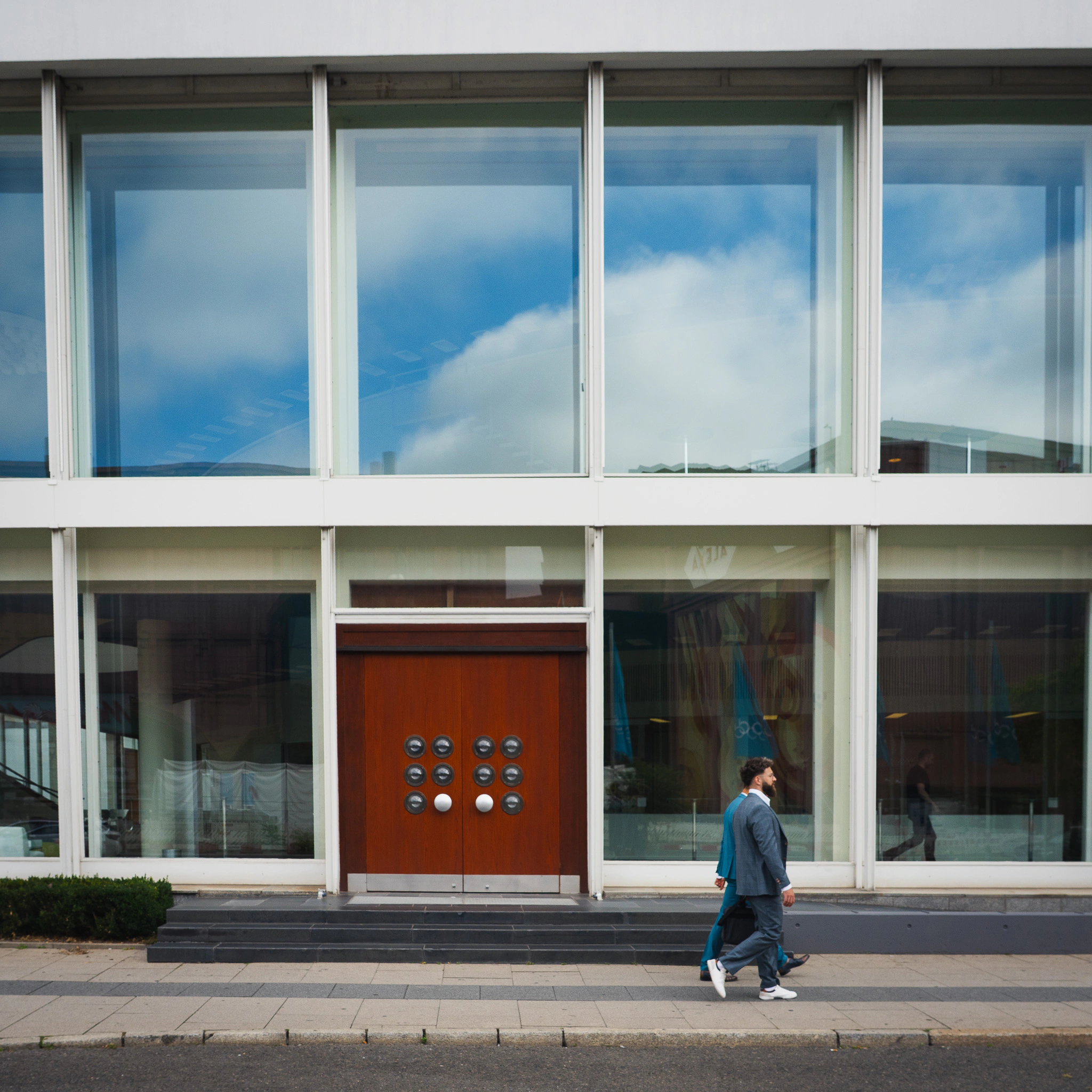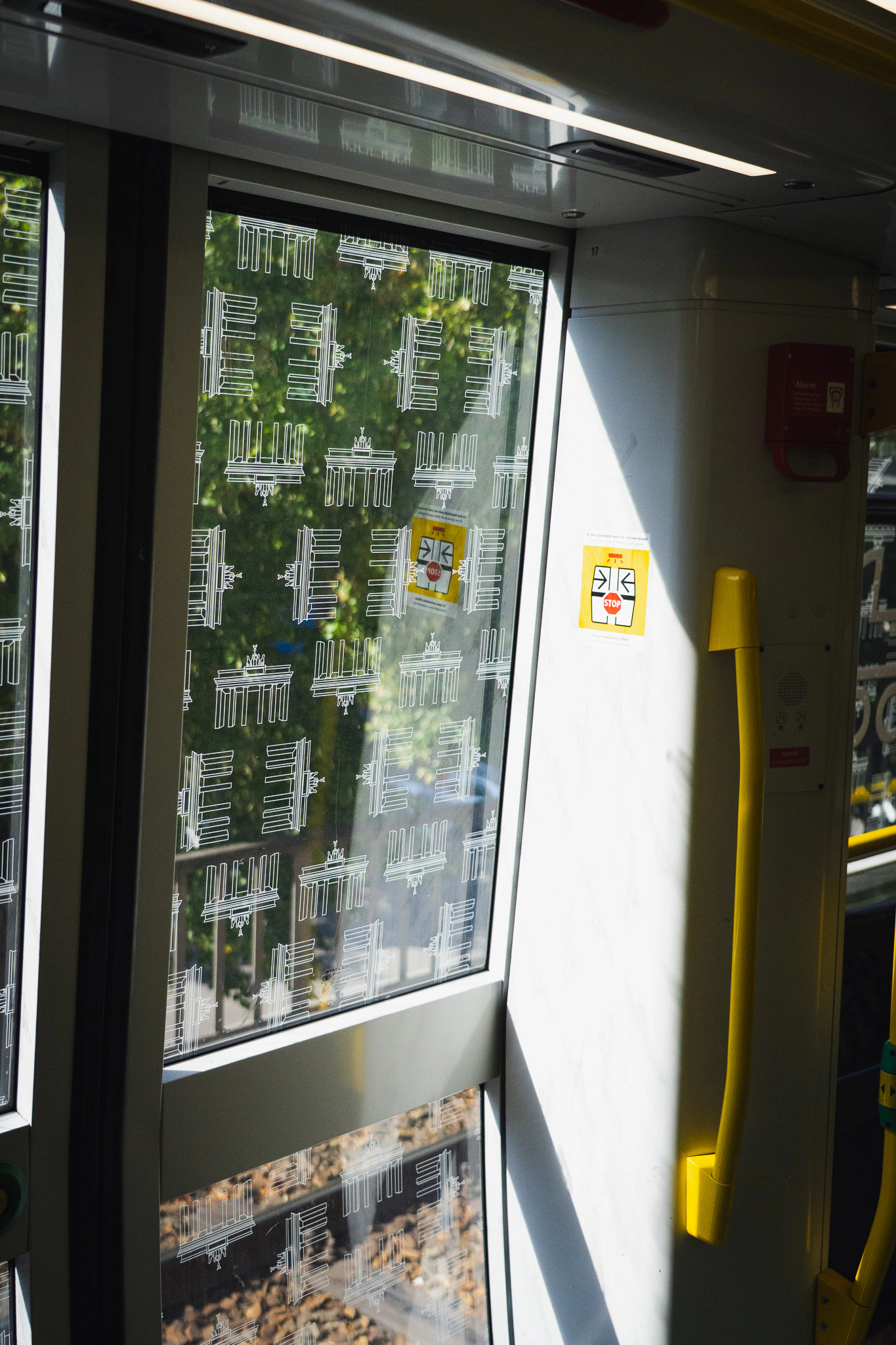
Three days in Berlin in late August. Not your average trip: the brutalist south-west, Kreuzberg's post-war housing machines, and the socialist modernism of the former East. The Brandenburg Gate shows up exactly once in these photos, etched a few hundred times into the door glass of the arriving train.
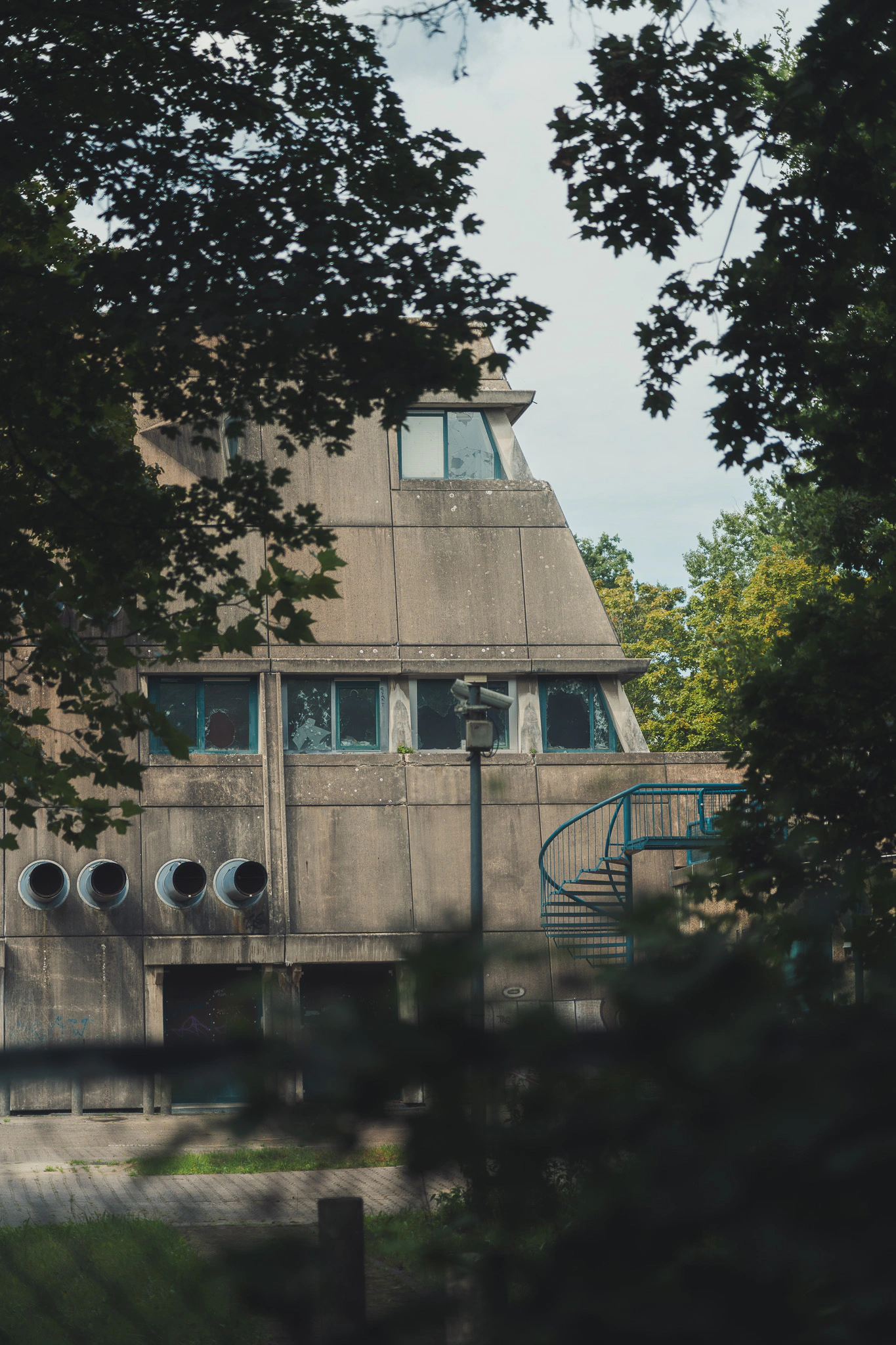
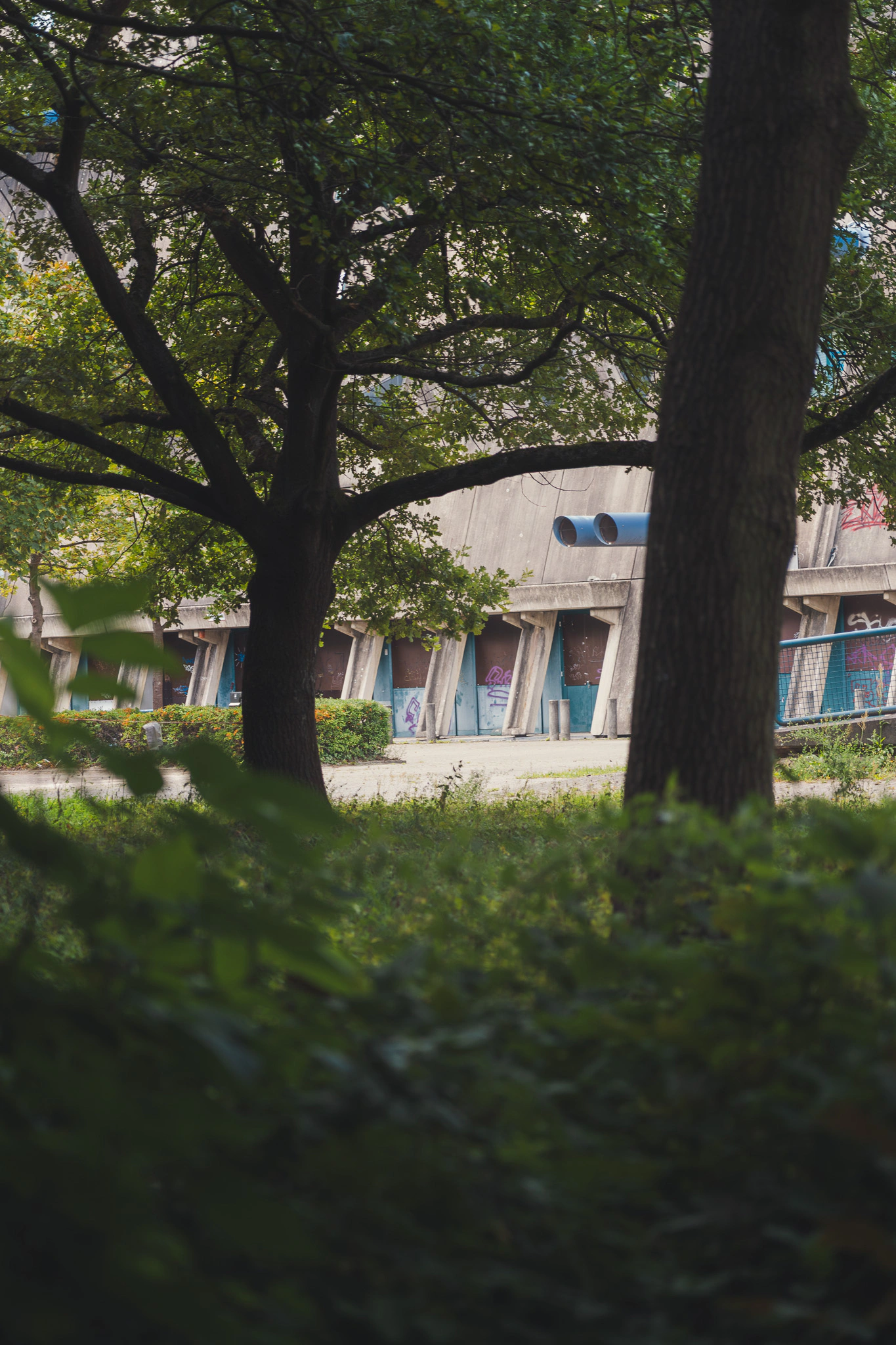
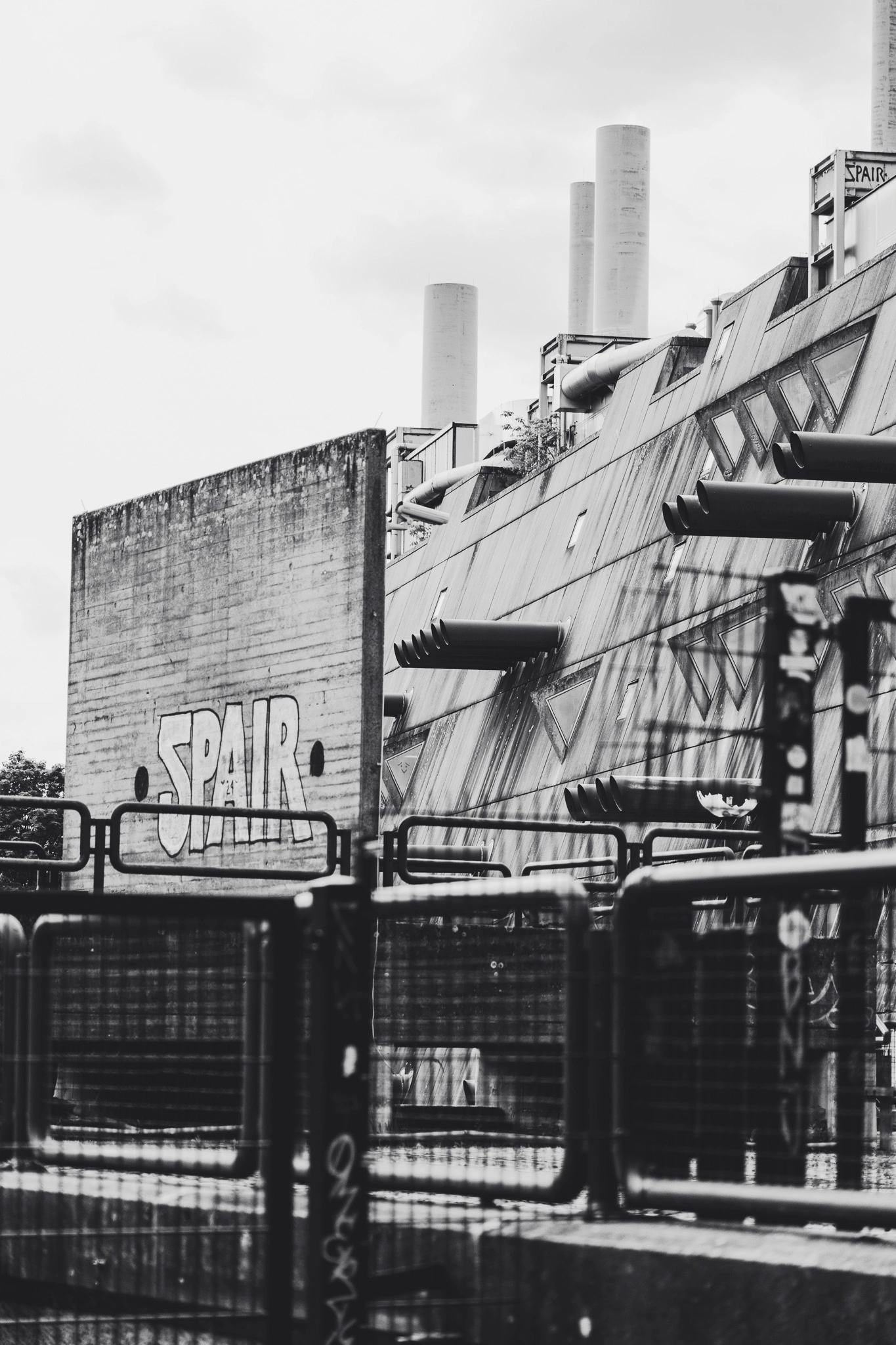
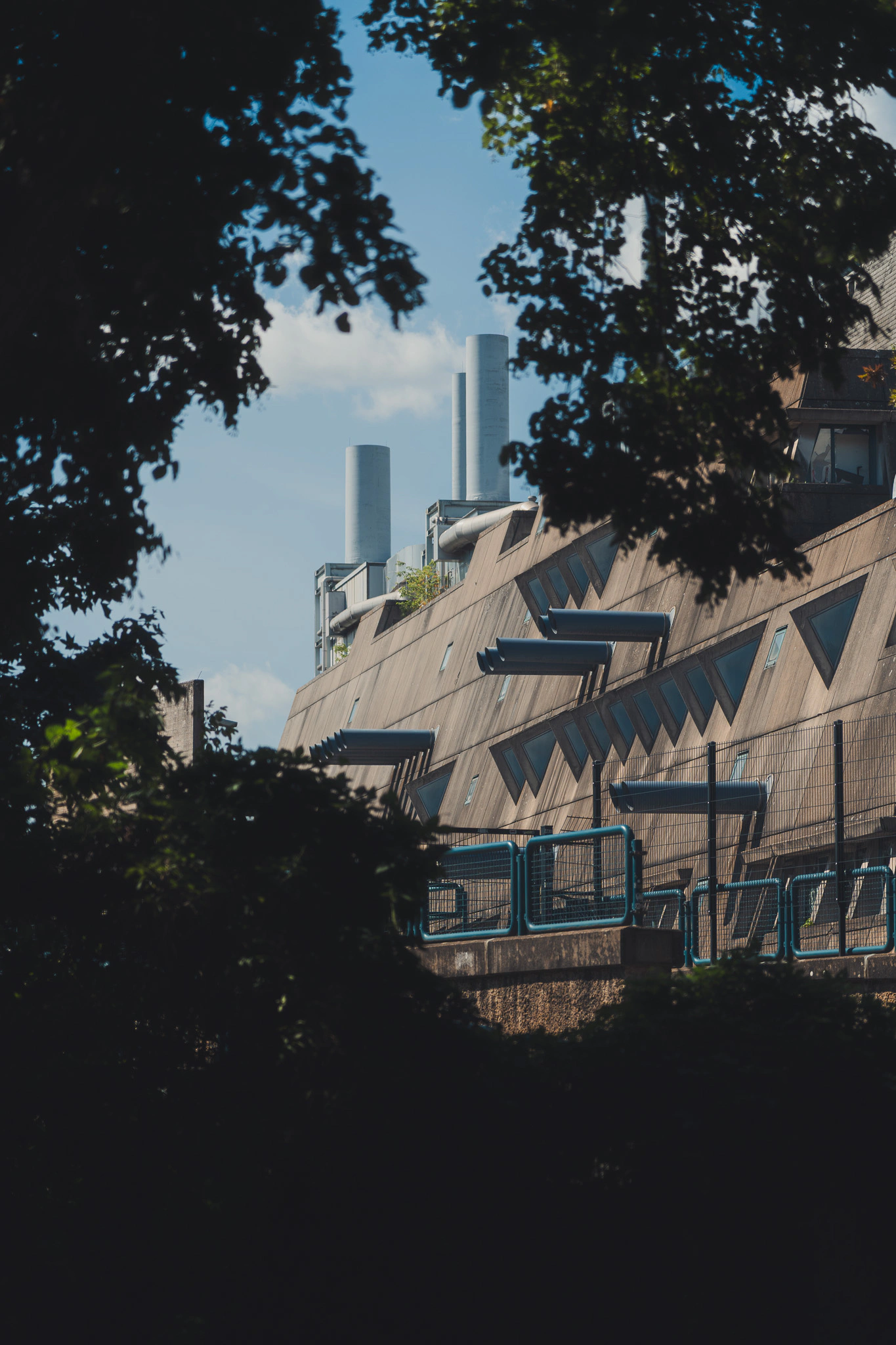
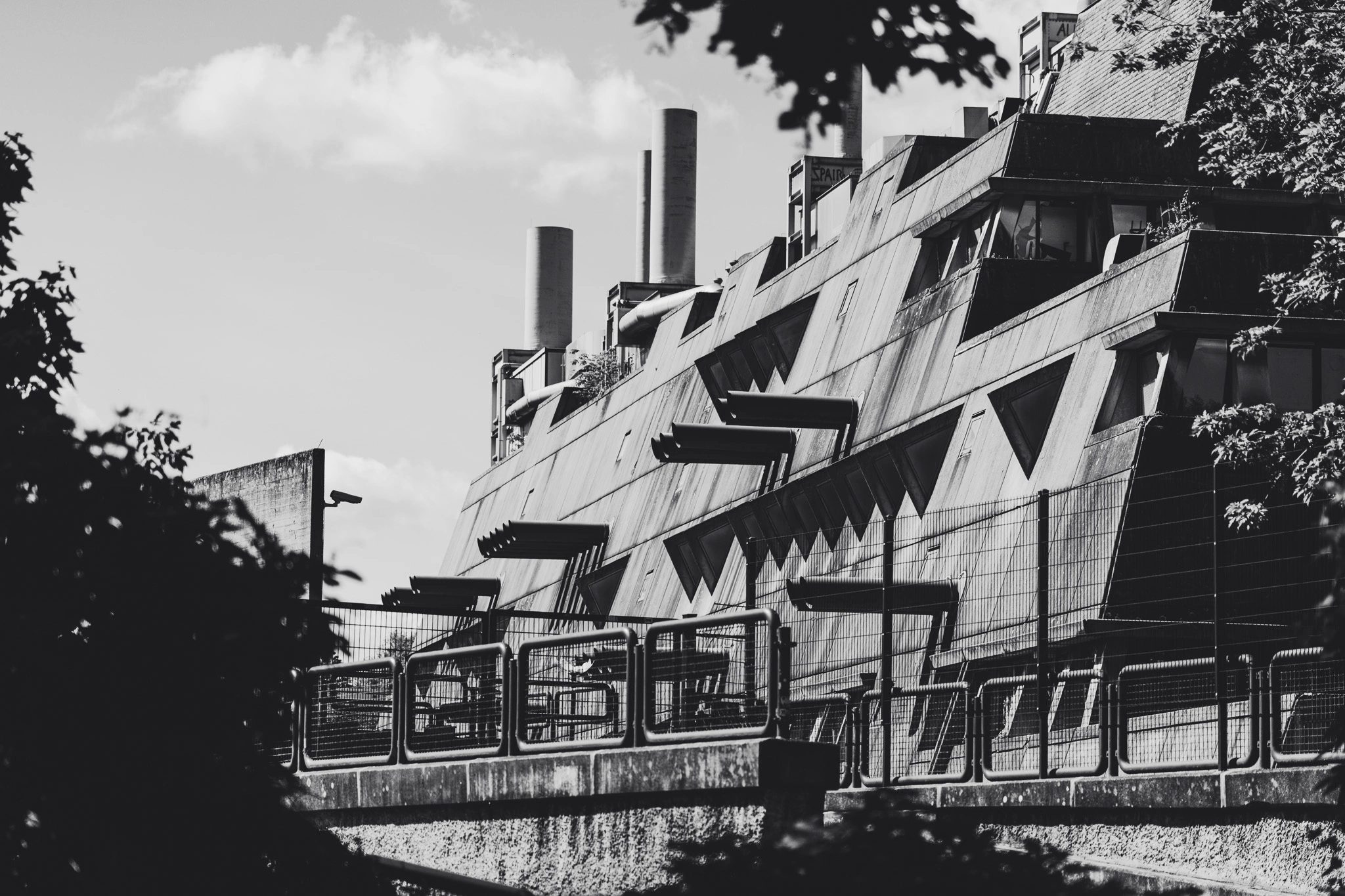
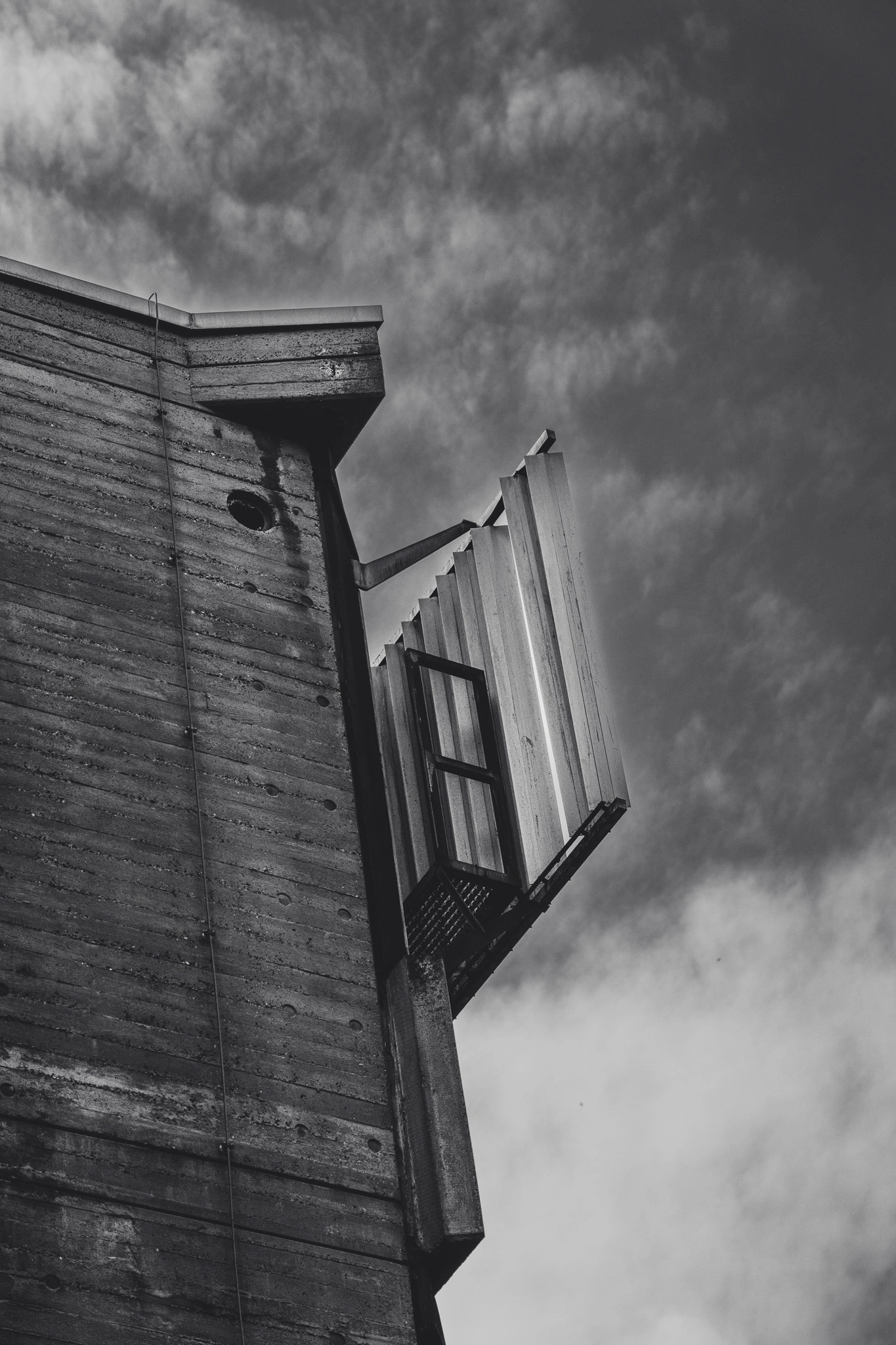
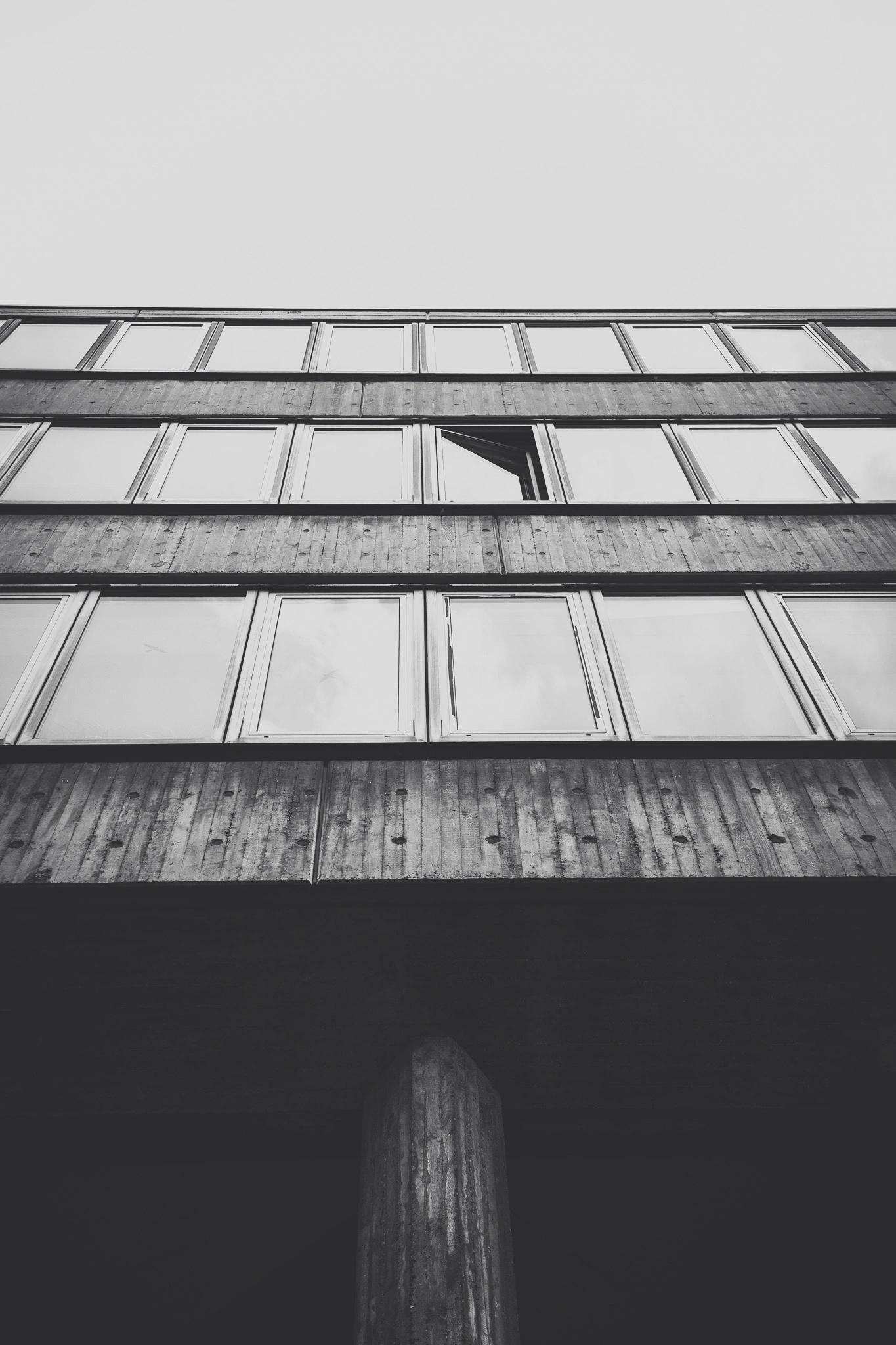
Mäusebunker. Built between 1971 and 1981 as the Central Animal Laboratories of the Freie Universität, it looks less like a laboratory than a beached warship. Decommissioned in 2020, it survived demolition plans after a campaign by architects and preservationists, and has been a listed monument since 2023. Today it sits behind fences, windows broken, camera on a pole, slowly being reclaimed by the trees around it. Don't jump the fence kids, security is supposedly tight... I was told...
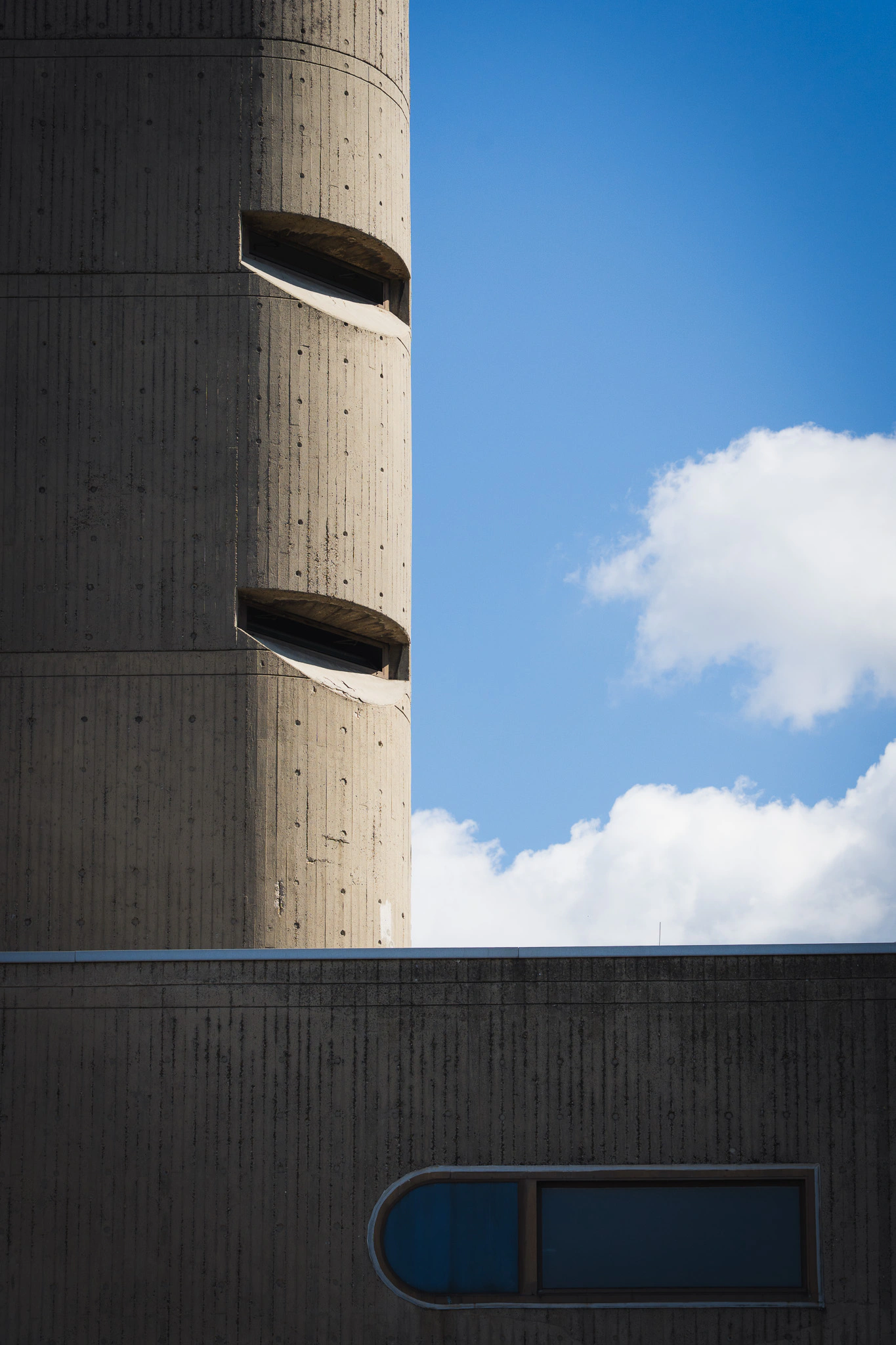
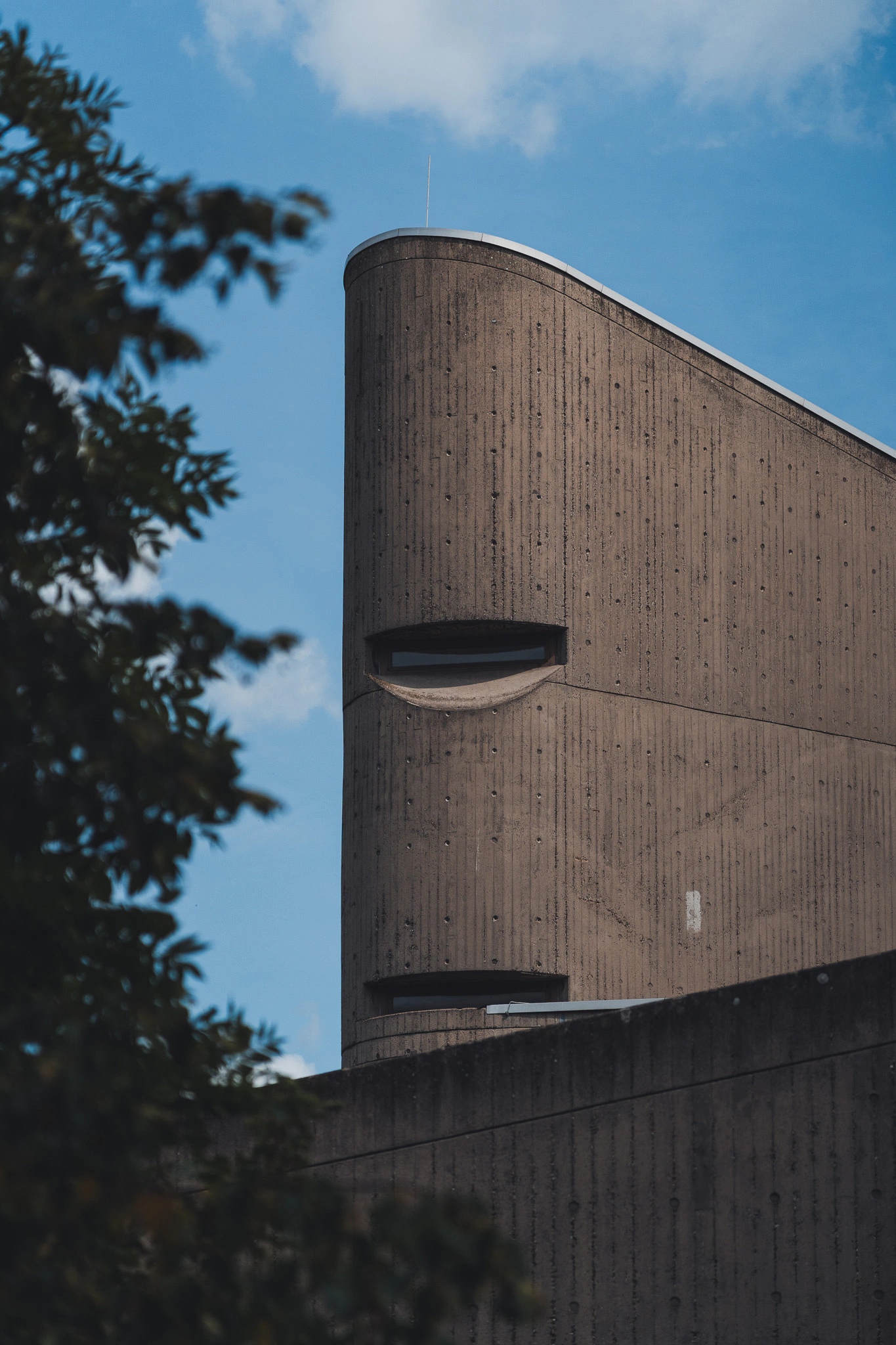
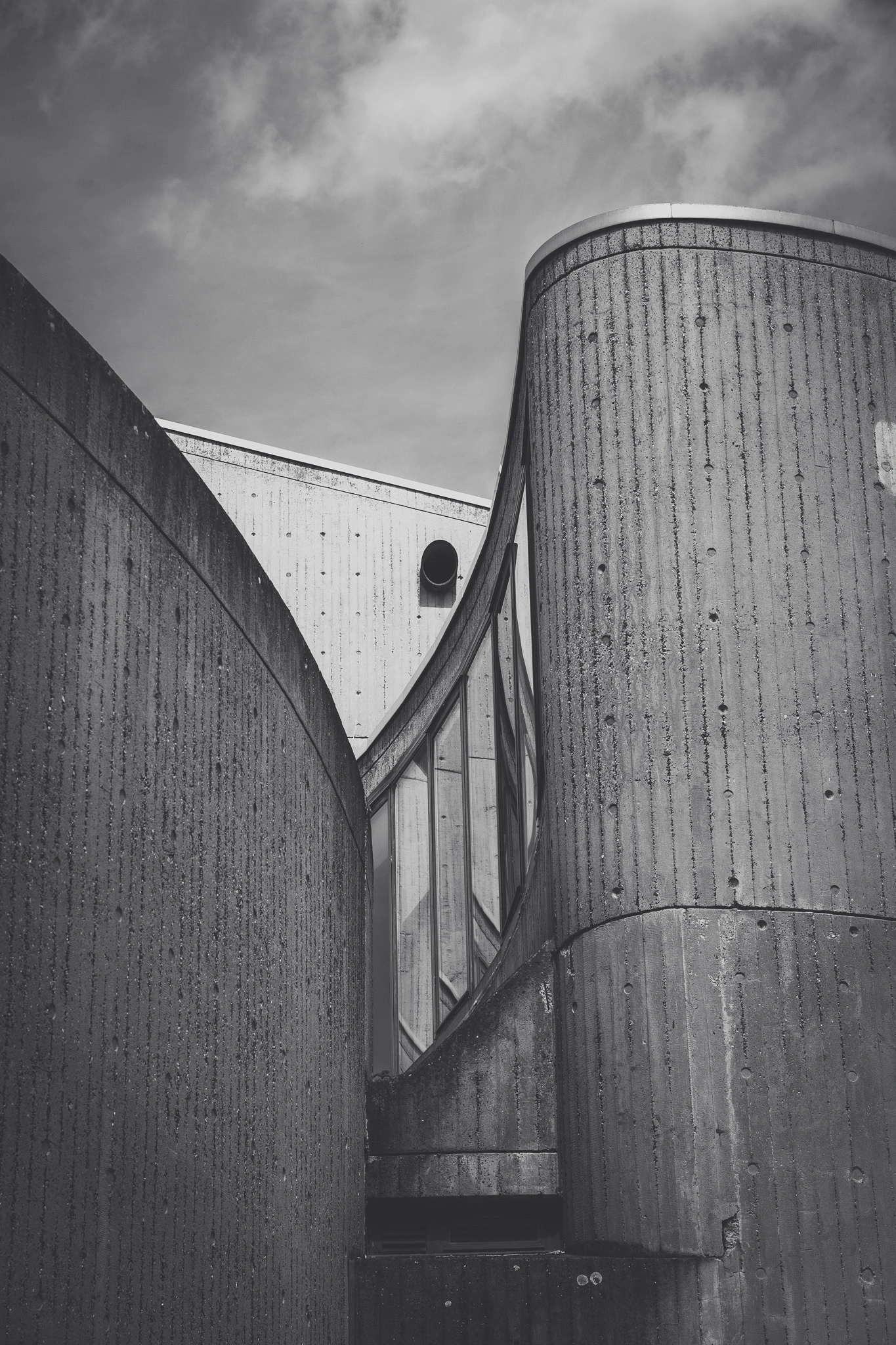
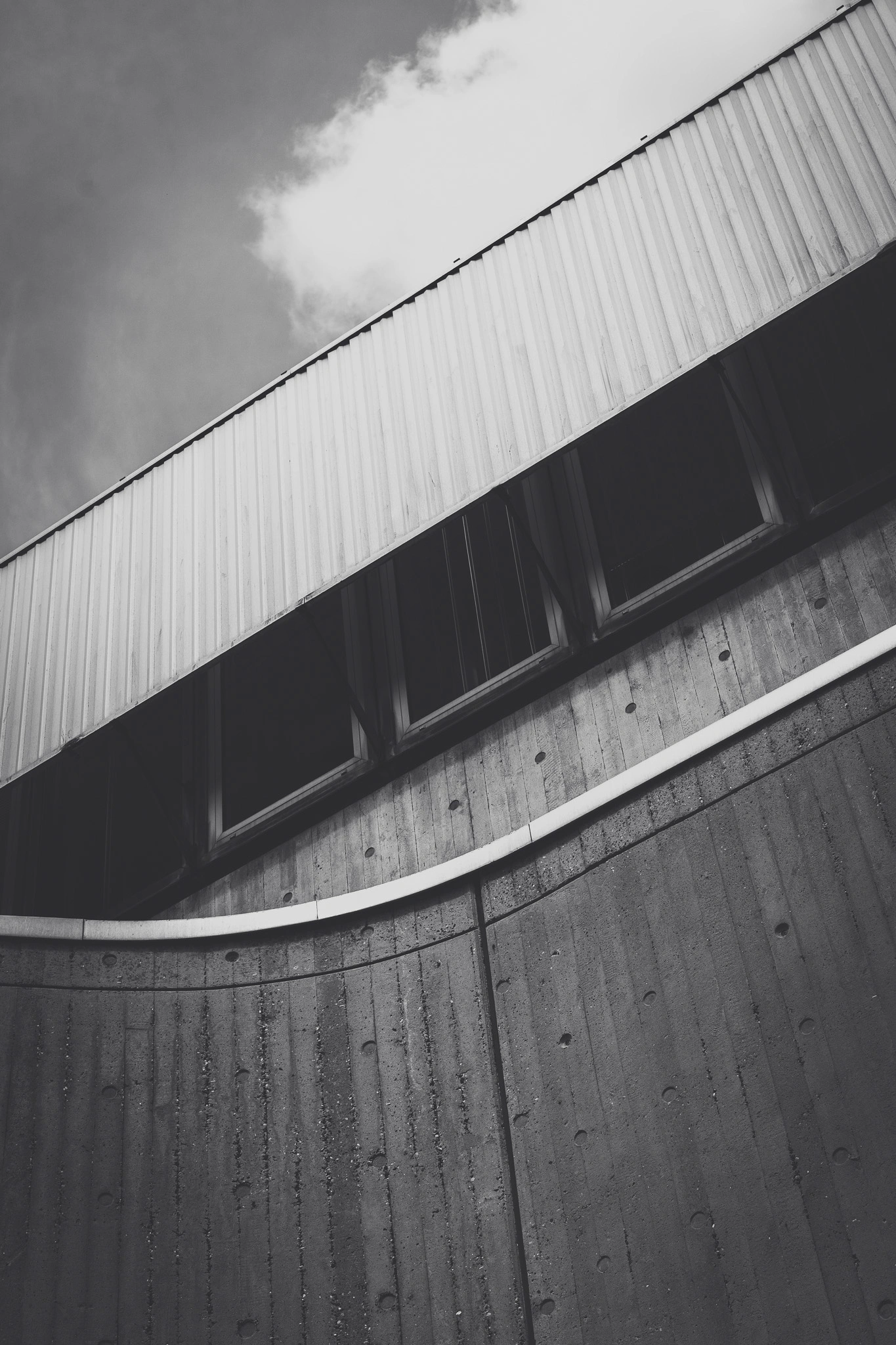
Across the street stands its quieter sibling, the former Institute of Hygiene and Microbiology by Hermann Fehling and Daniel Gogel. Its softer, curvier concrete, with window hoods that droop like eyelids. Here the security is actually nice, as long as you don't sneak into the building.
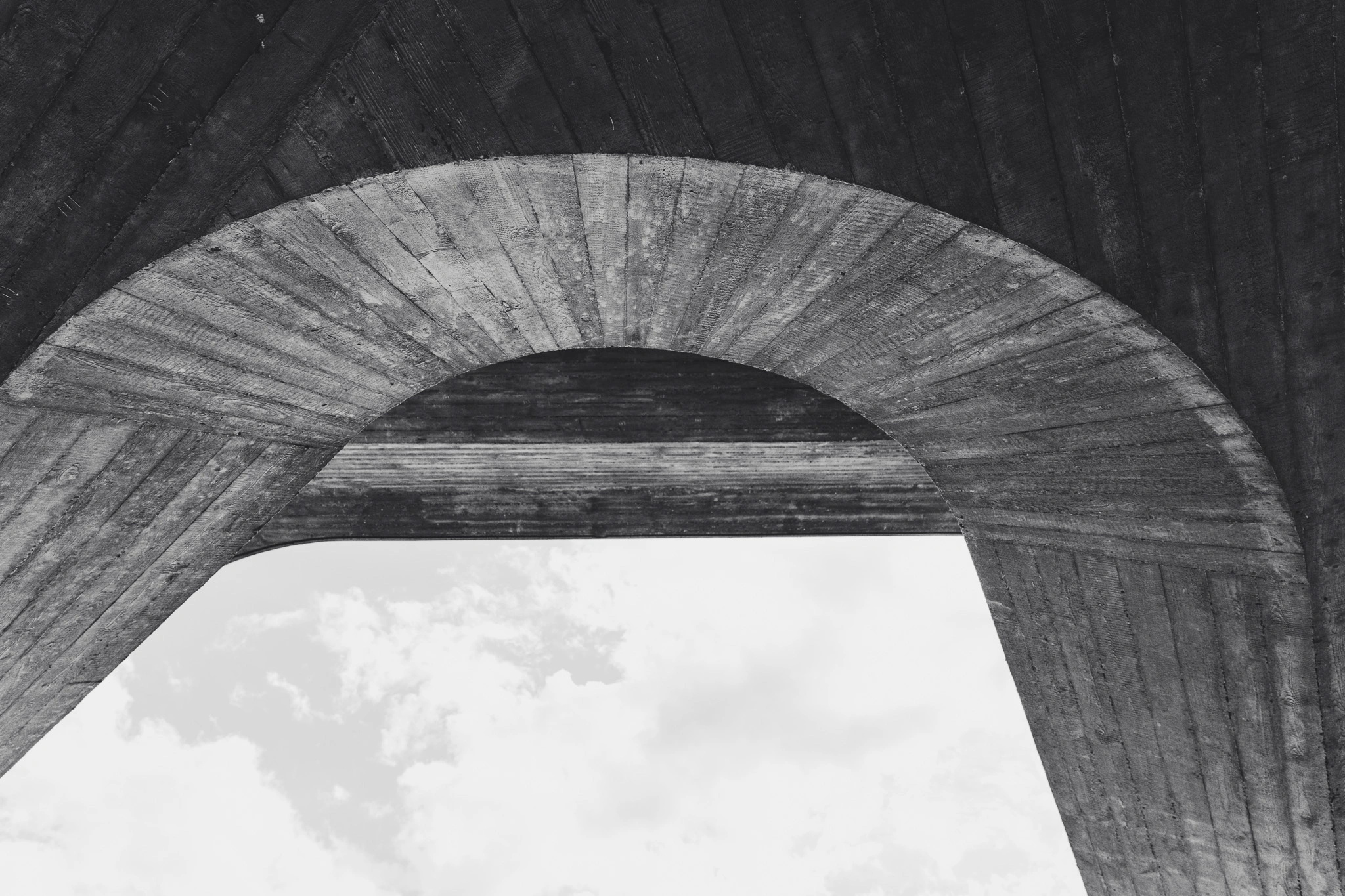
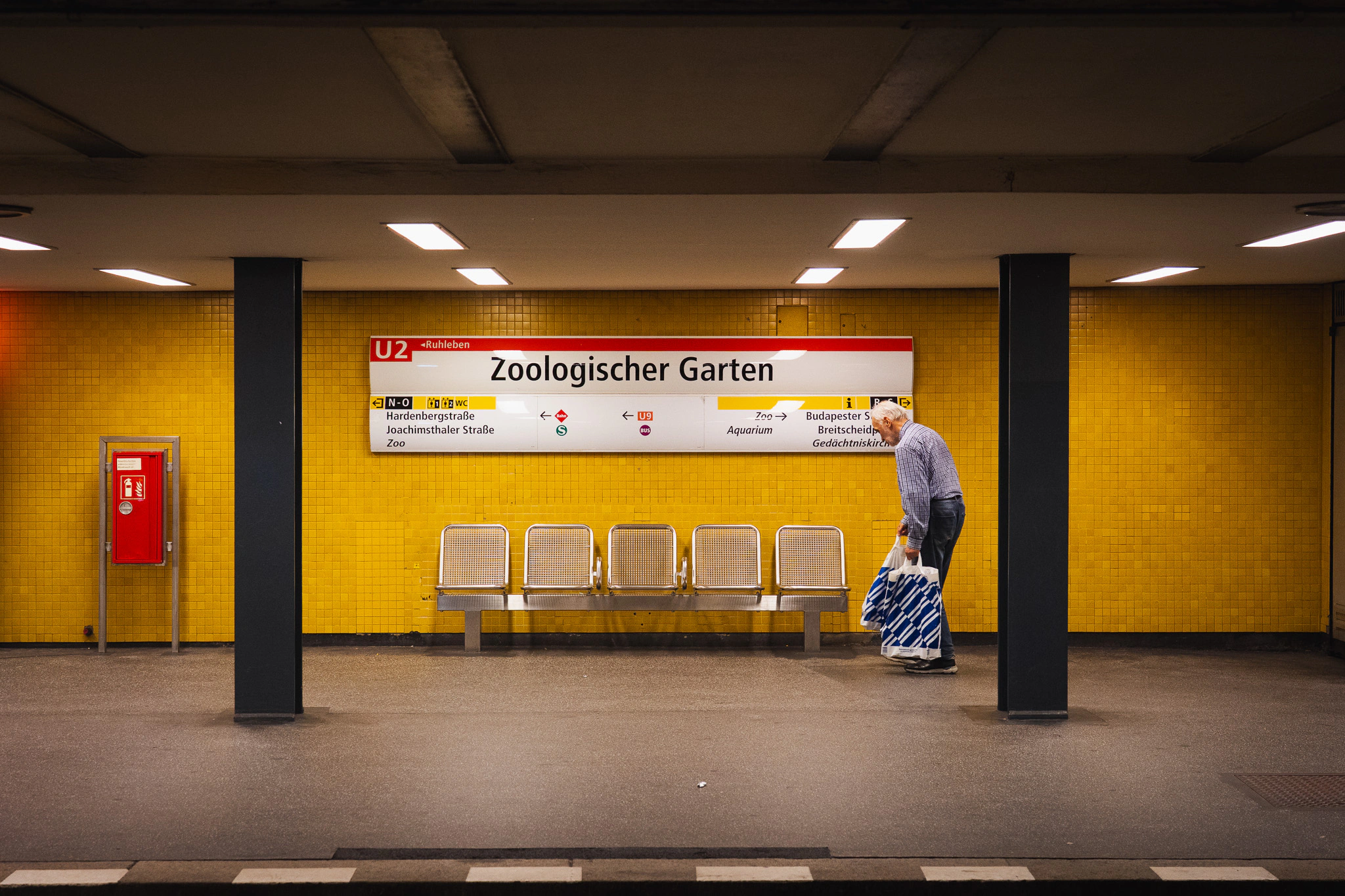
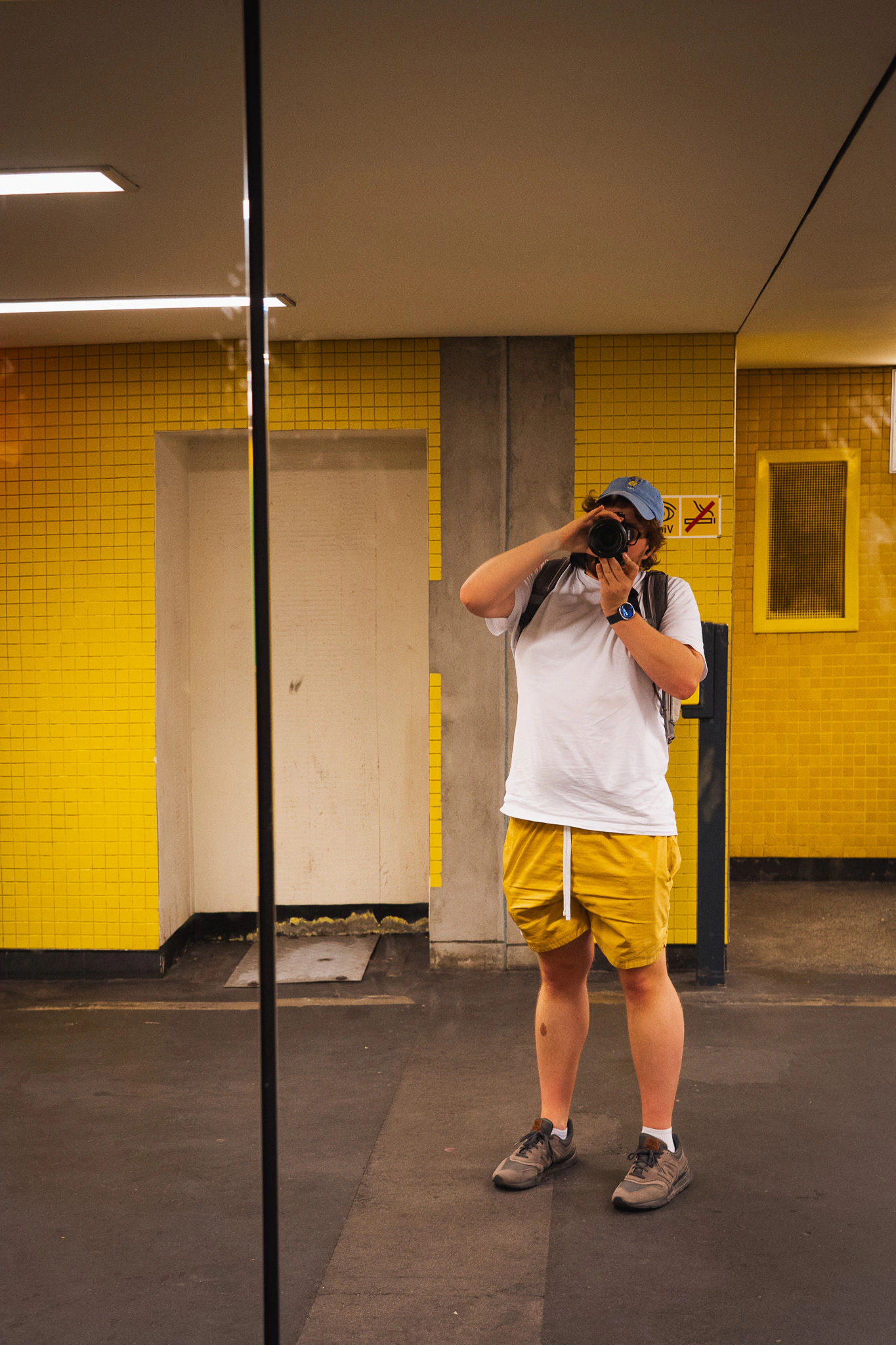
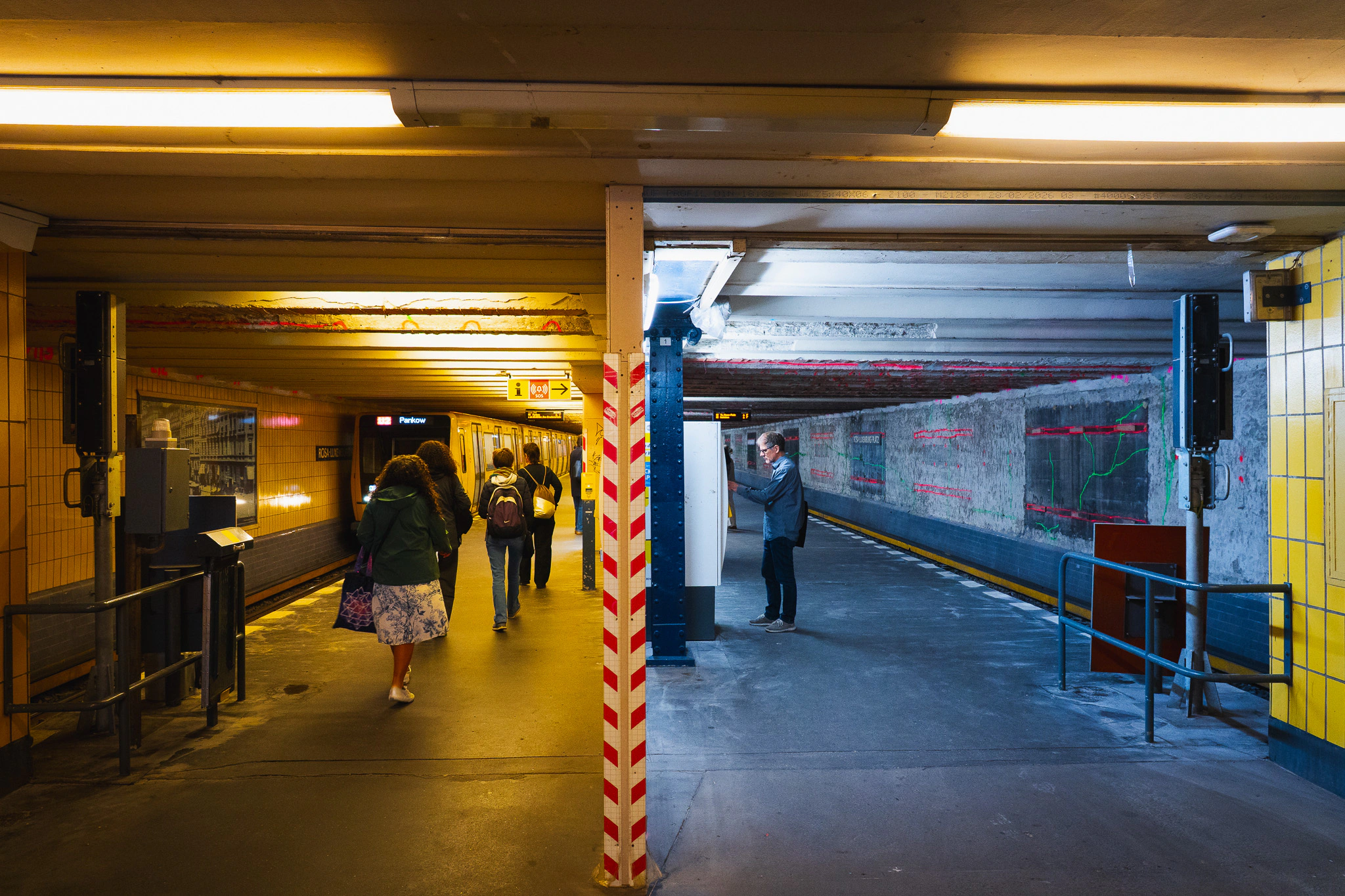
Back in the west of the city, U-Bahnhof Zoologischer Garten: yellow tiles, aluminum benches, and a platform mirror that made the self-portrait unavoidable. Below Rosa-Luxemburg-Platz... ofc under construction giving a beatufiul two colored vibe.
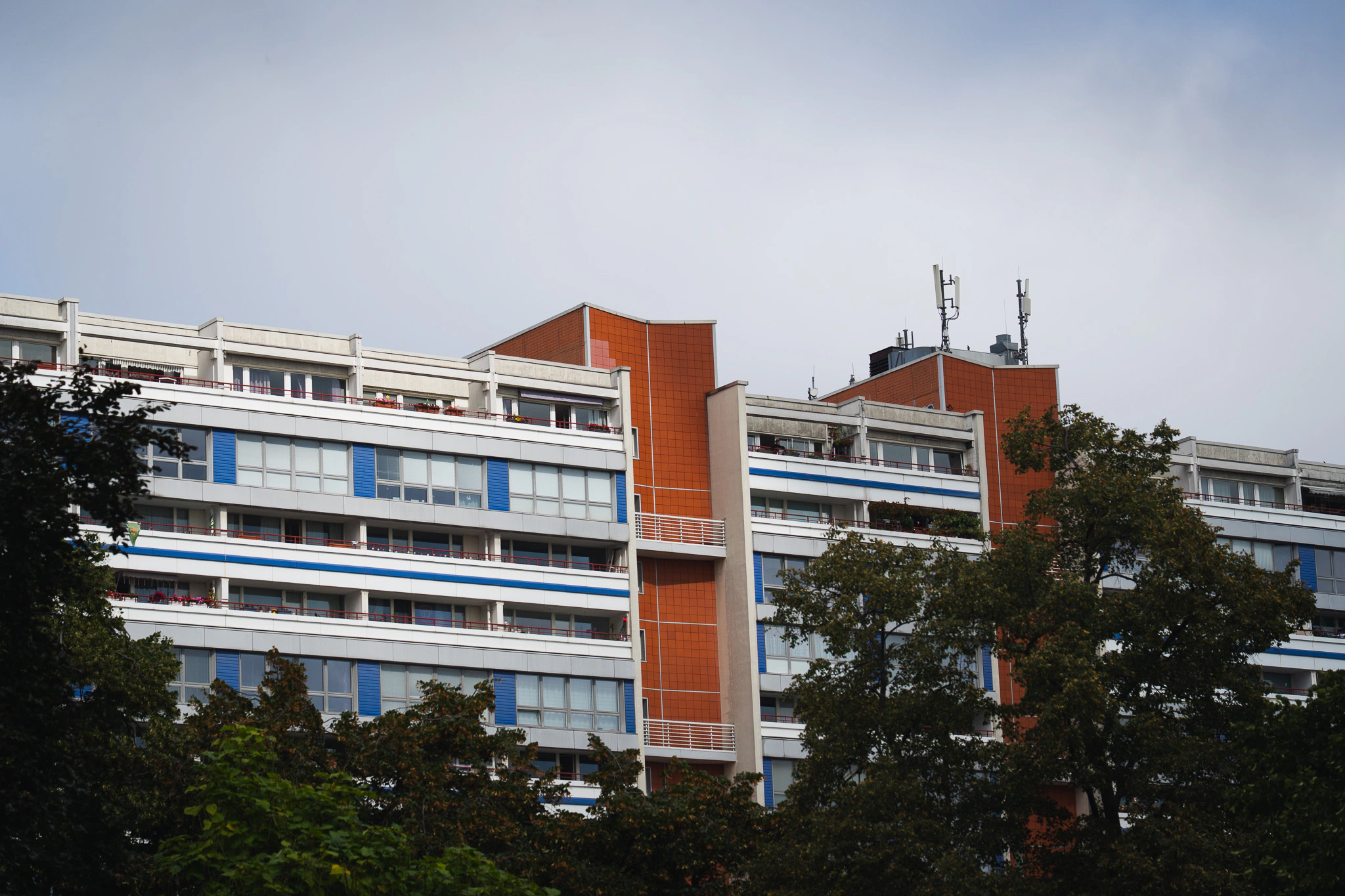
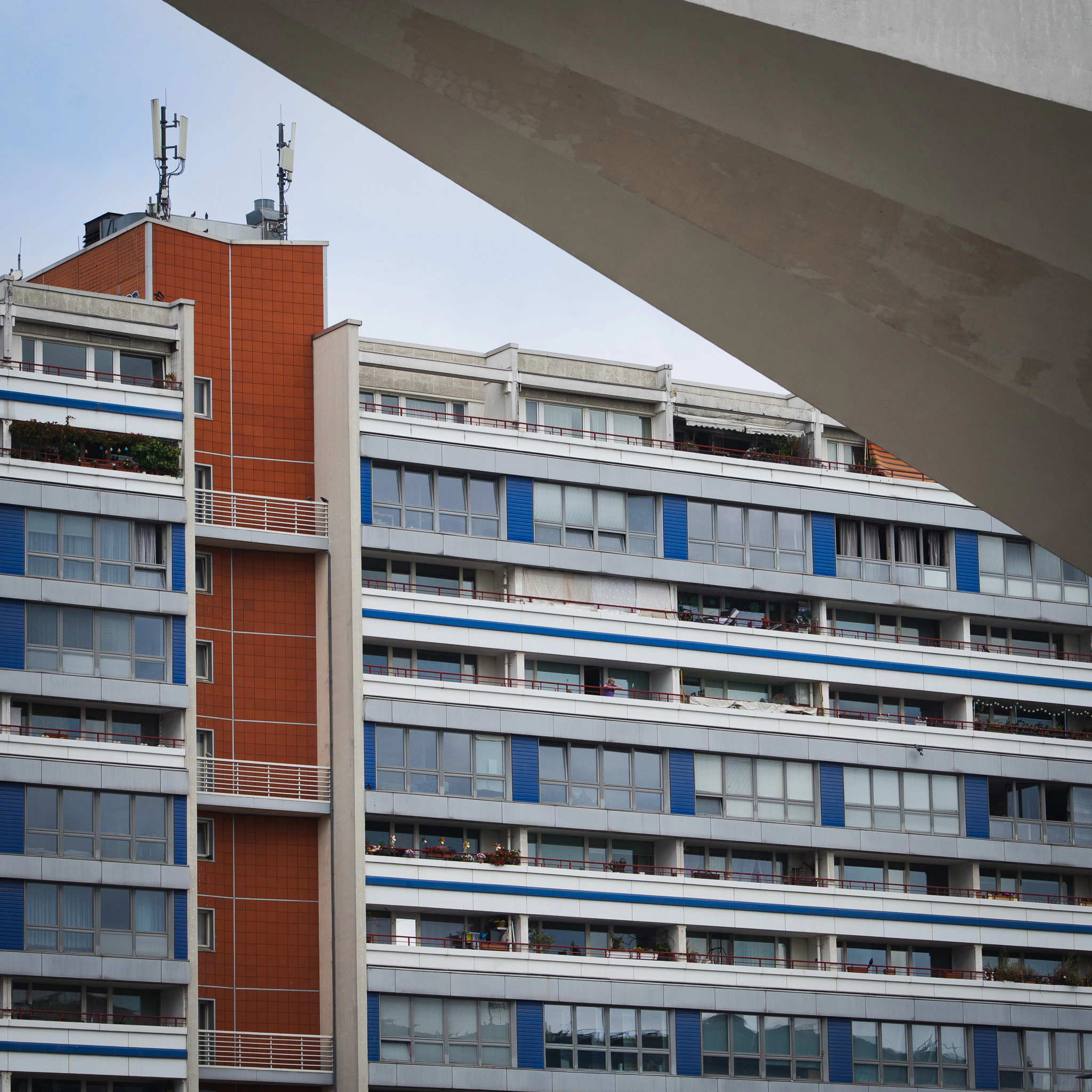
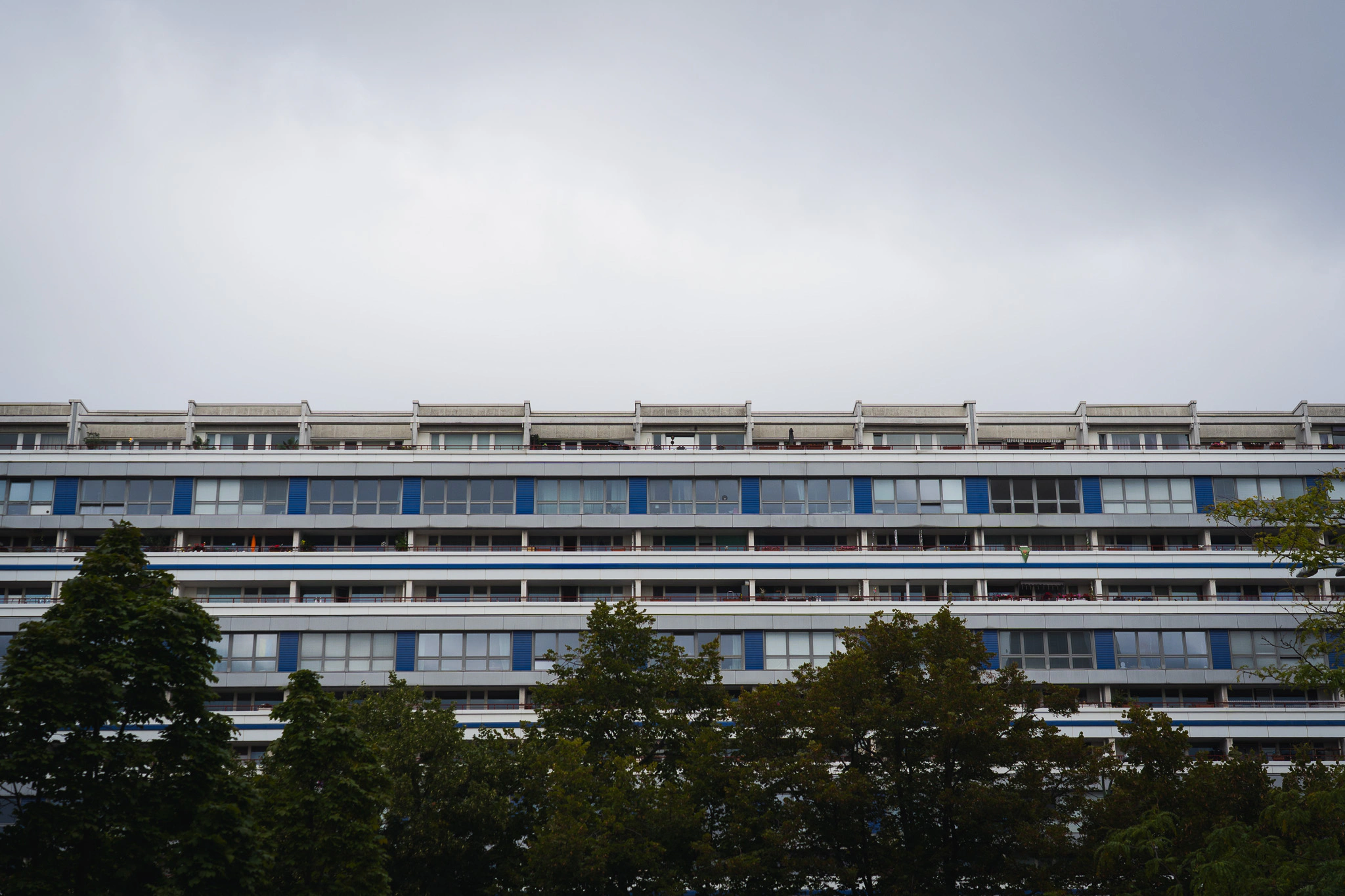
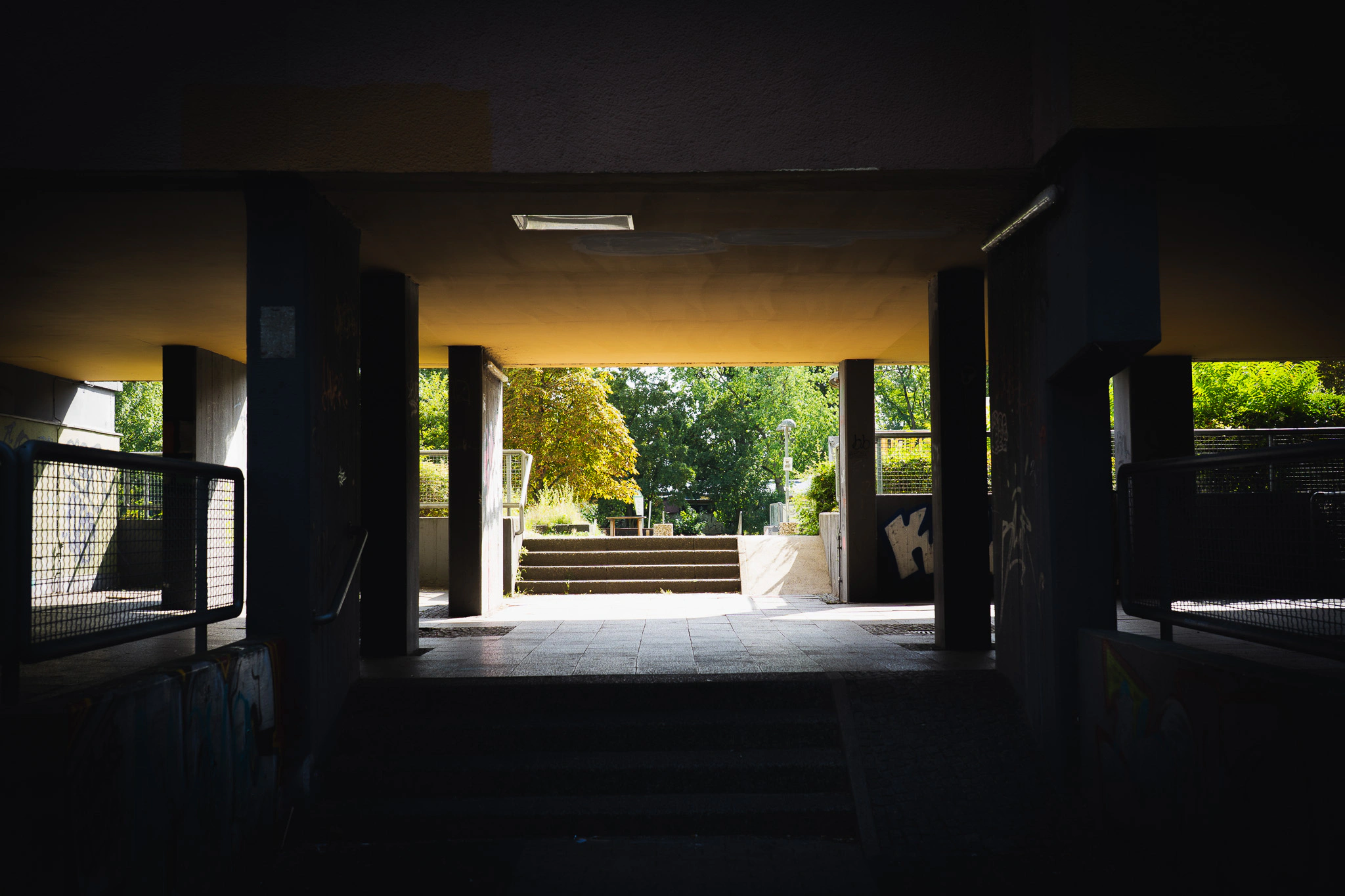
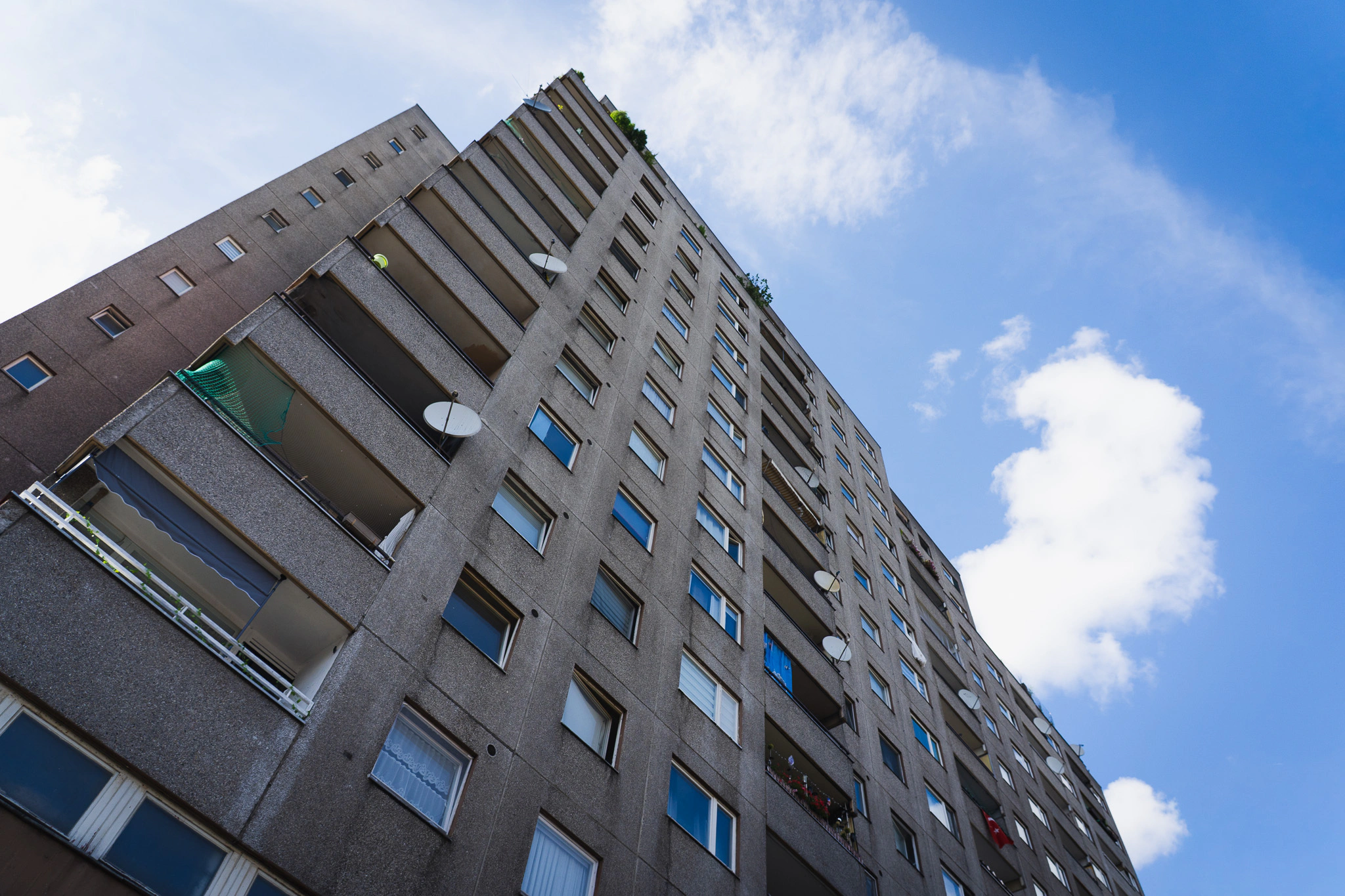
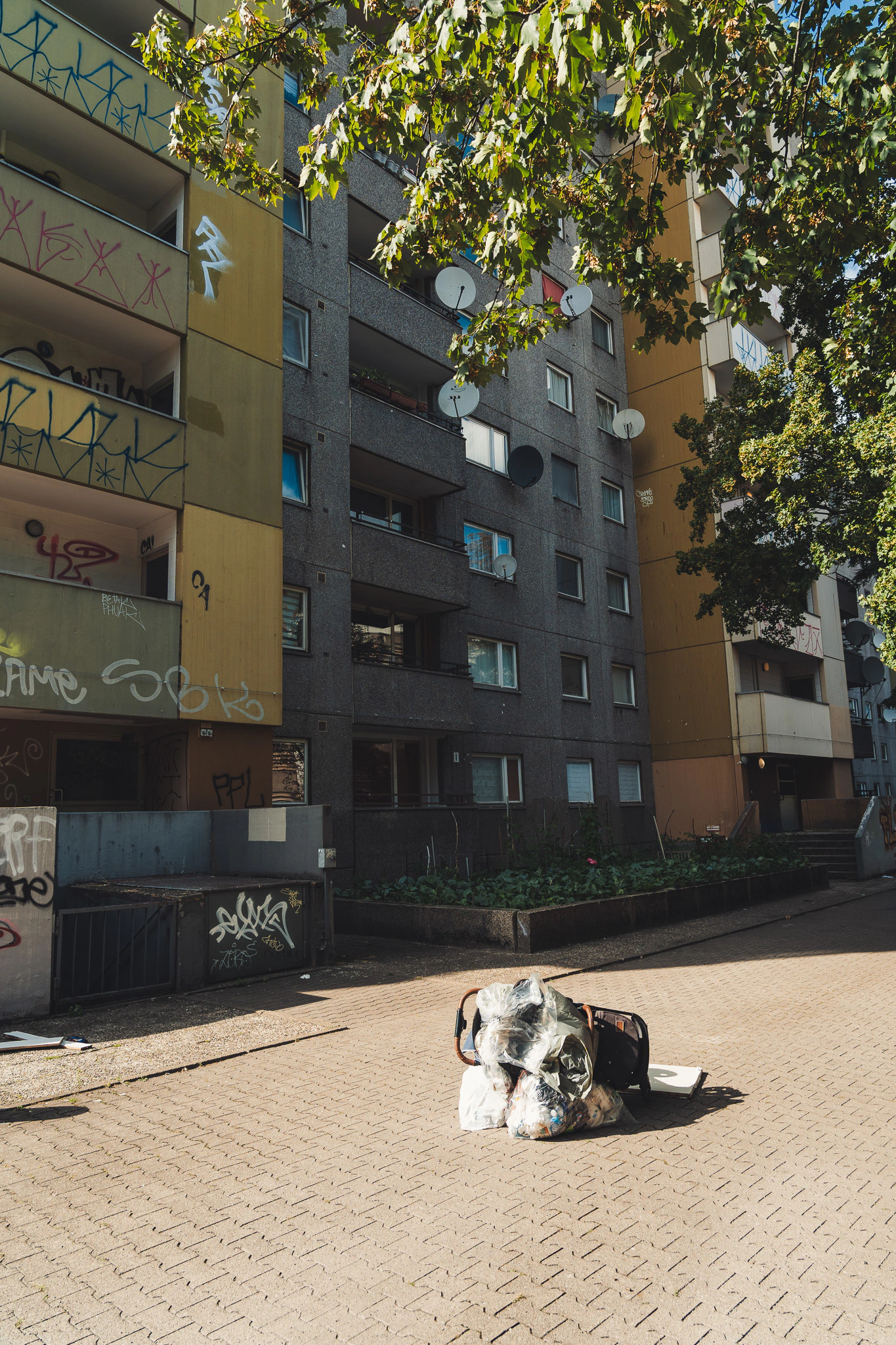
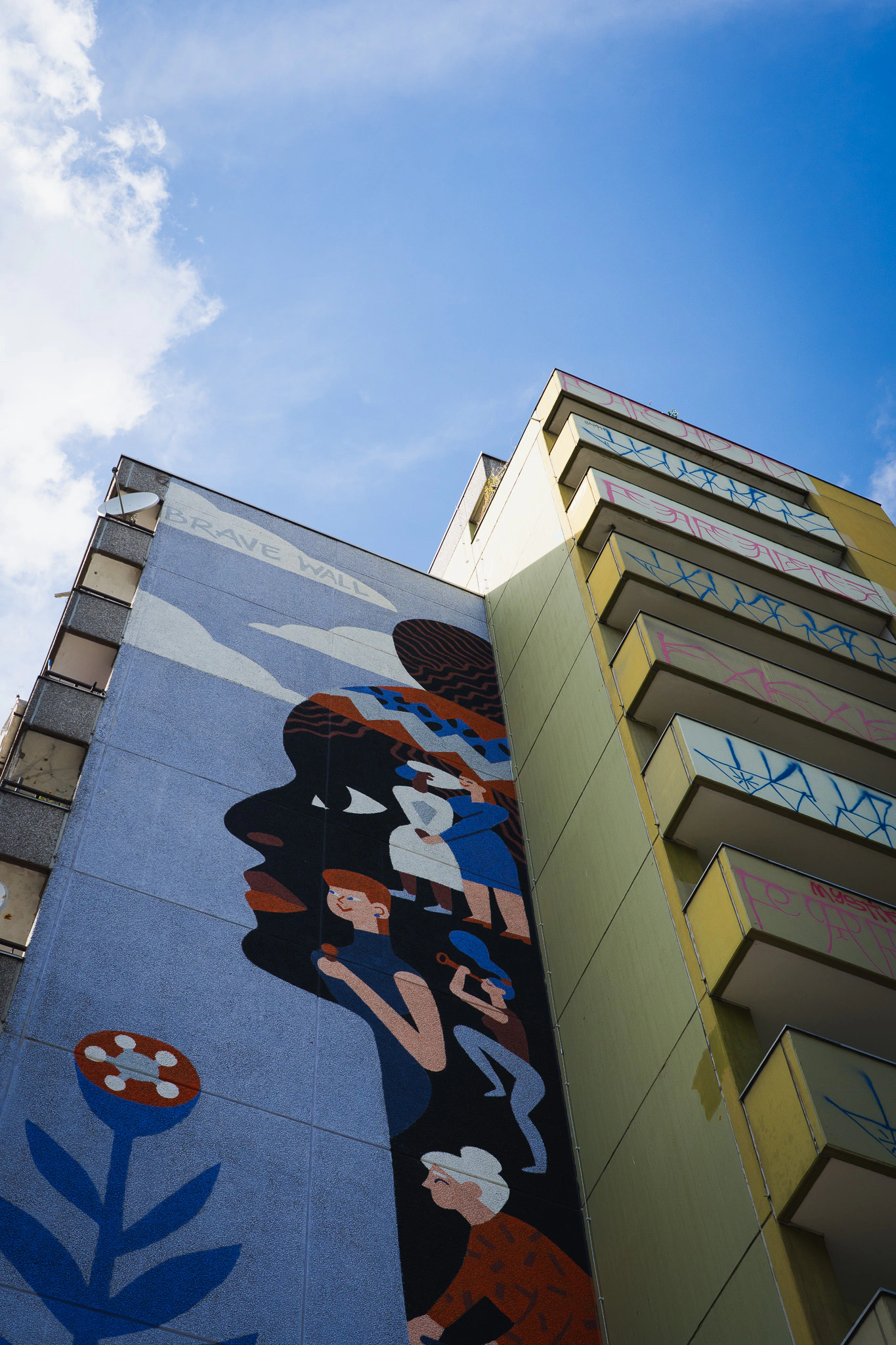
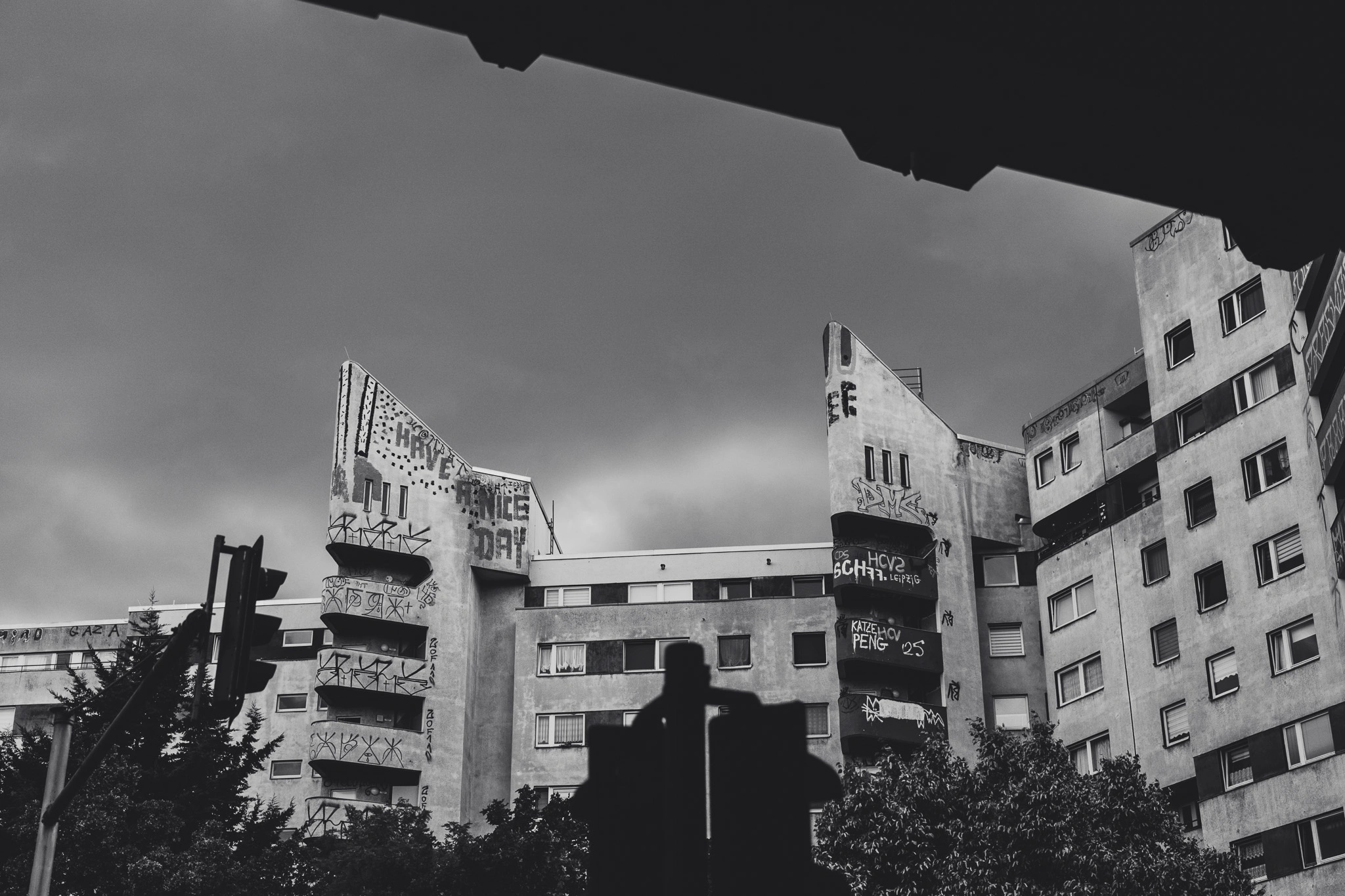
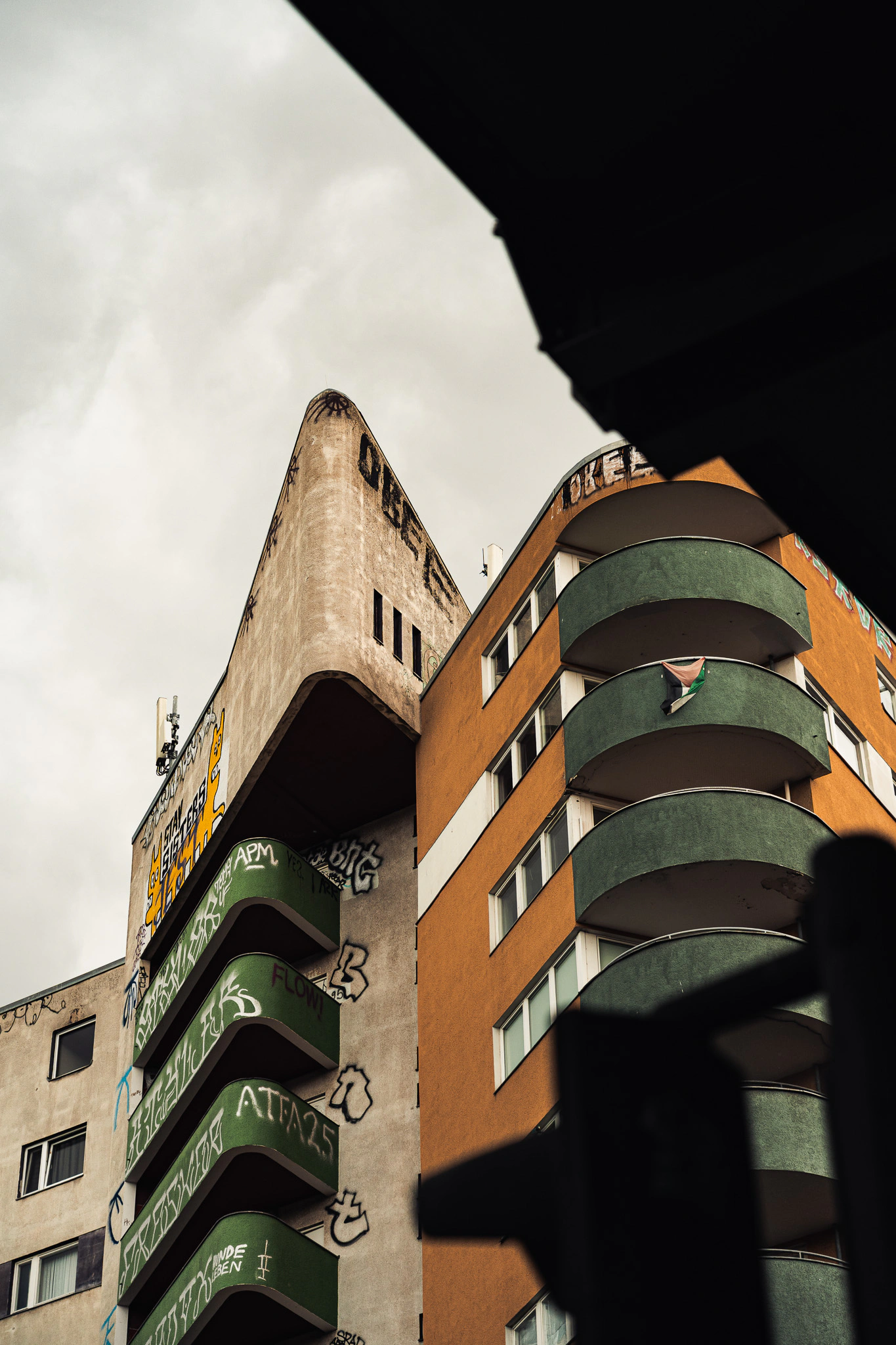
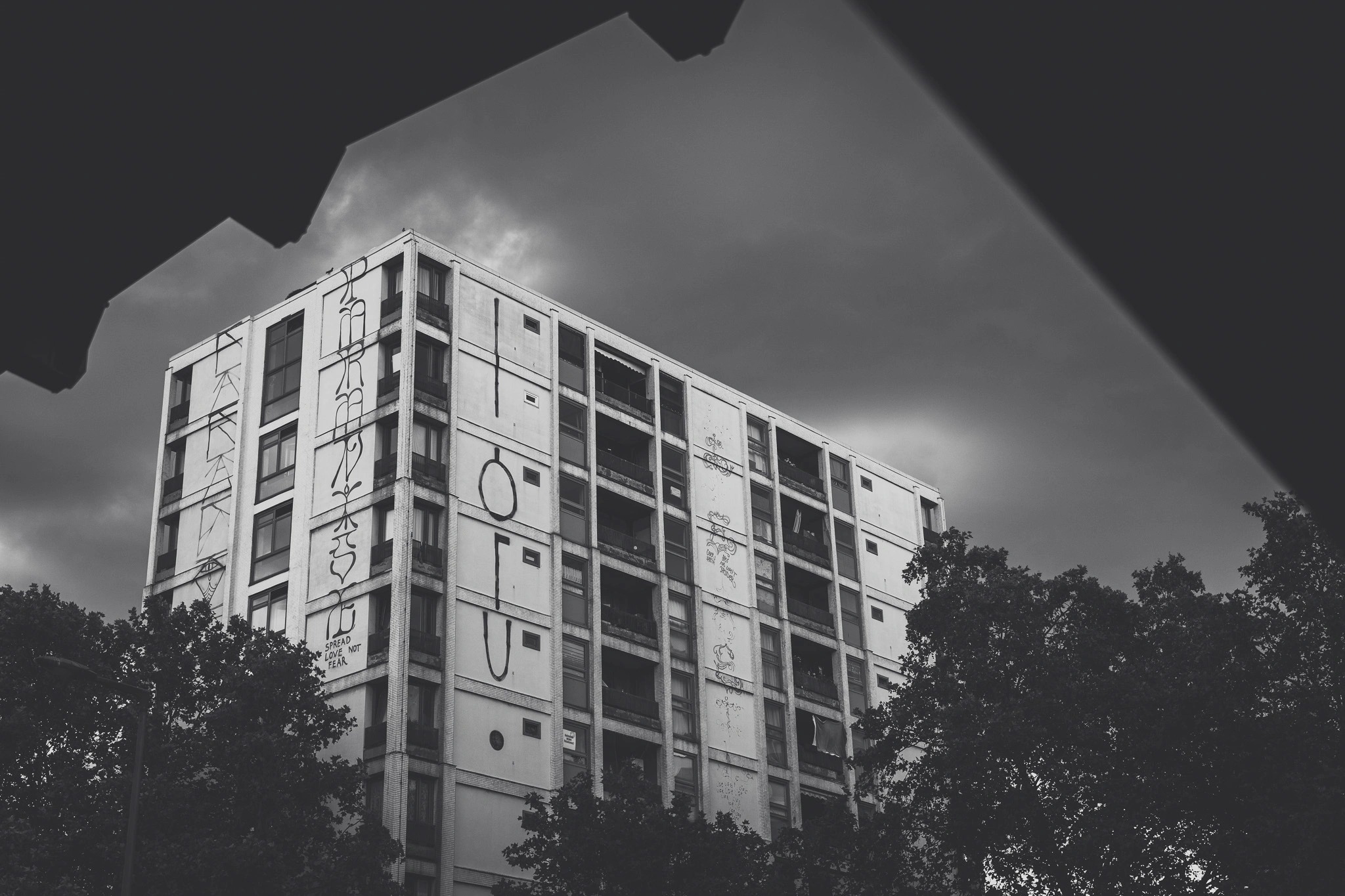
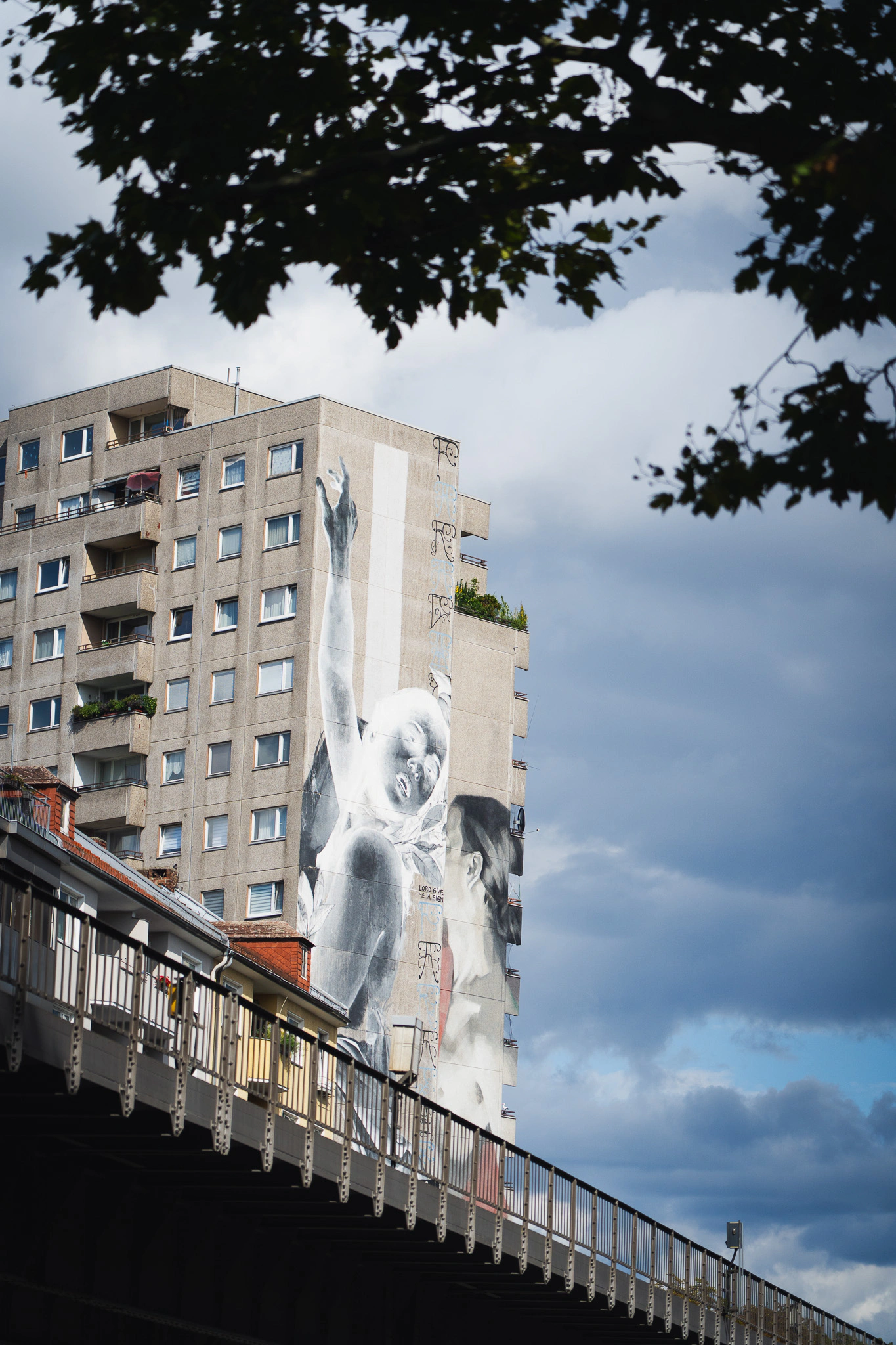
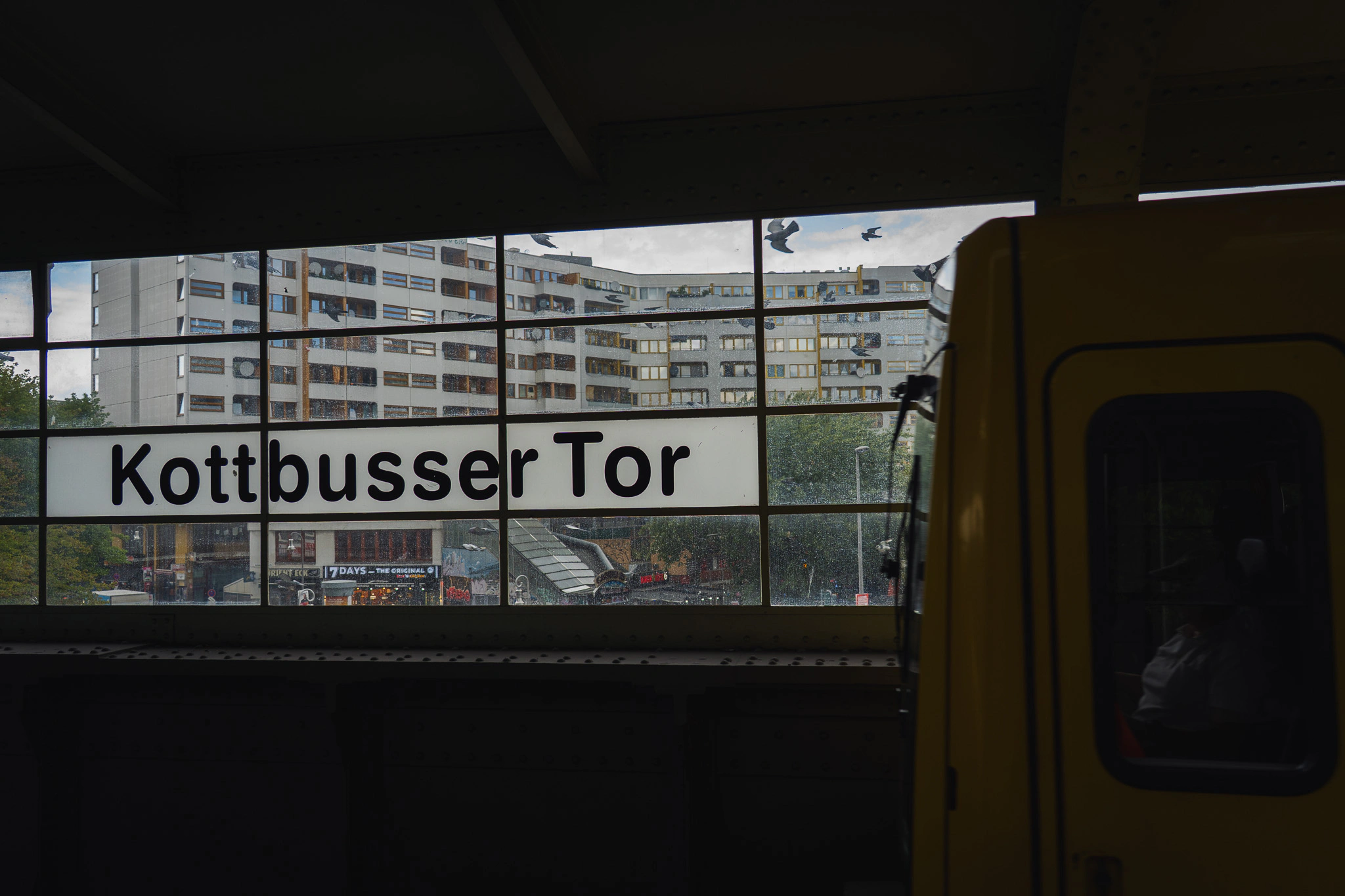
Kottbusser Tor is Berlin compressed into one intersection: the elevated U1 circling the square on its steel viaduct, and above it the Neues Kreuzberger Zentrum from 1974: a kilometer of social housing bent around the traffic, covered in graffiti and satellite dishes.
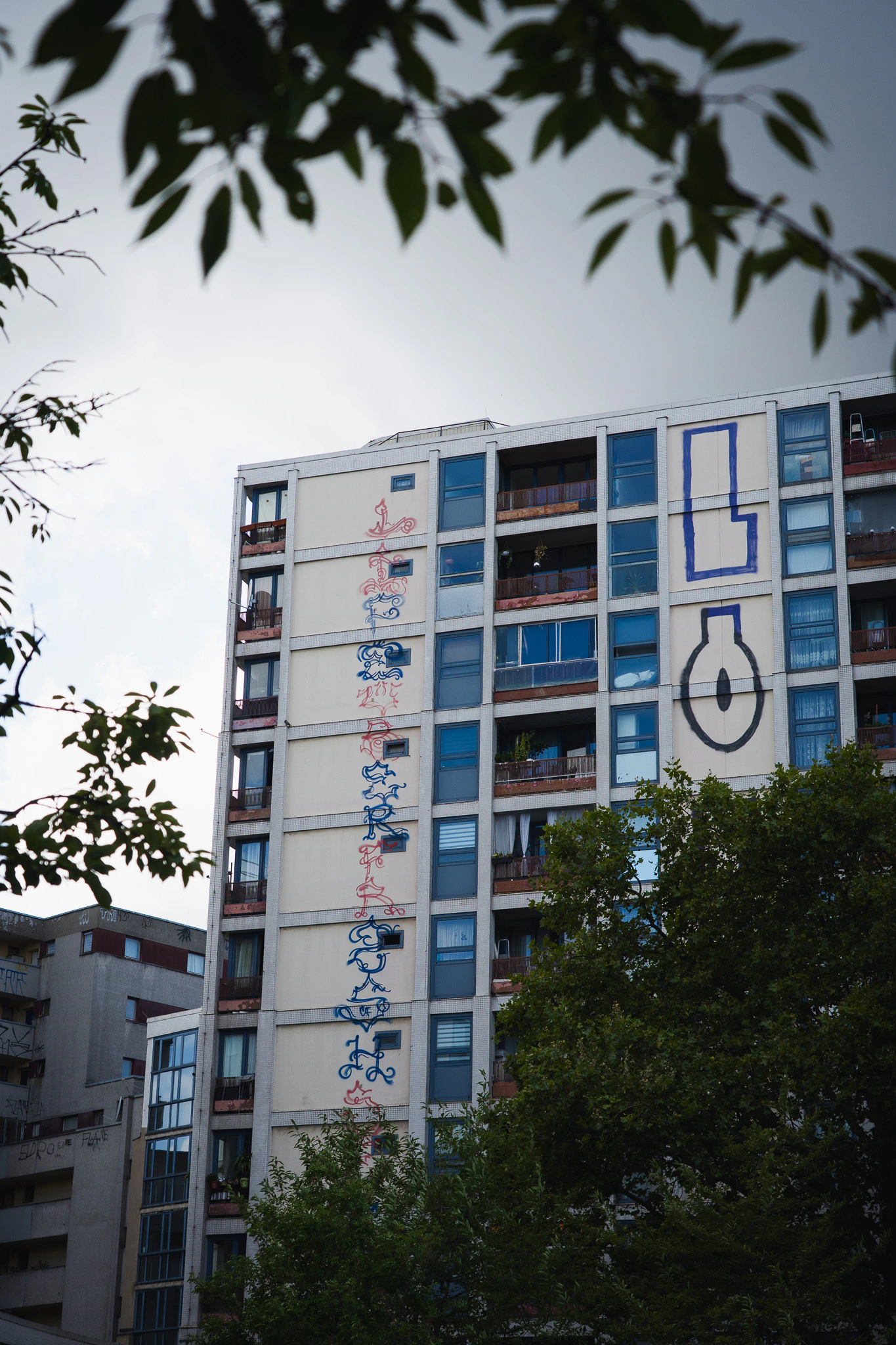
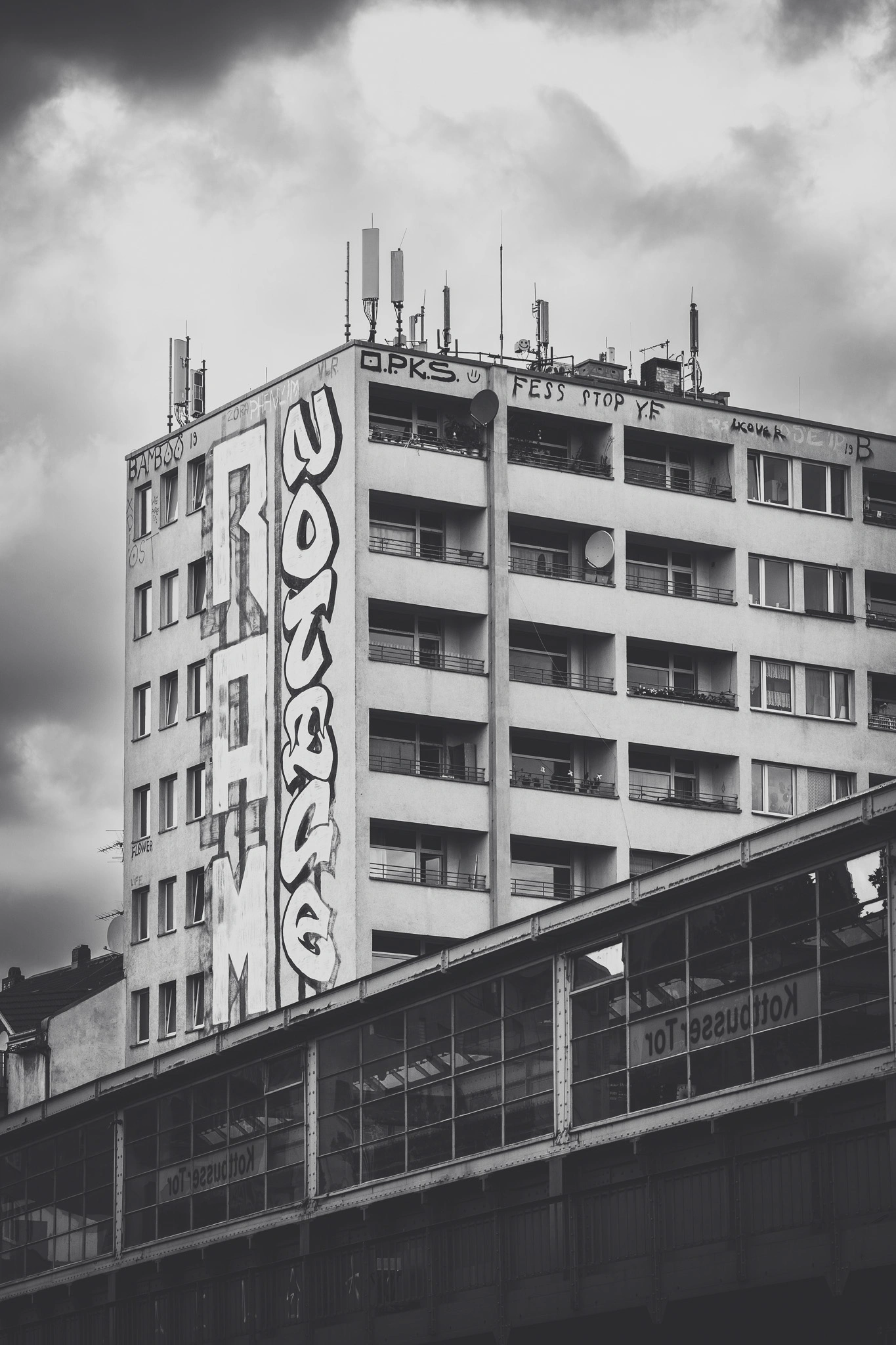
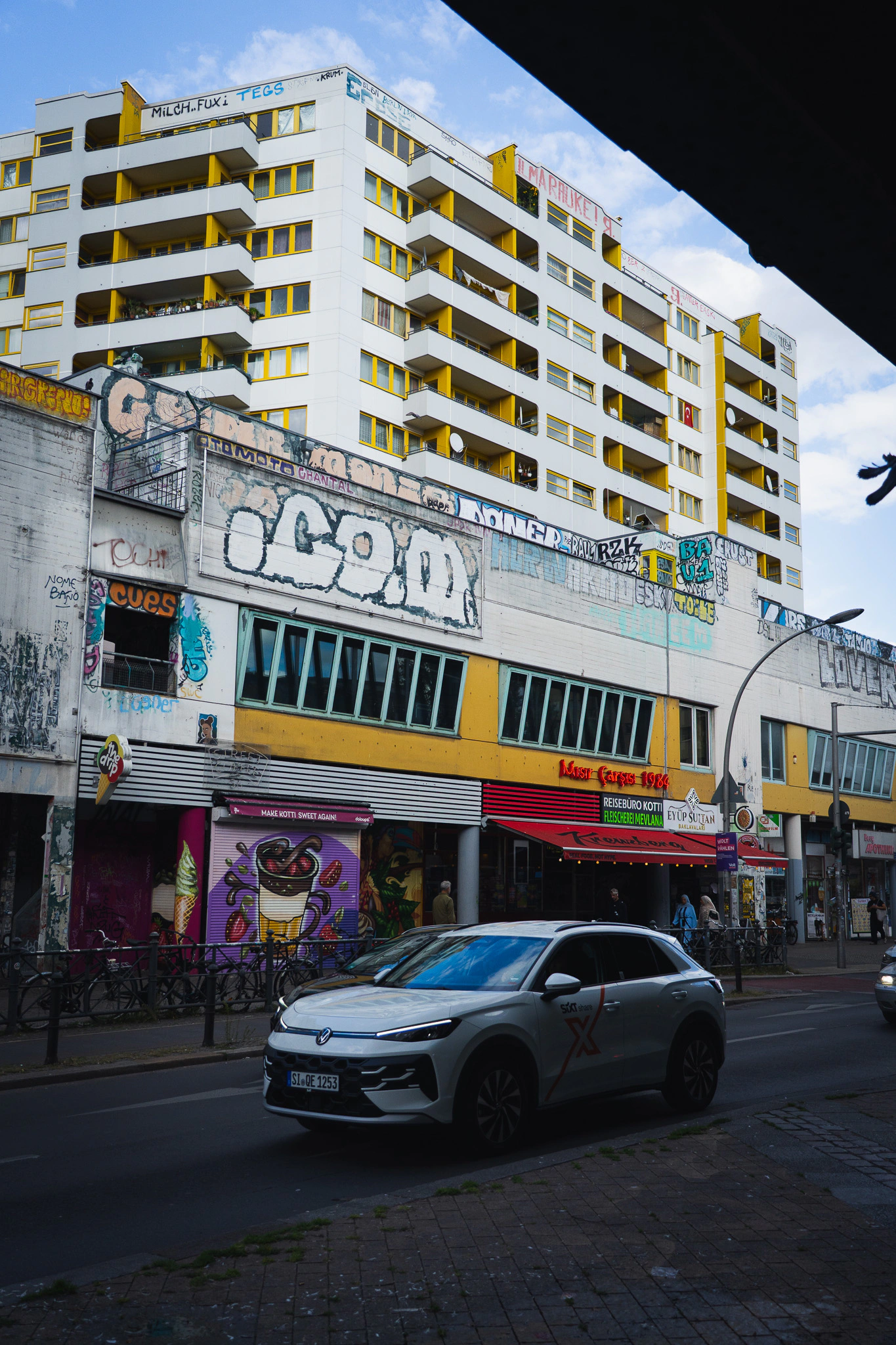
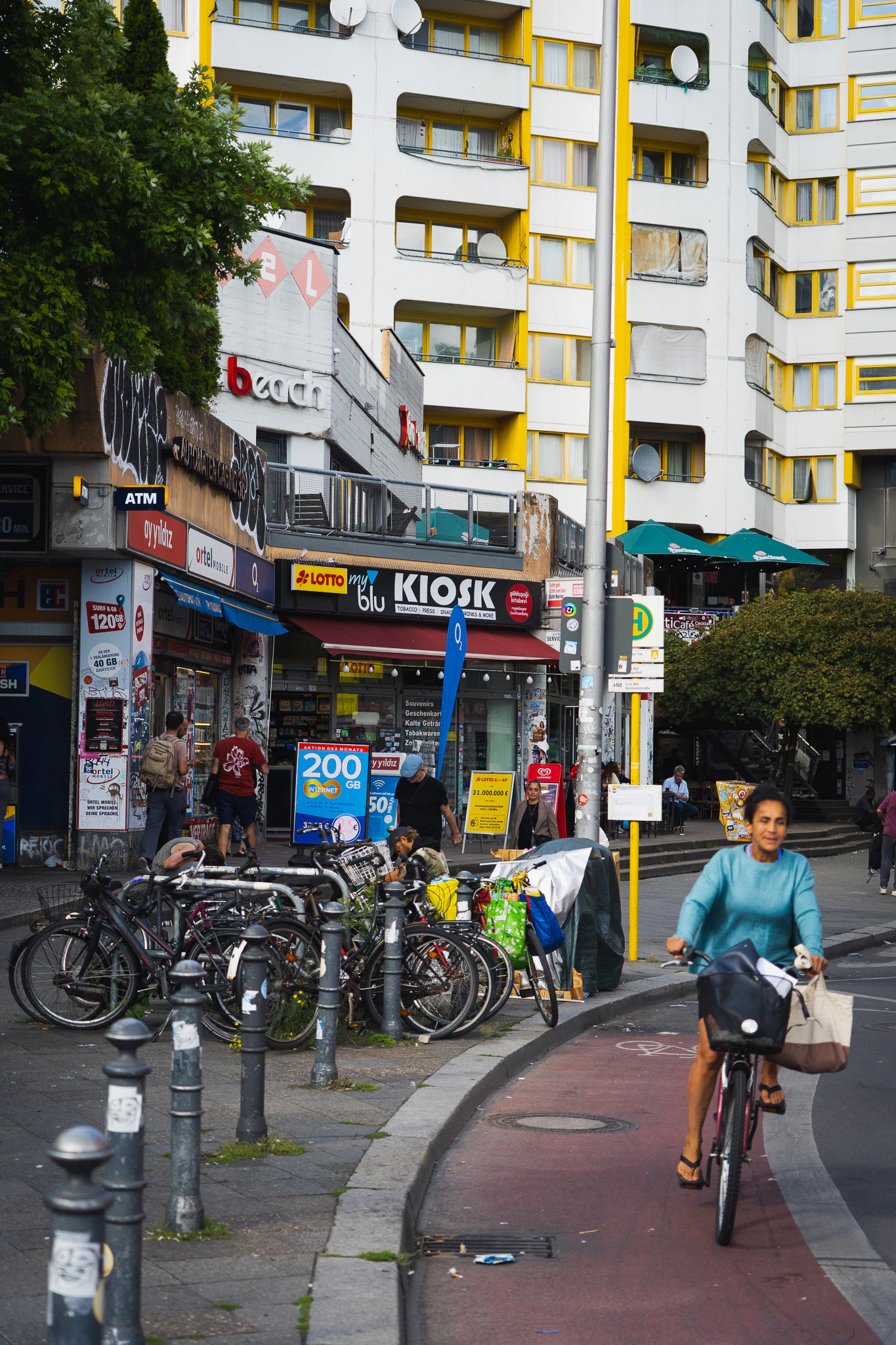
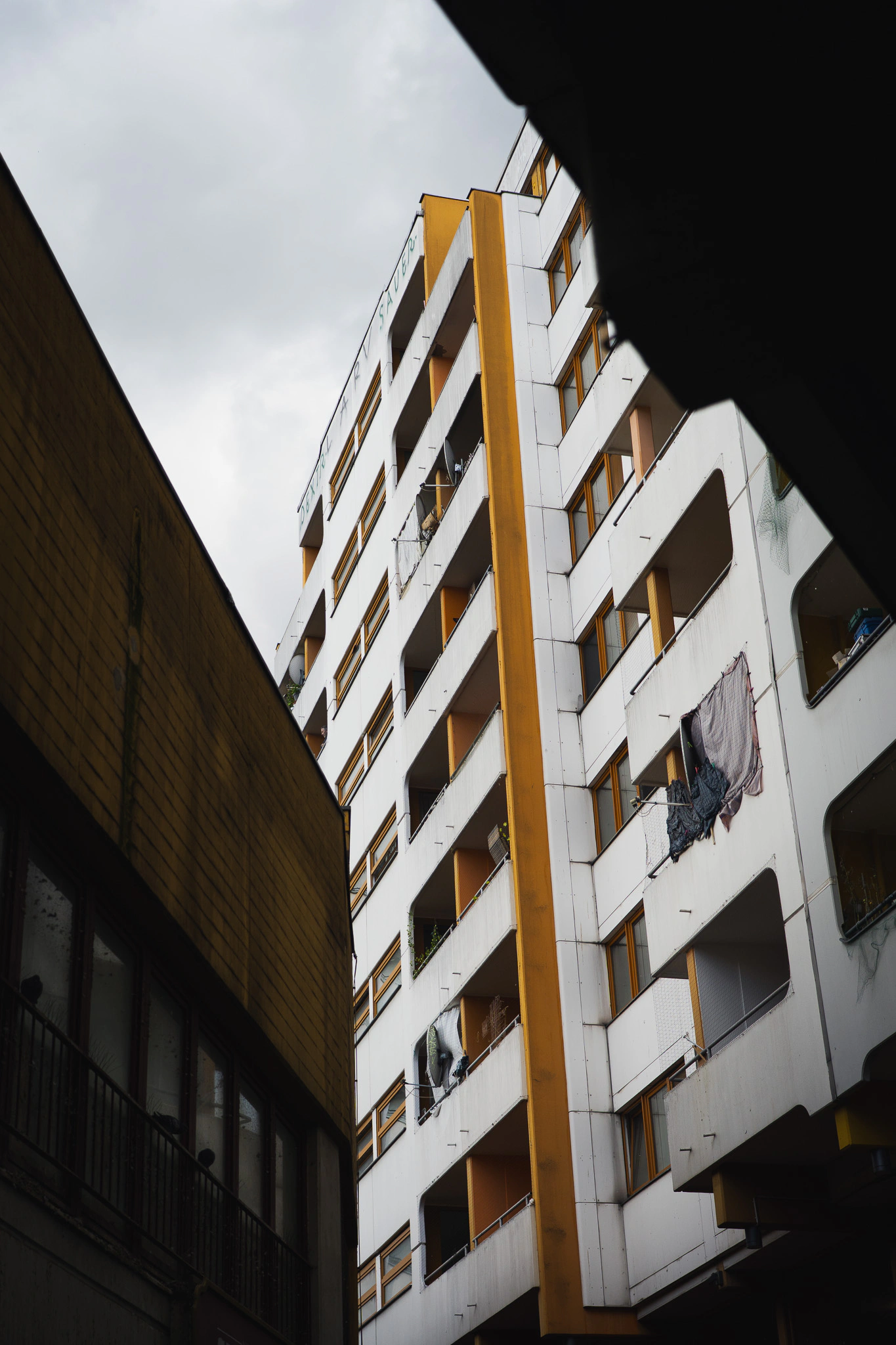
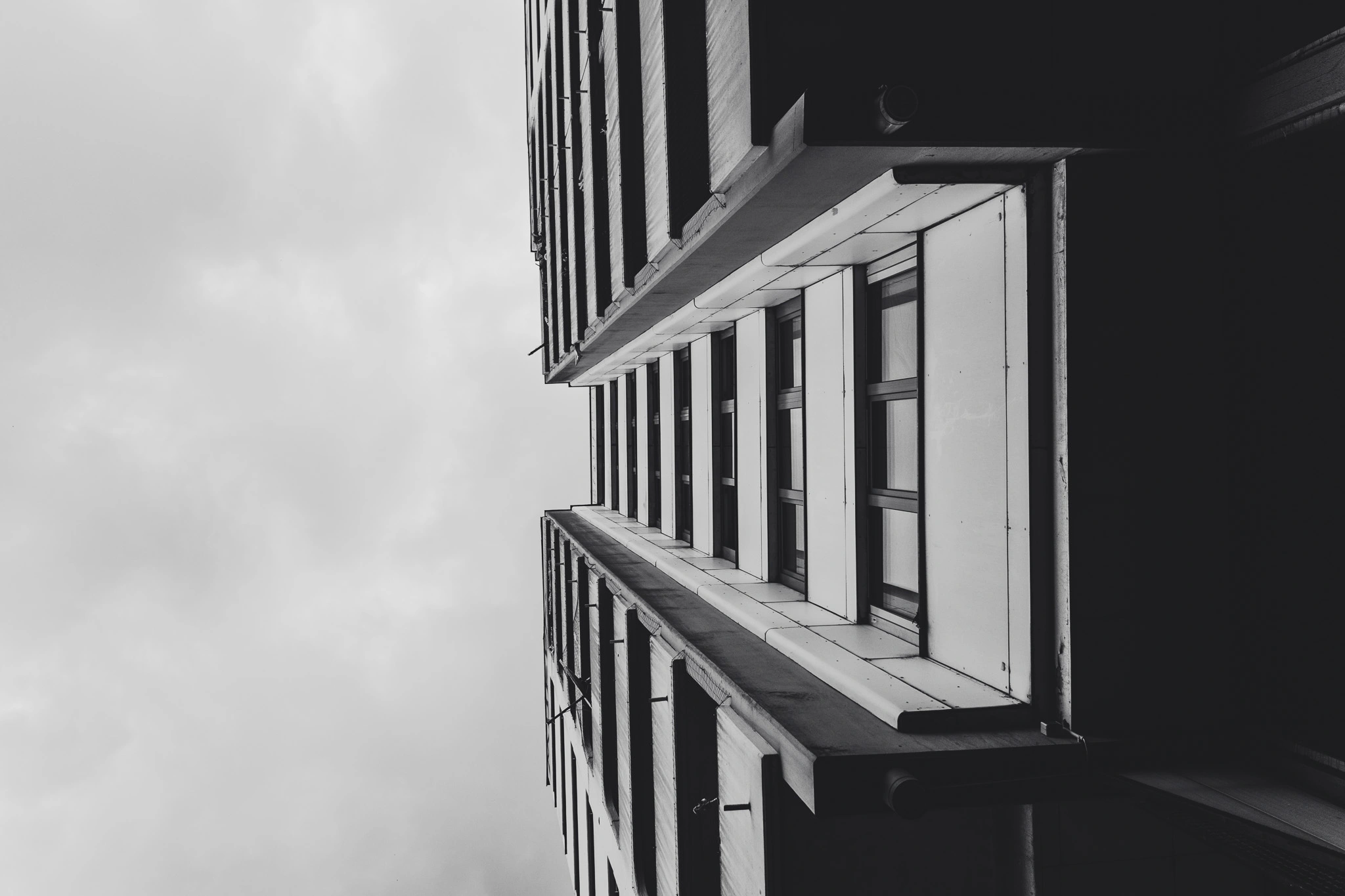
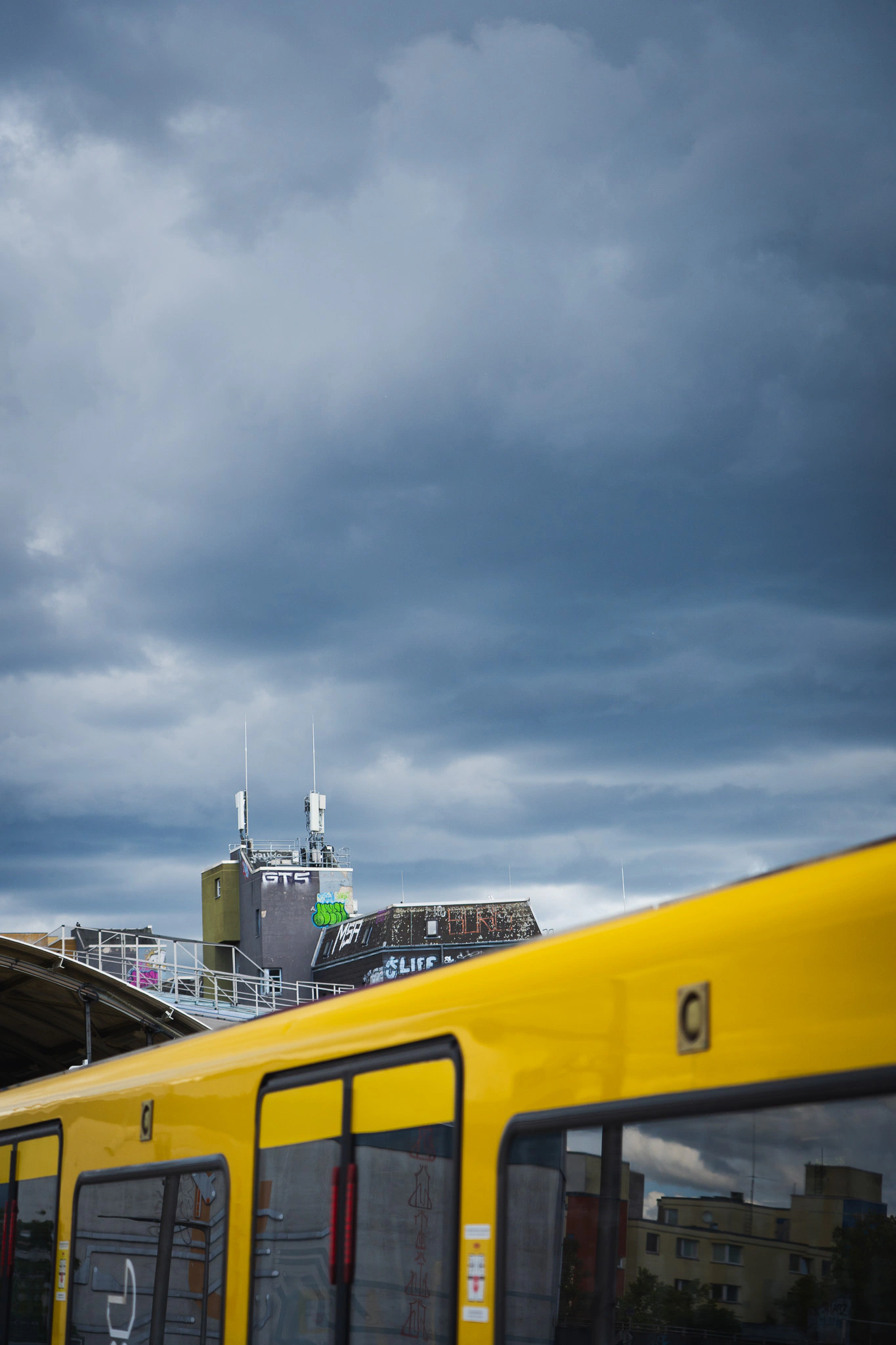
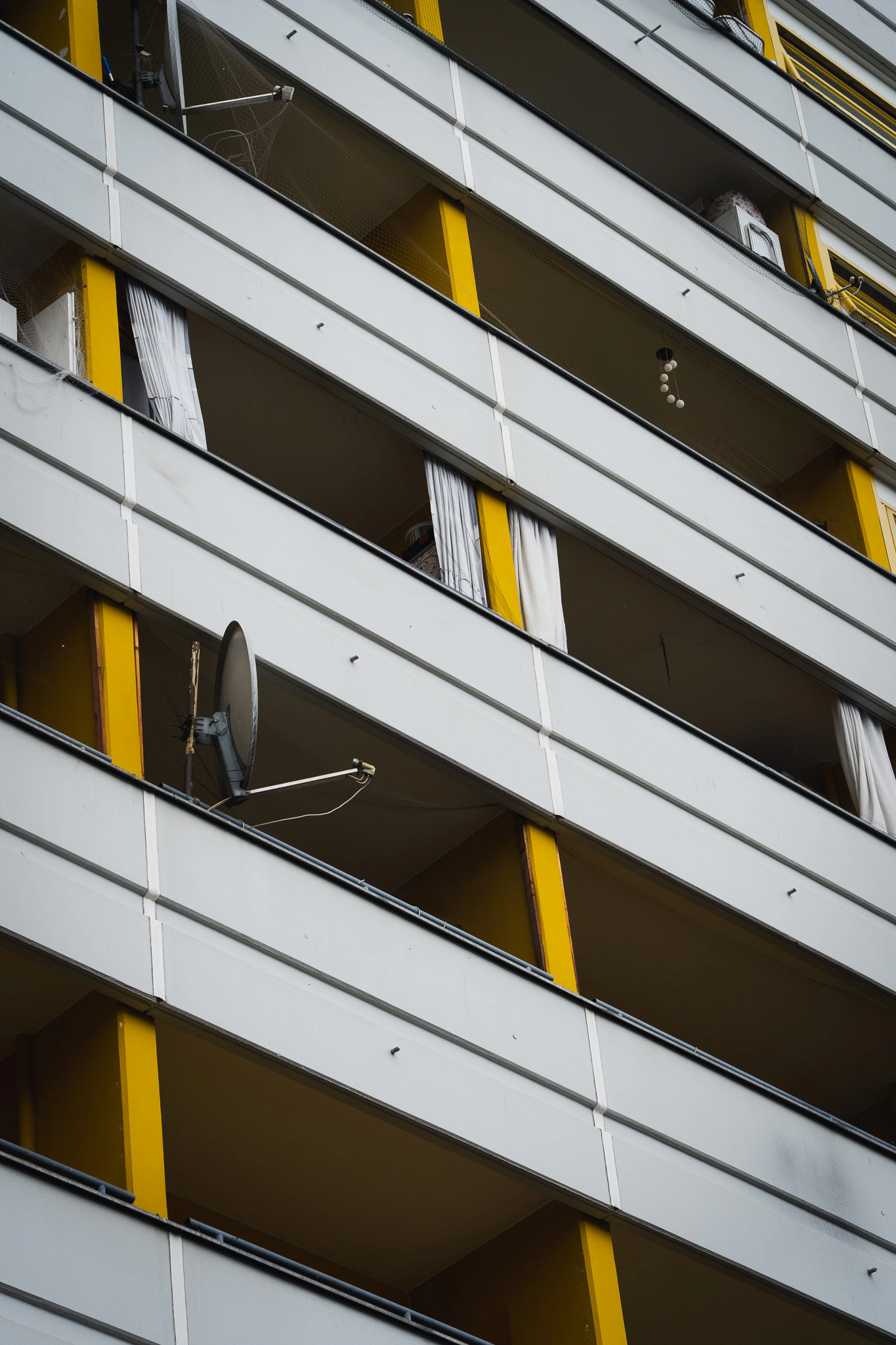
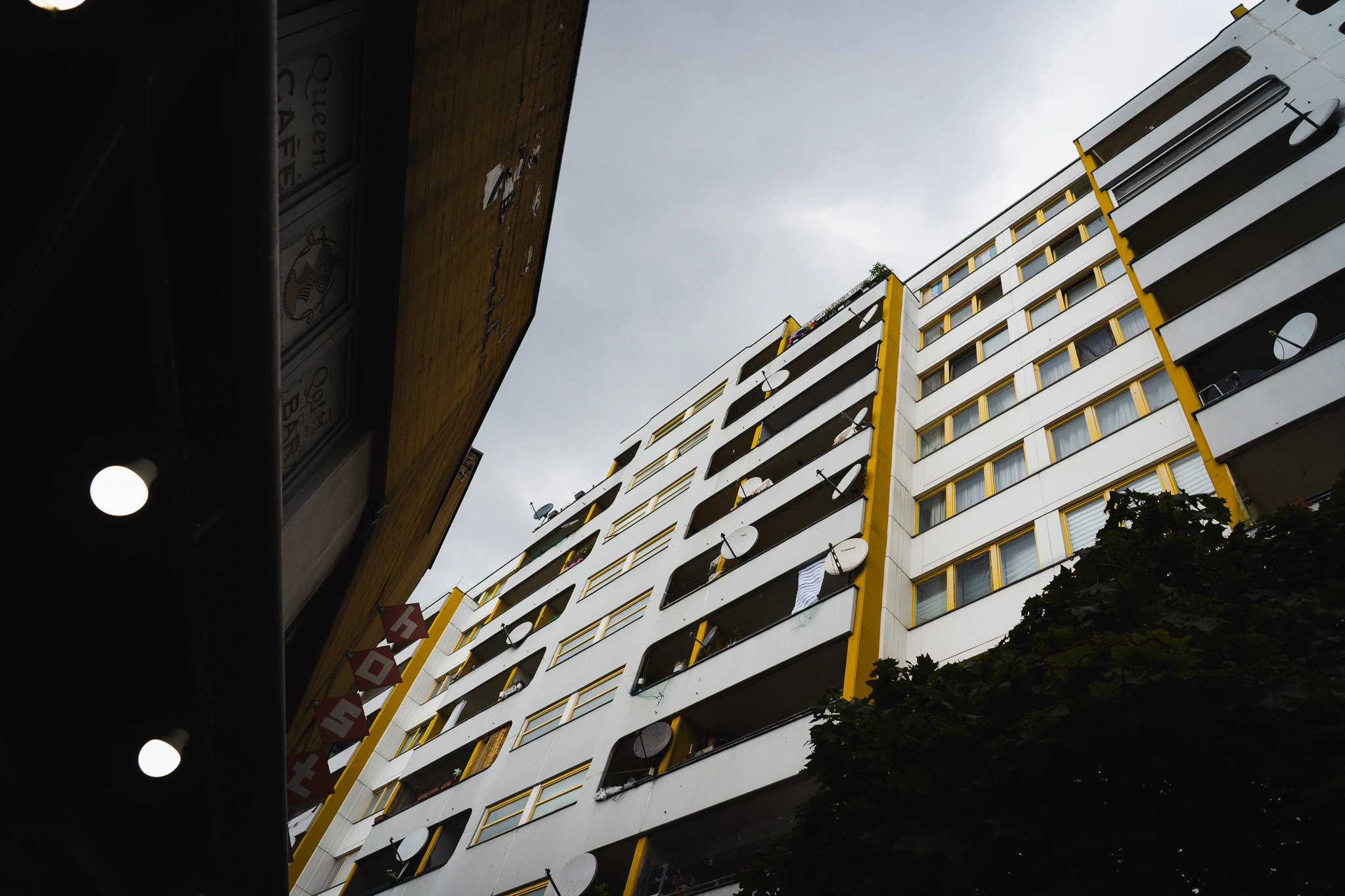
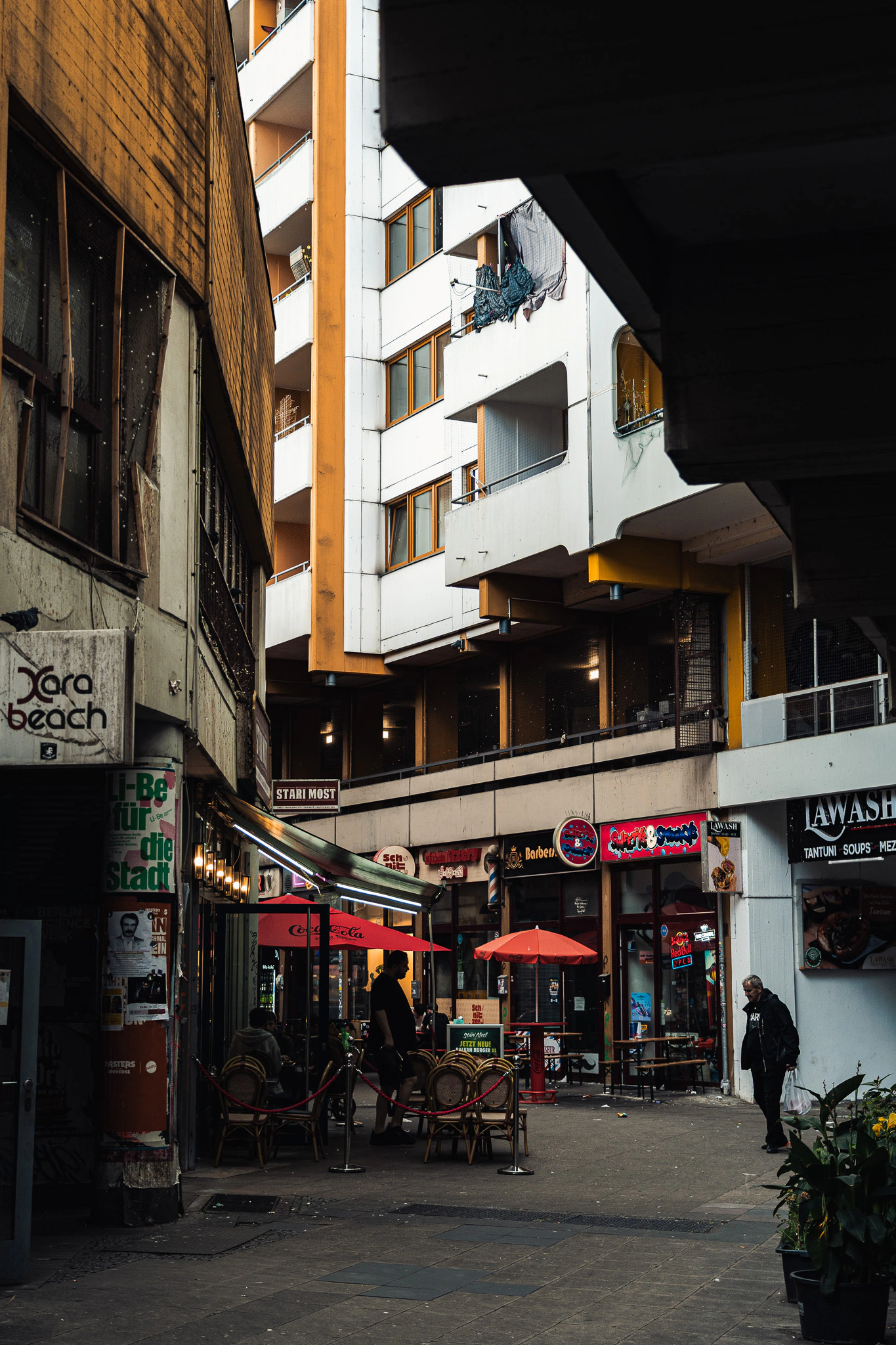
Btw, if you need some crack, or a stolen bike, I am quite sure they have some for you here.
In Ernst-Thälmann-Park, the 1986 monument to the communist leader still raises its fist in front of the housing estate that was built alongside it — one of the few large GDR monuments that survived the wave of removals after 1990.
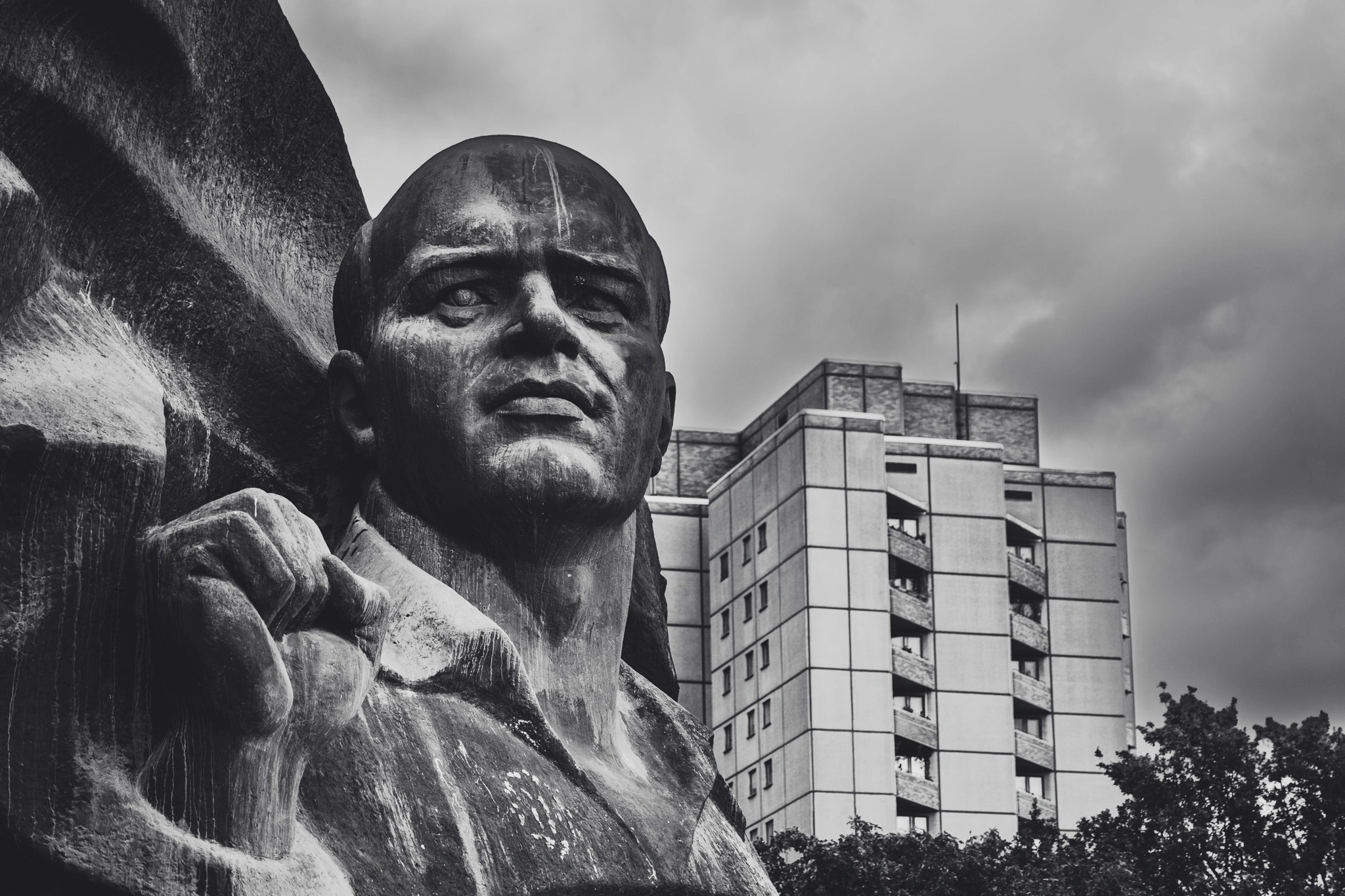
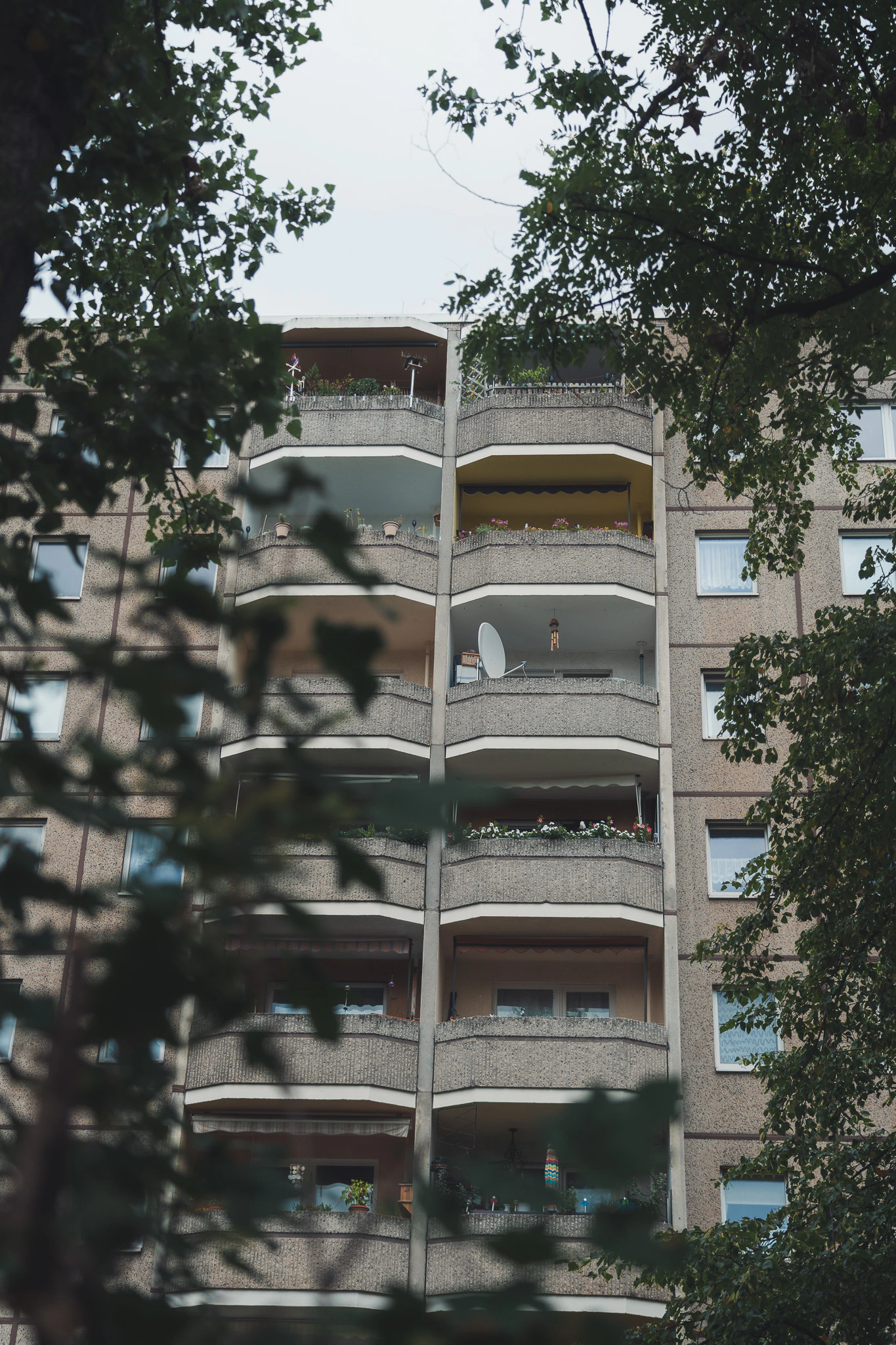
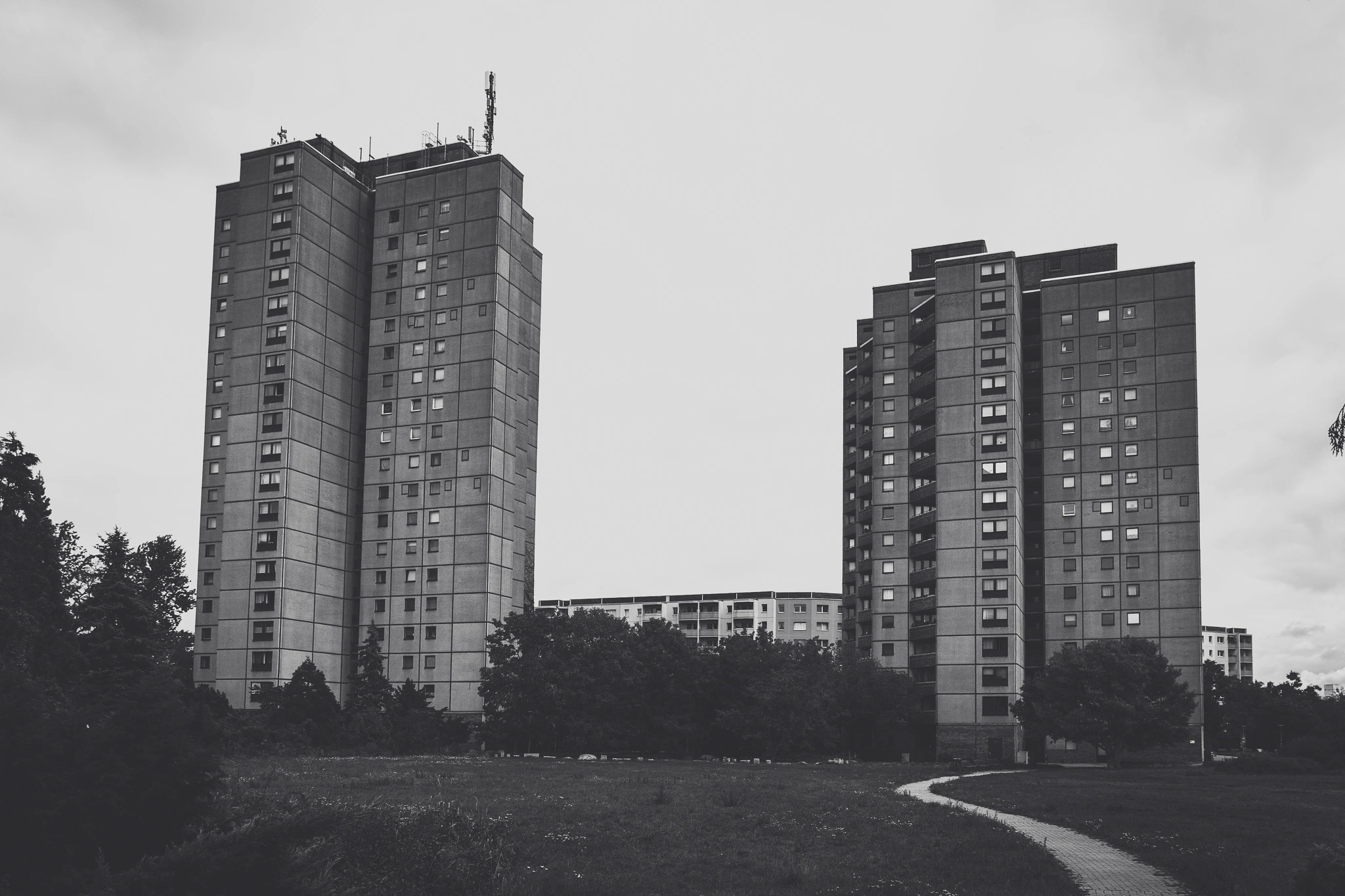
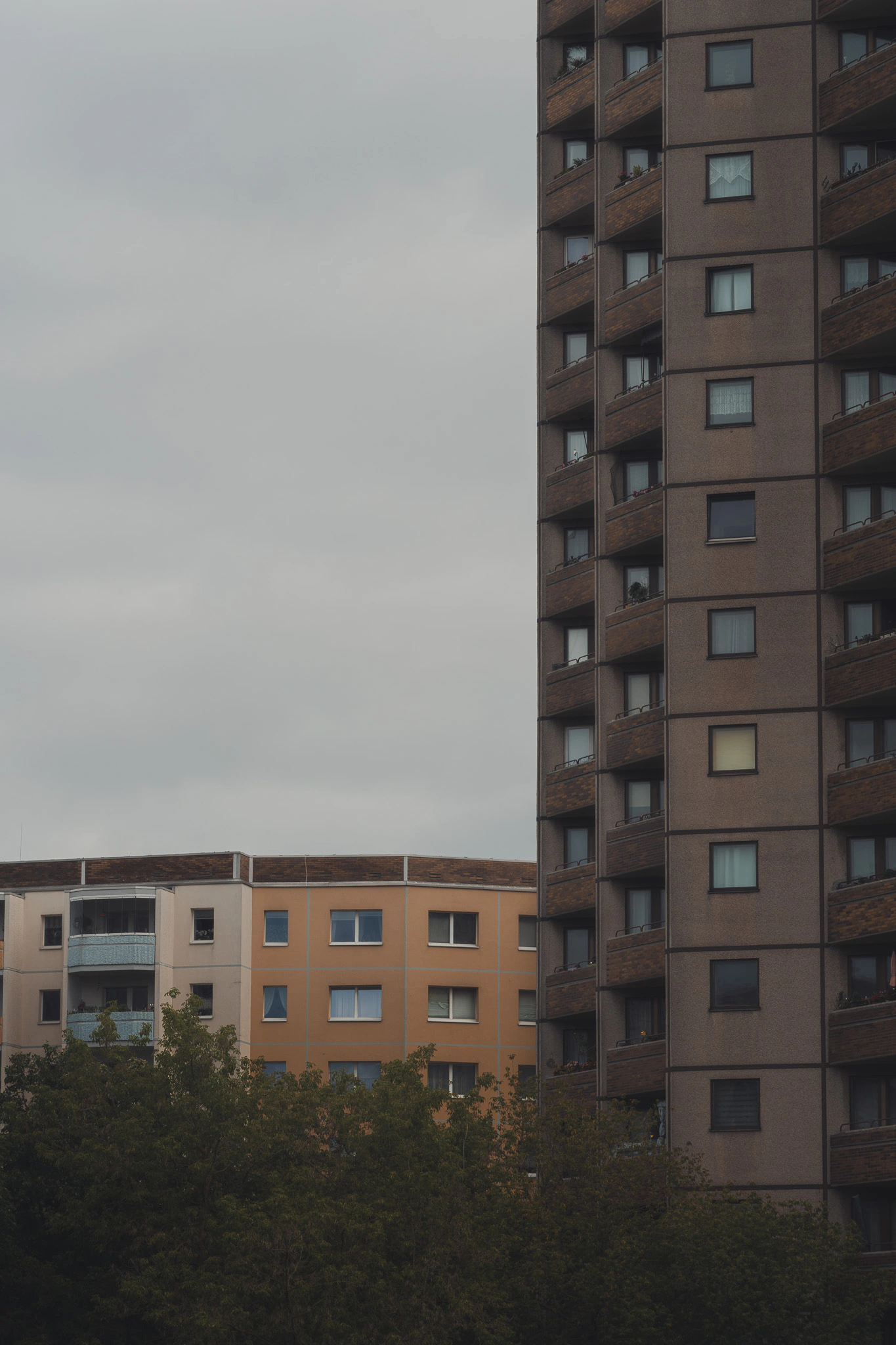
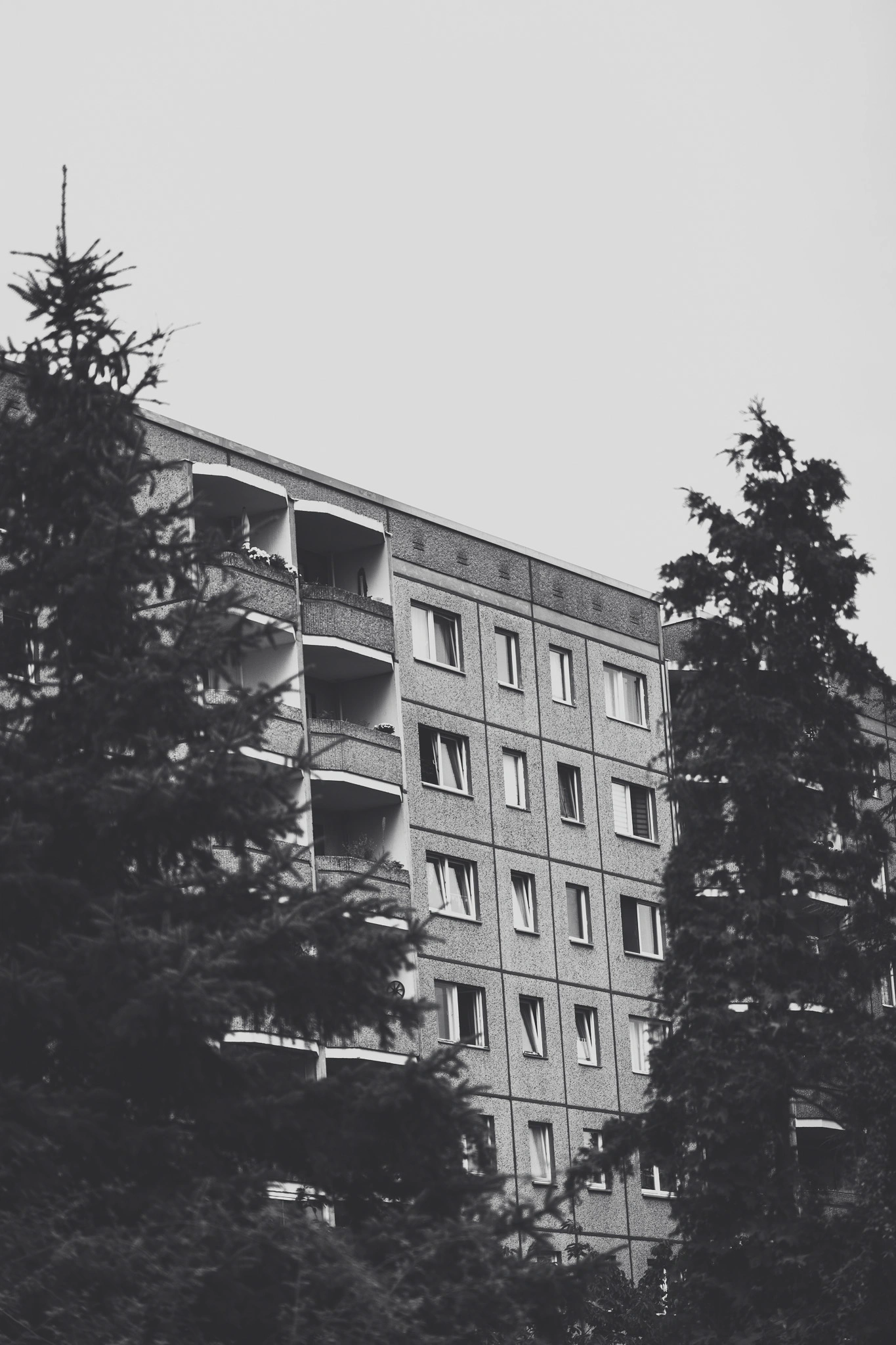
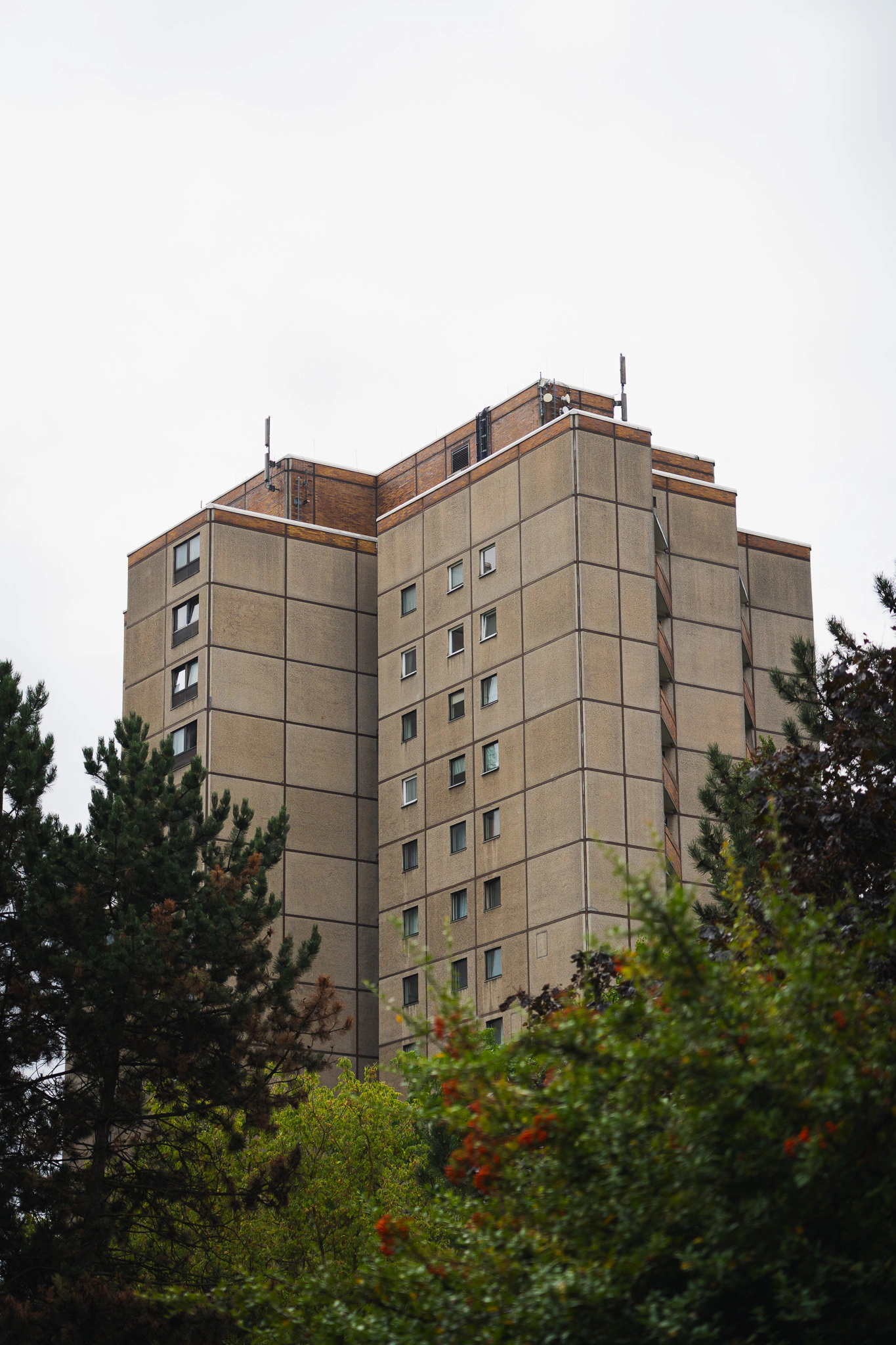
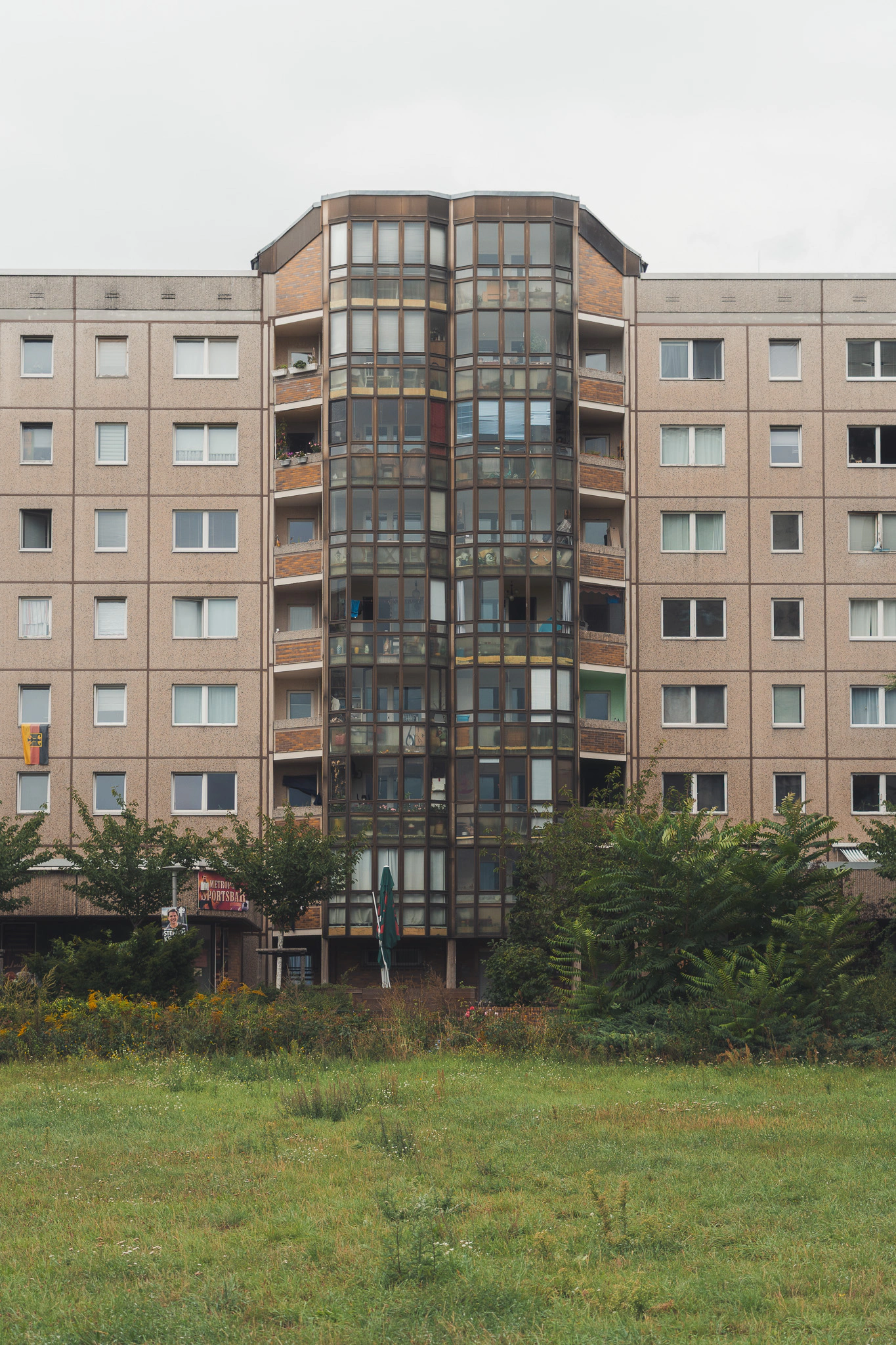
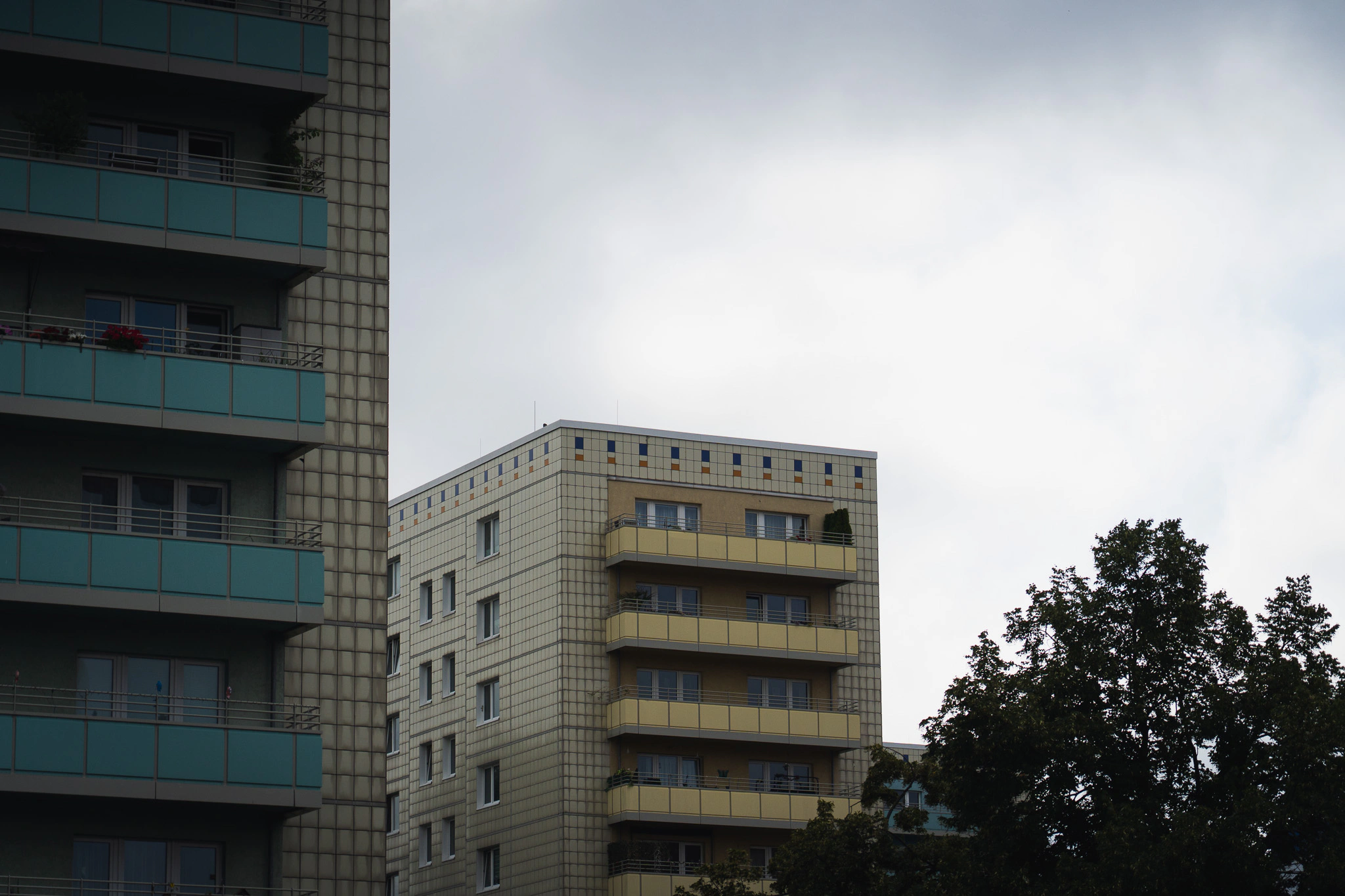
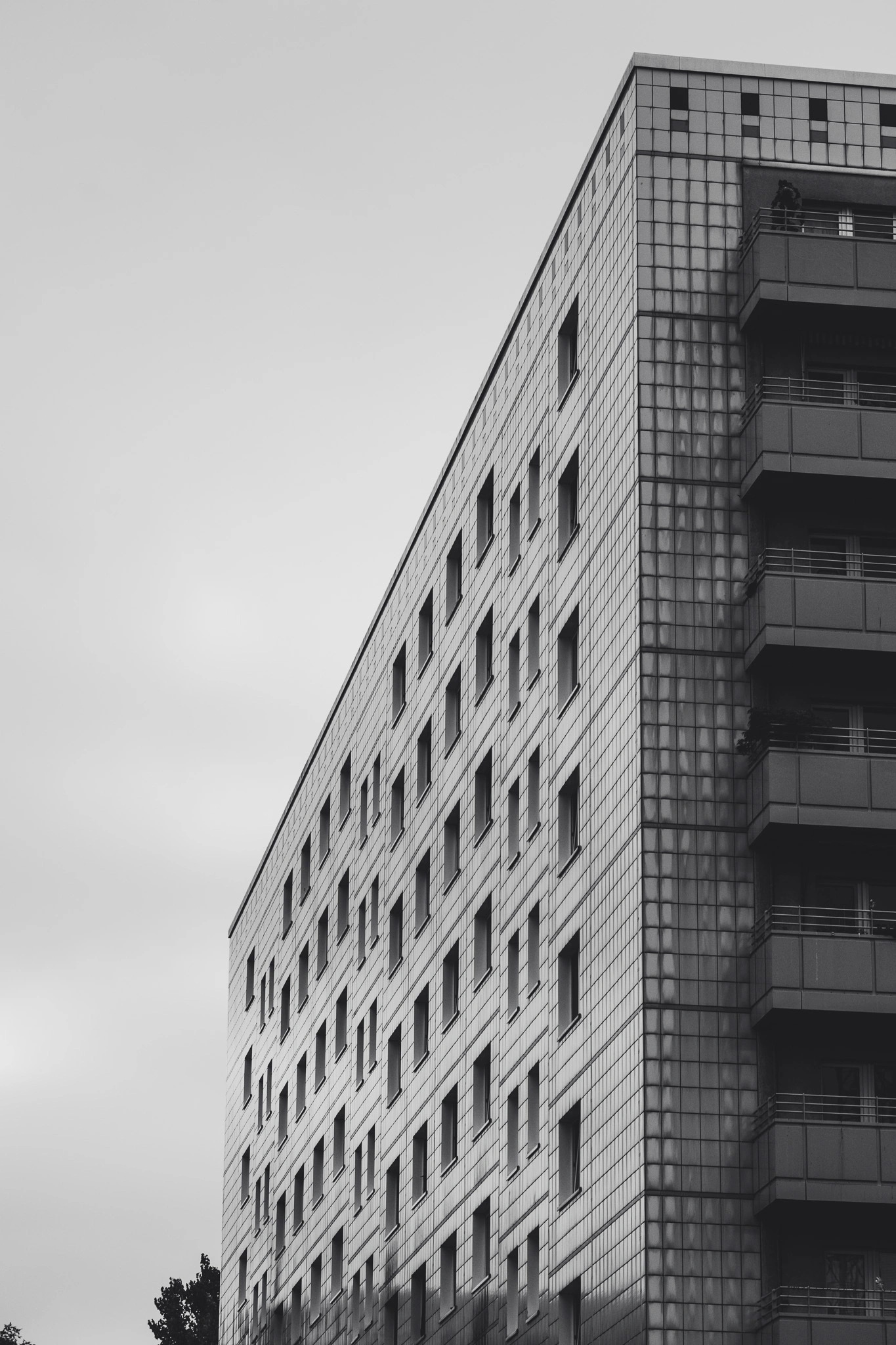
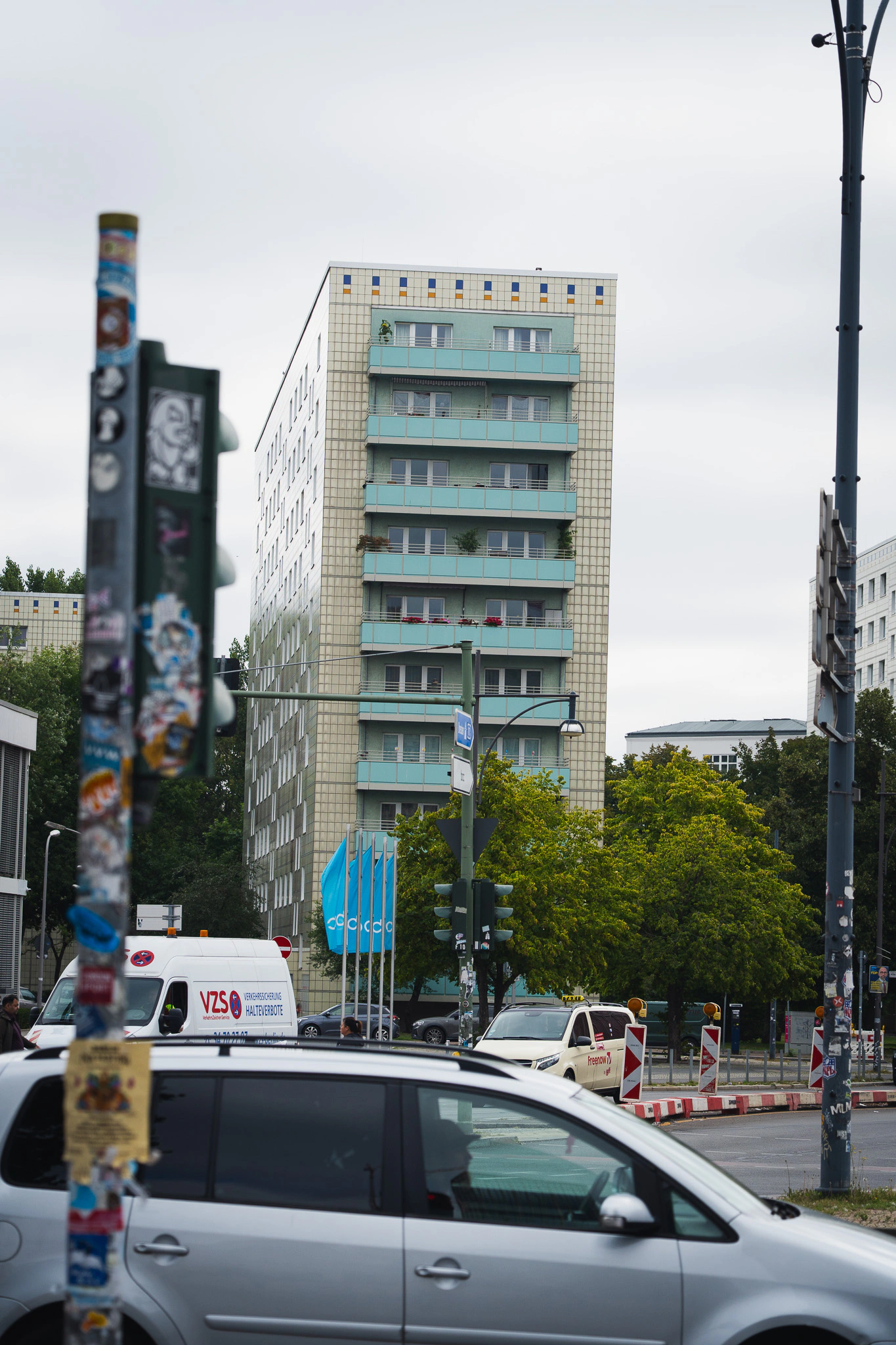
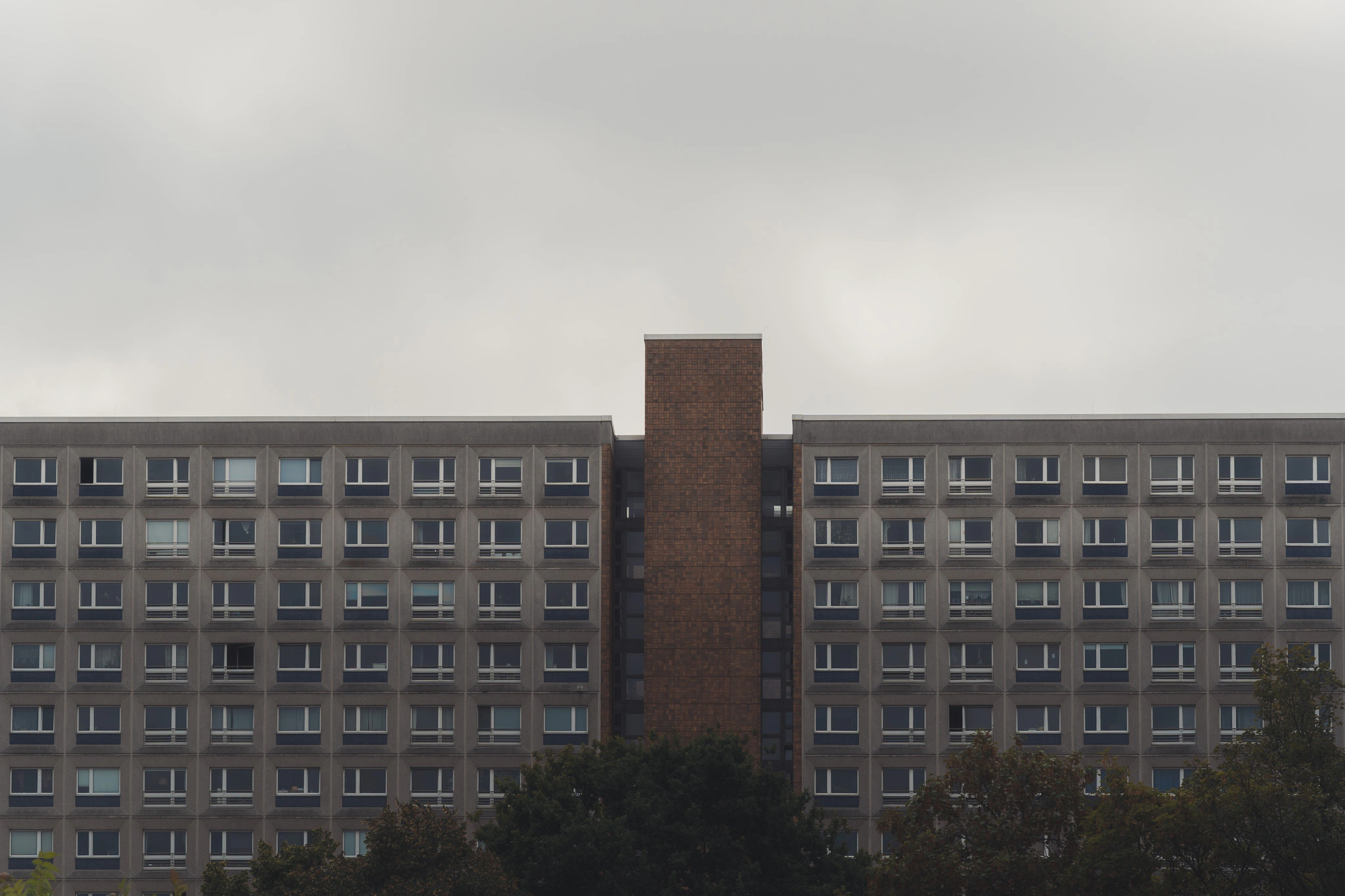
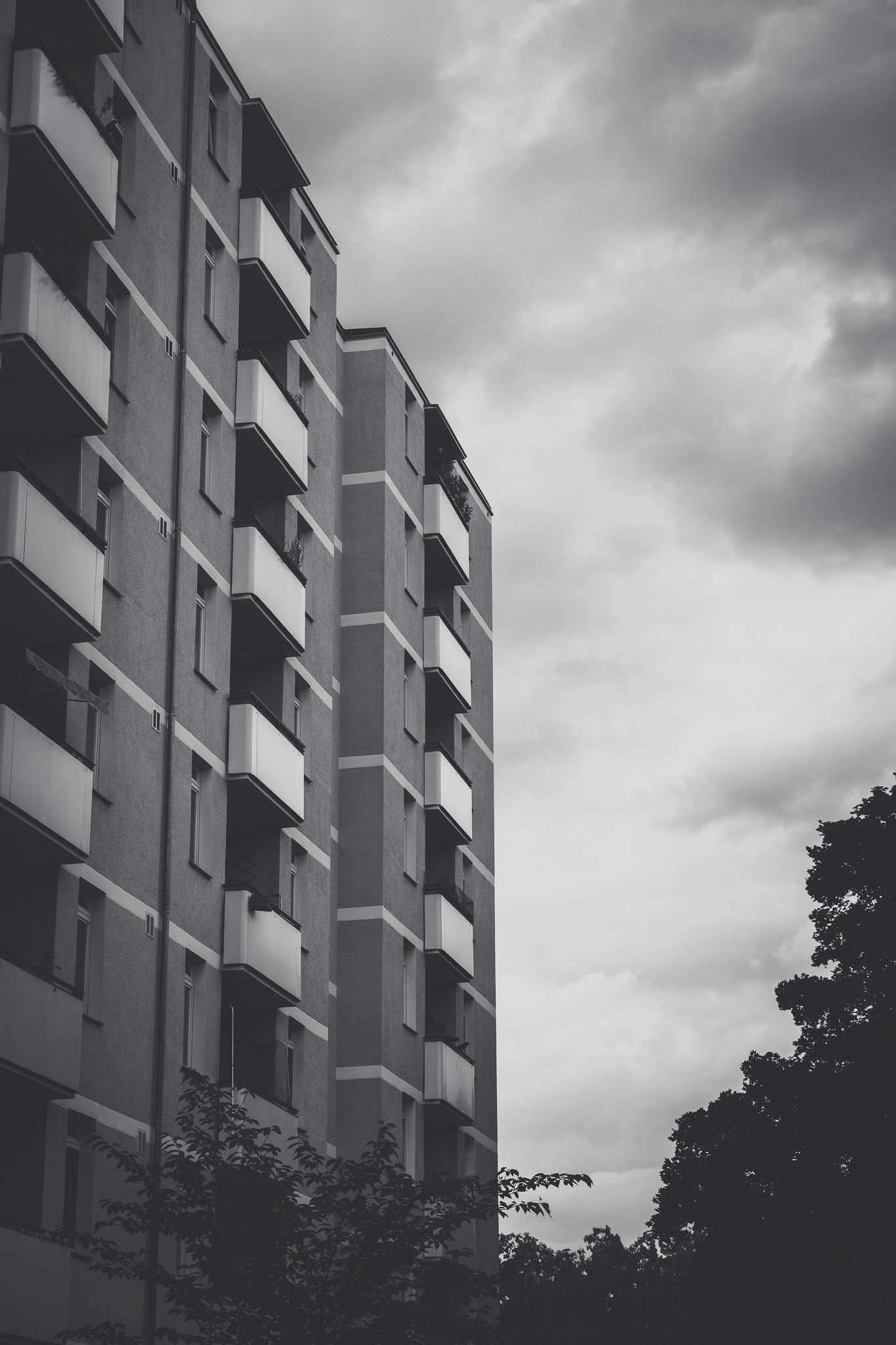
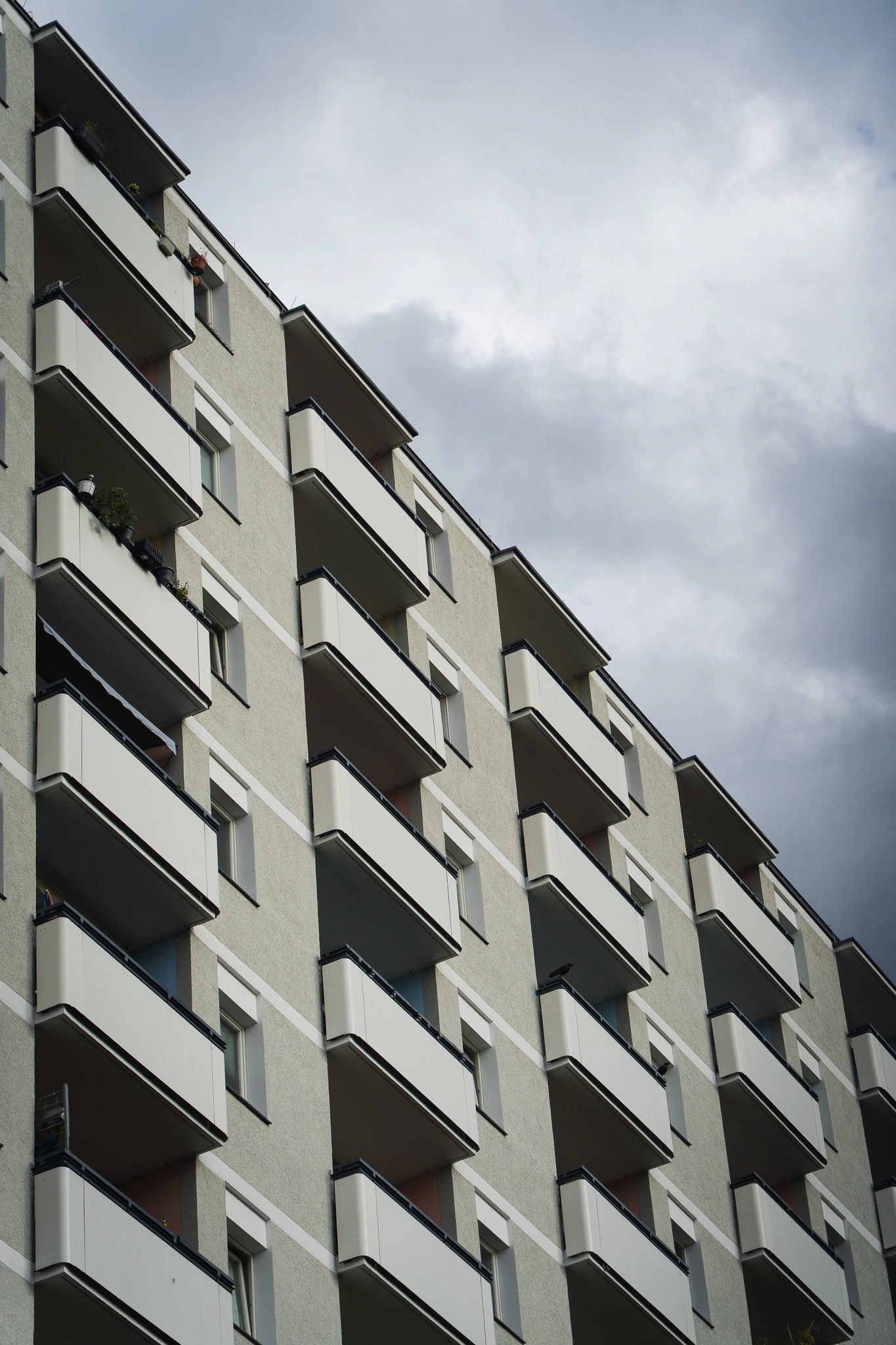
The Plattenbau estates between Friedrichshain and Prenzlauer Berg are their own kind of landscape — WBS 70 slabs and point towers arranged around parks, willows, and footpaths, softer in person than their reputation suggests.
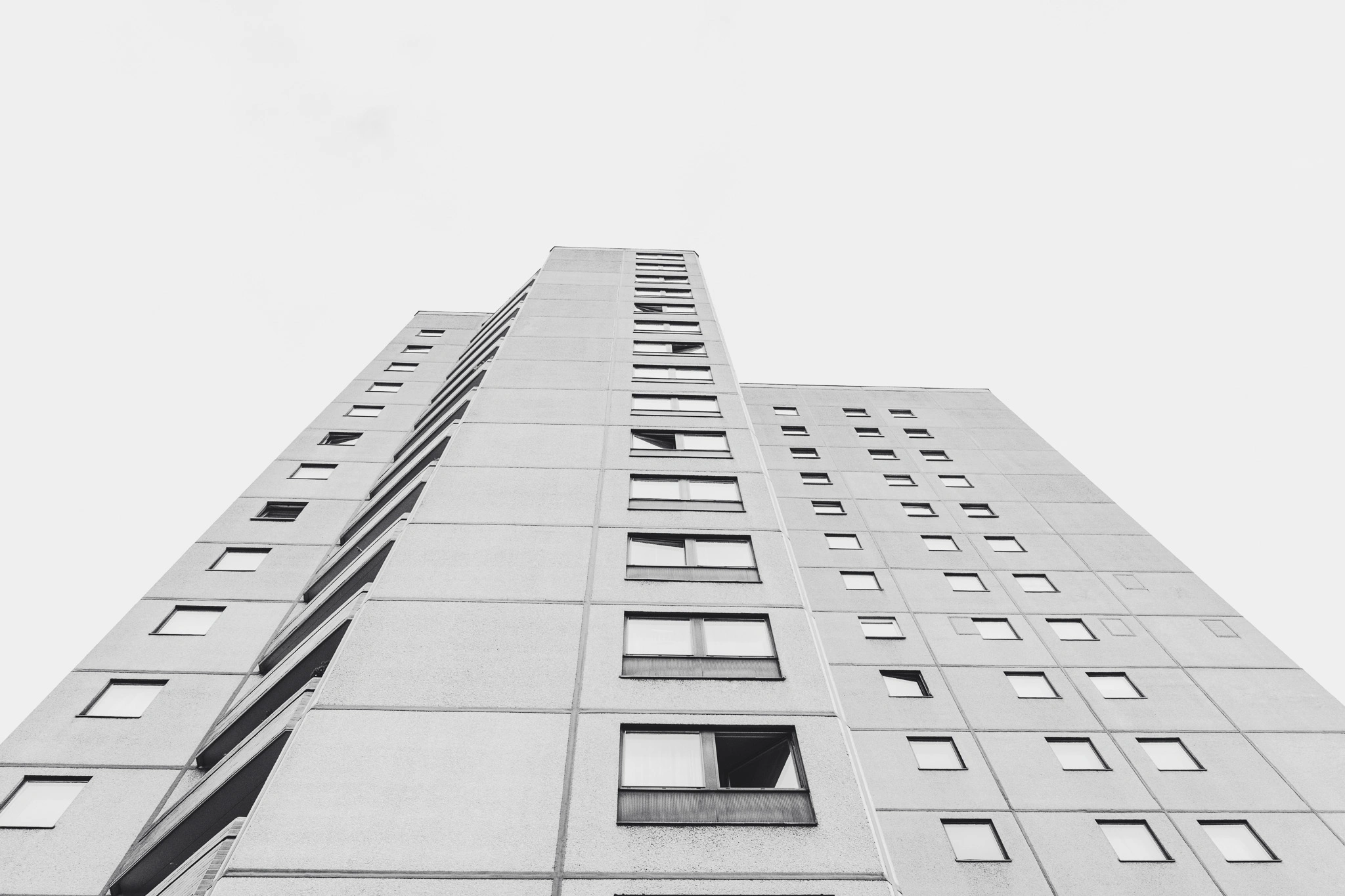
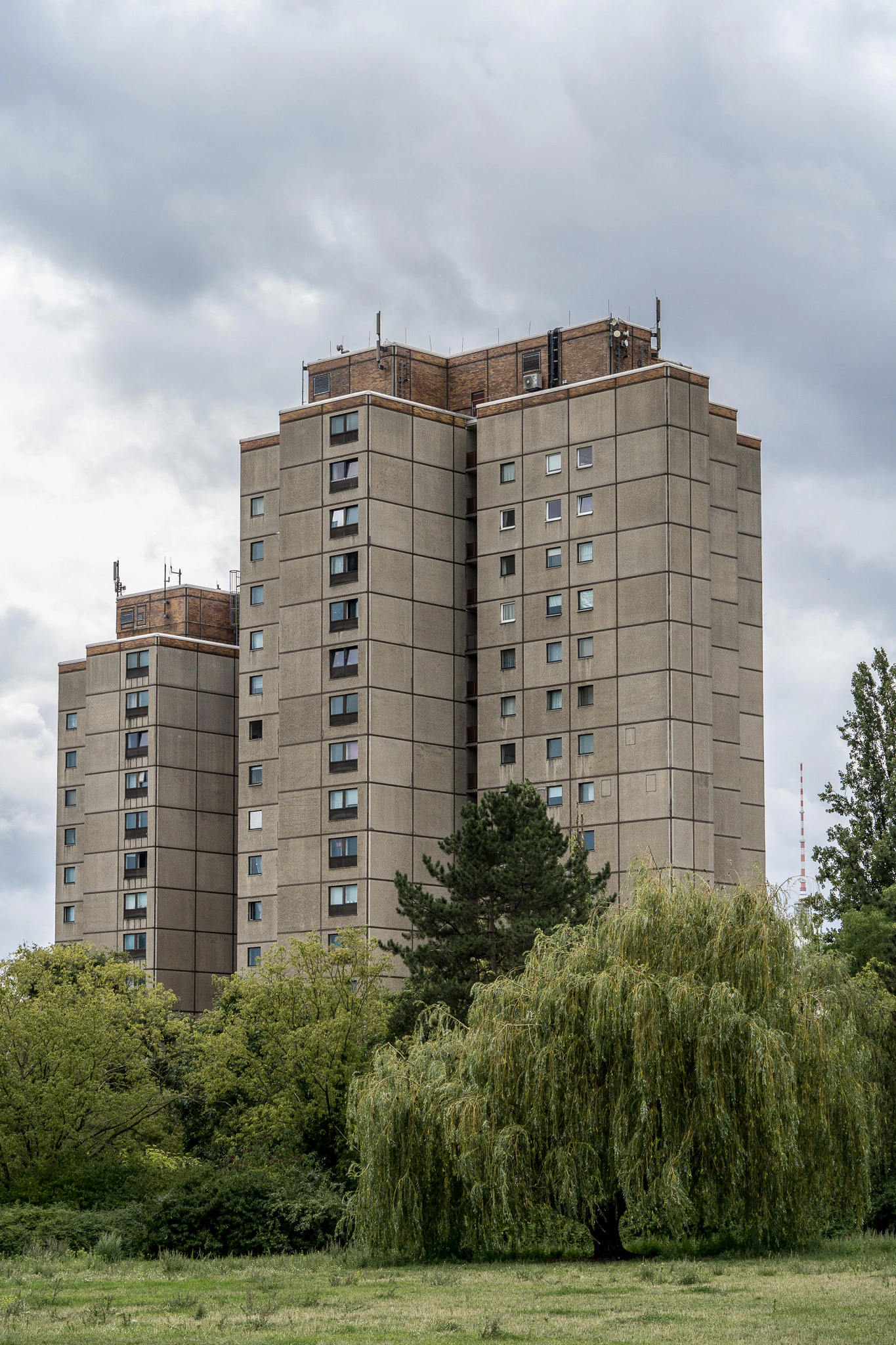
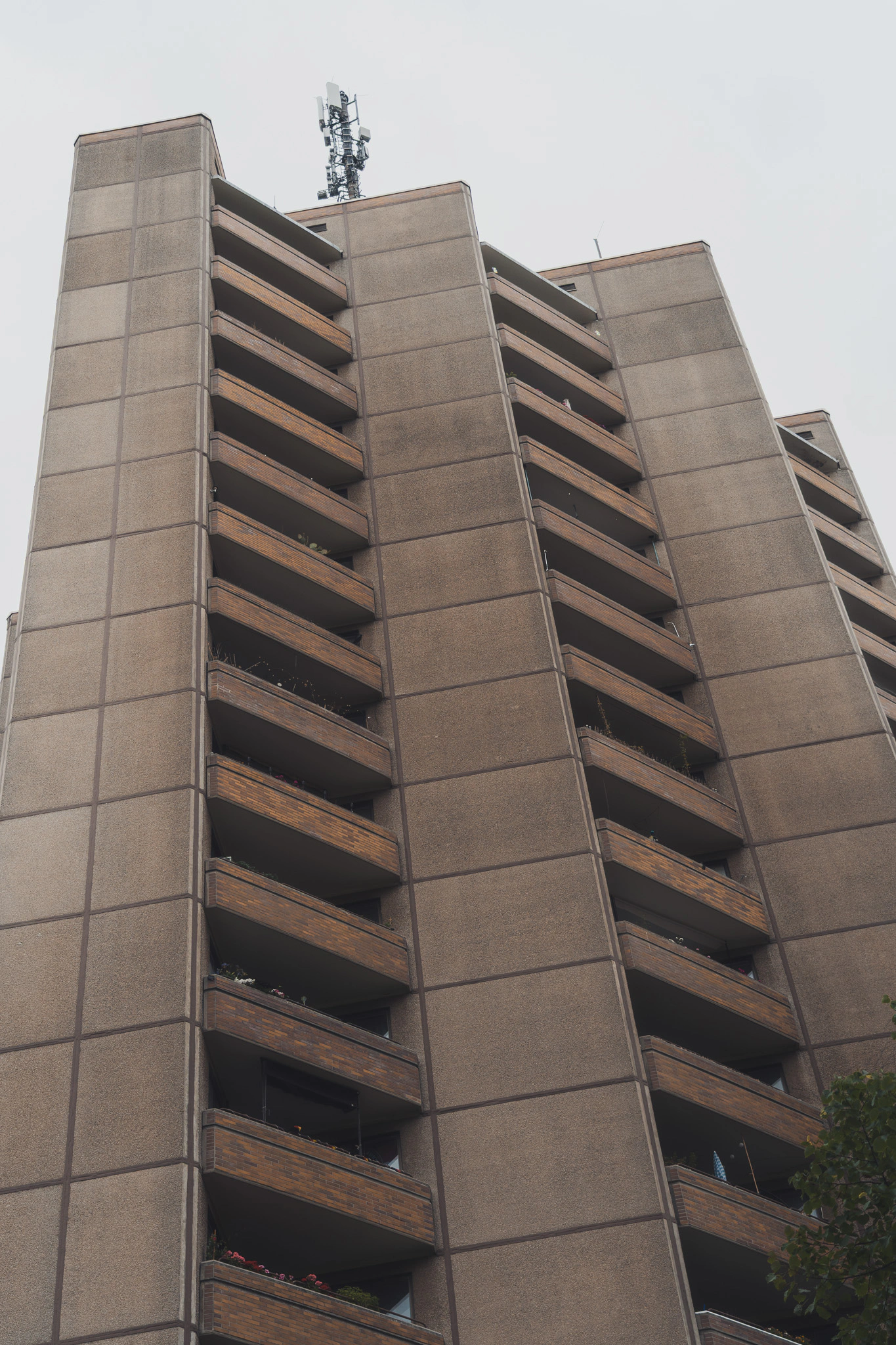
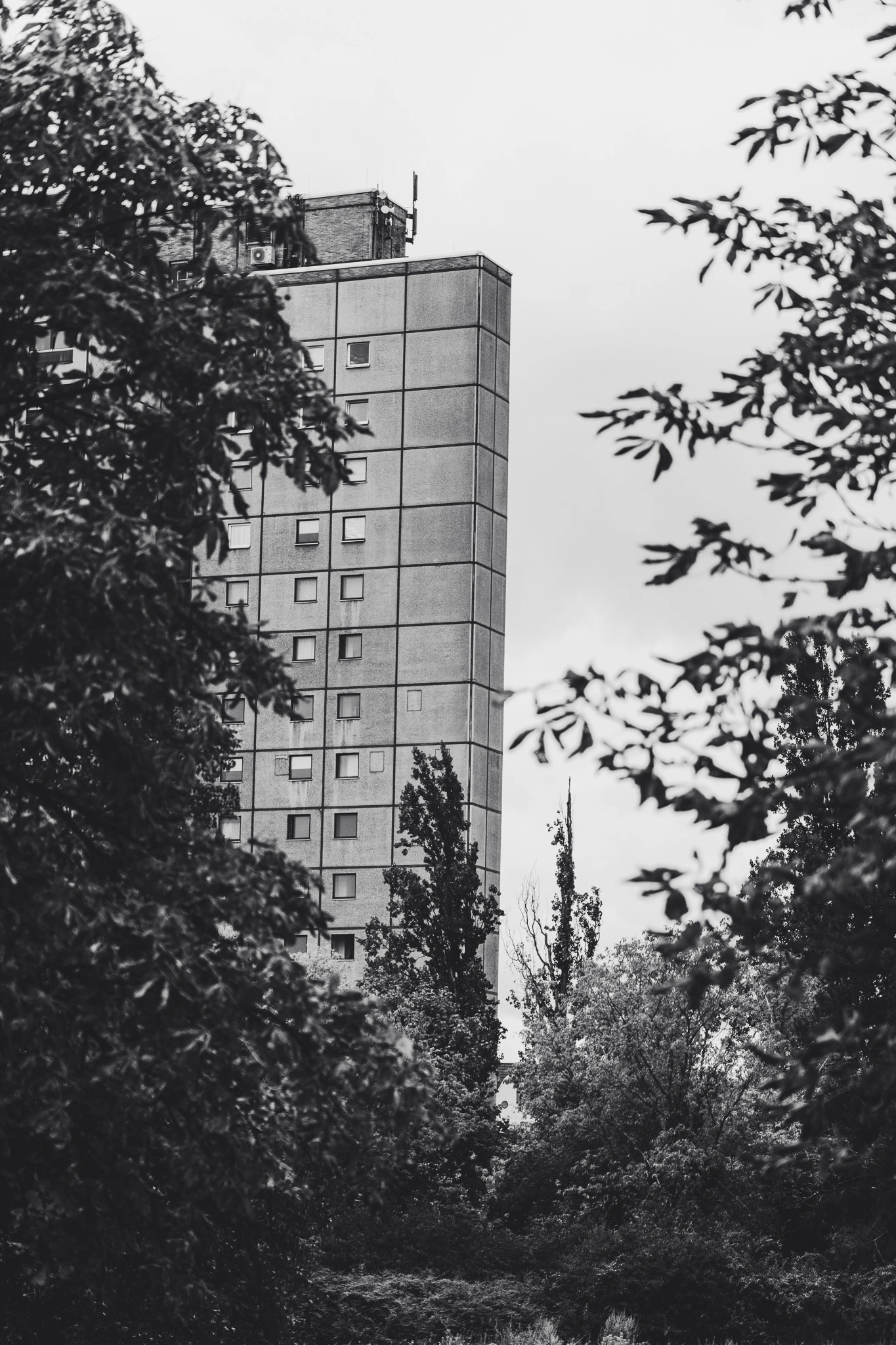
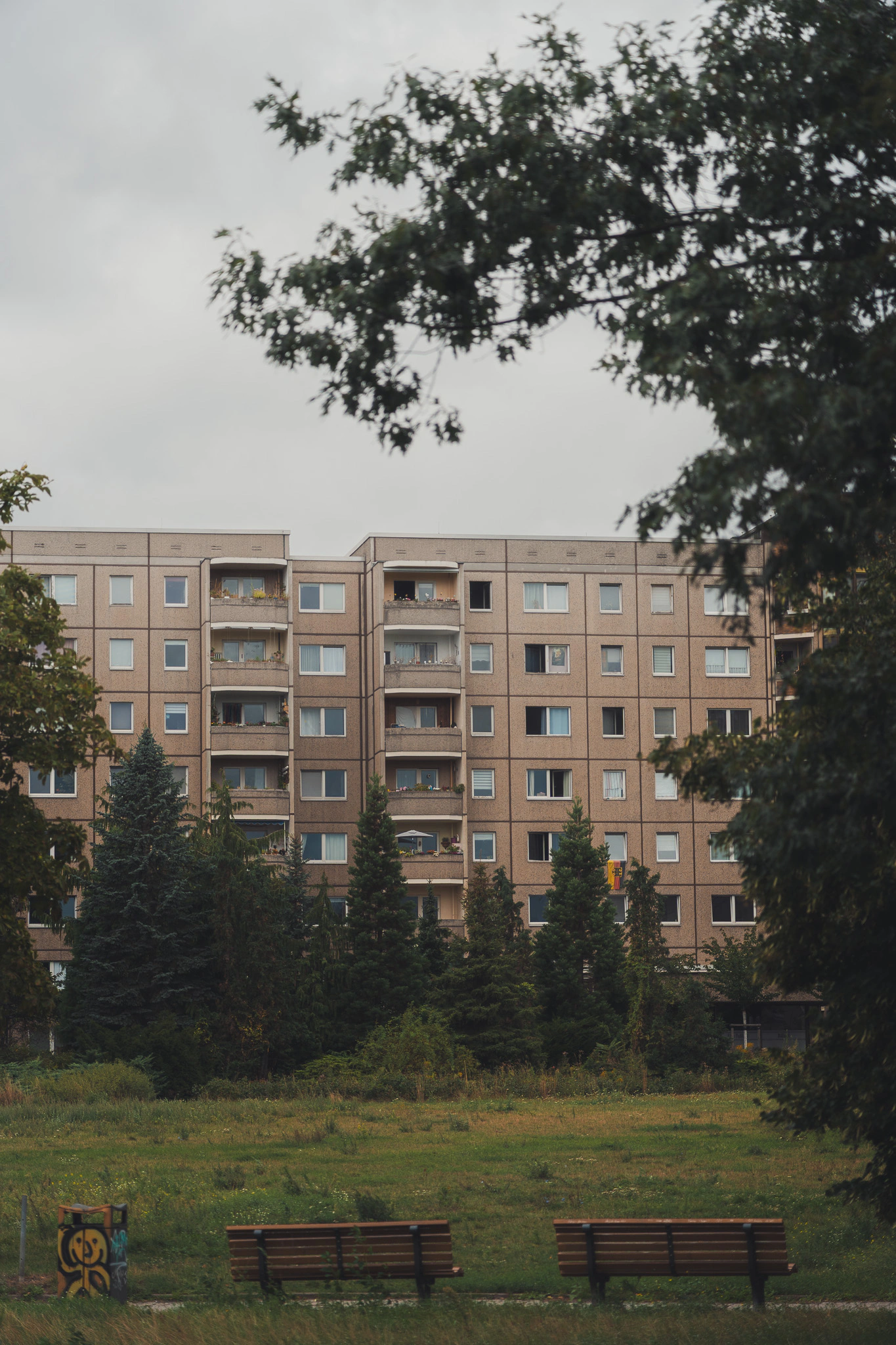
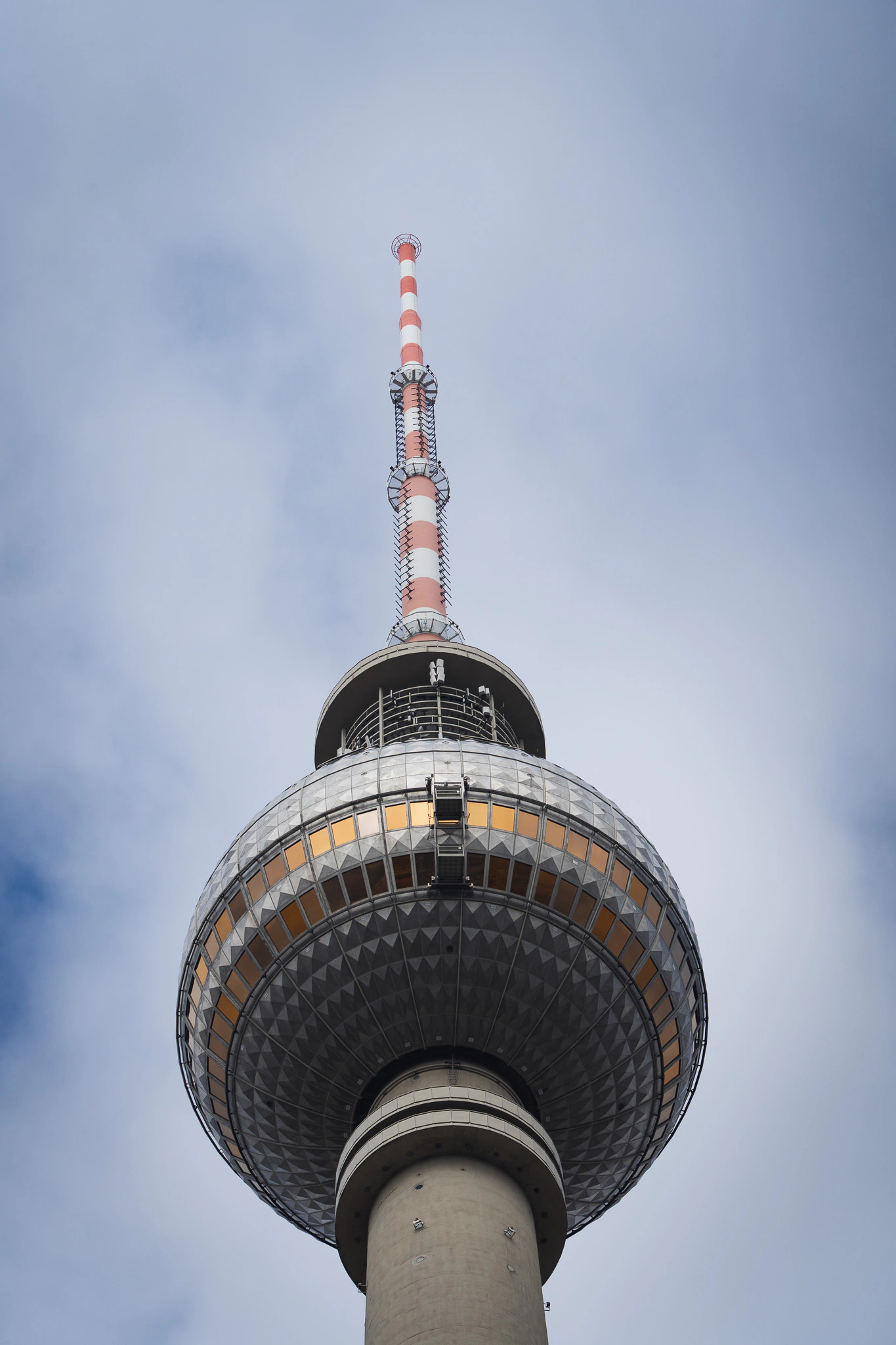
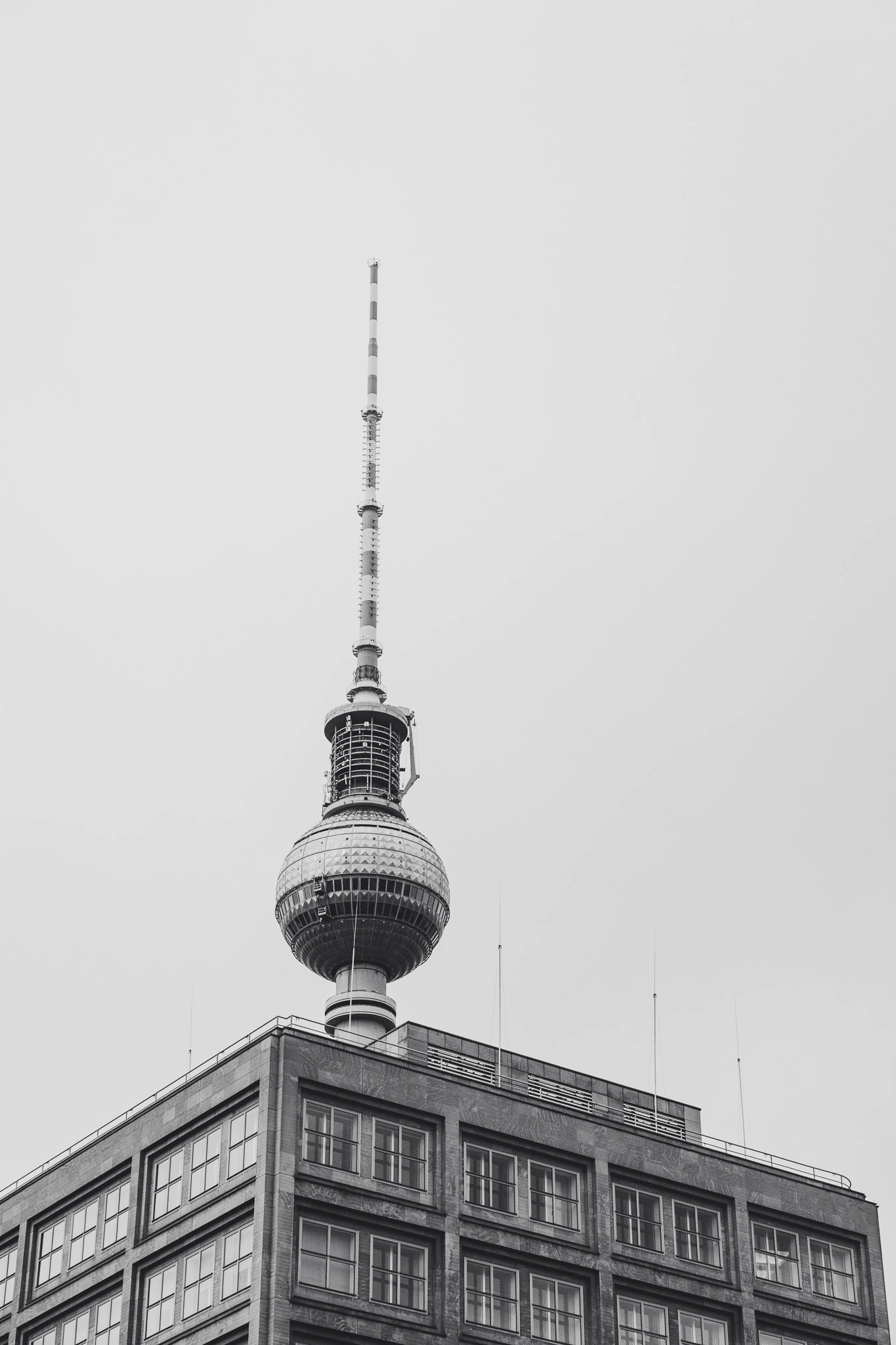
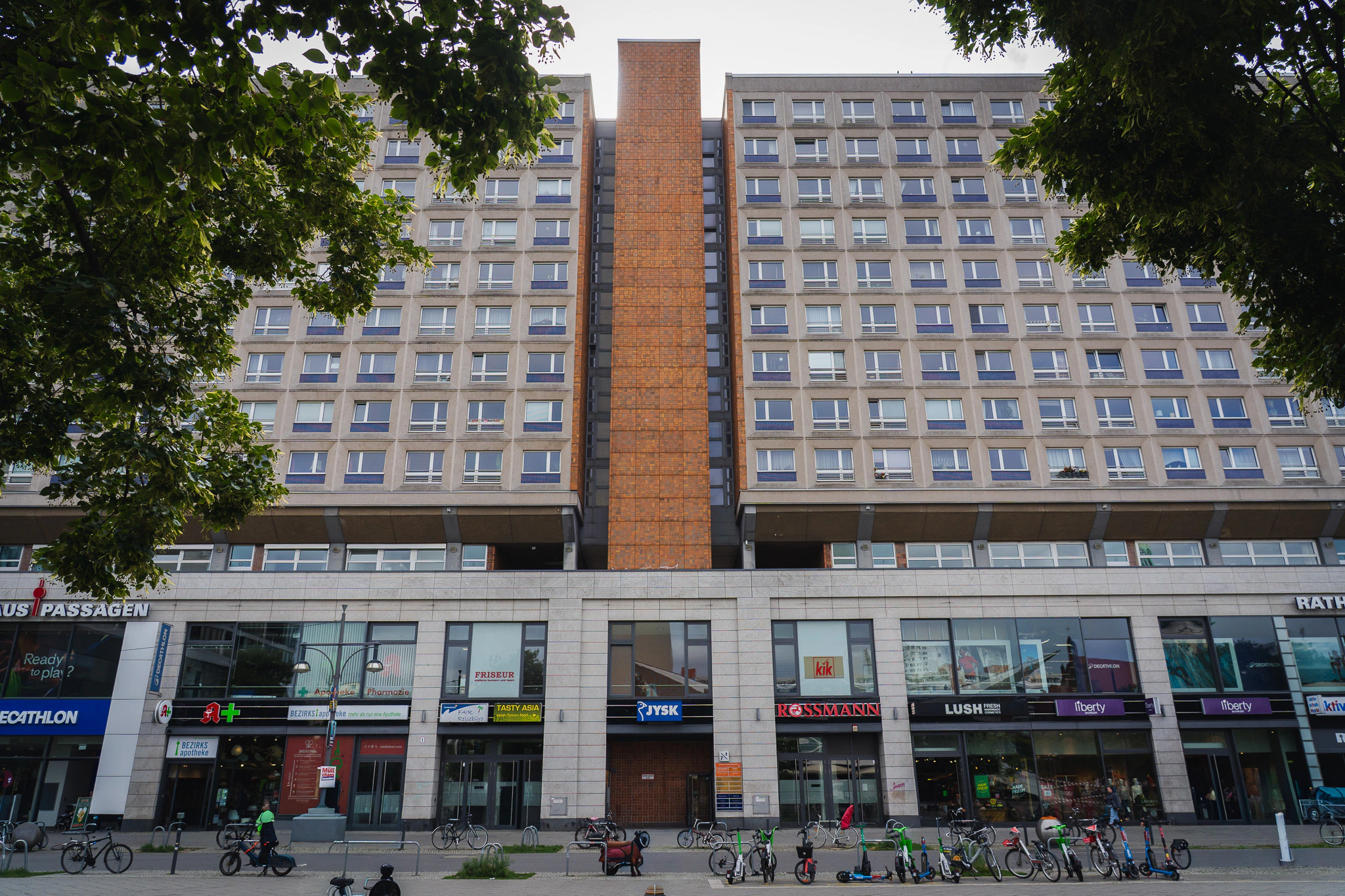
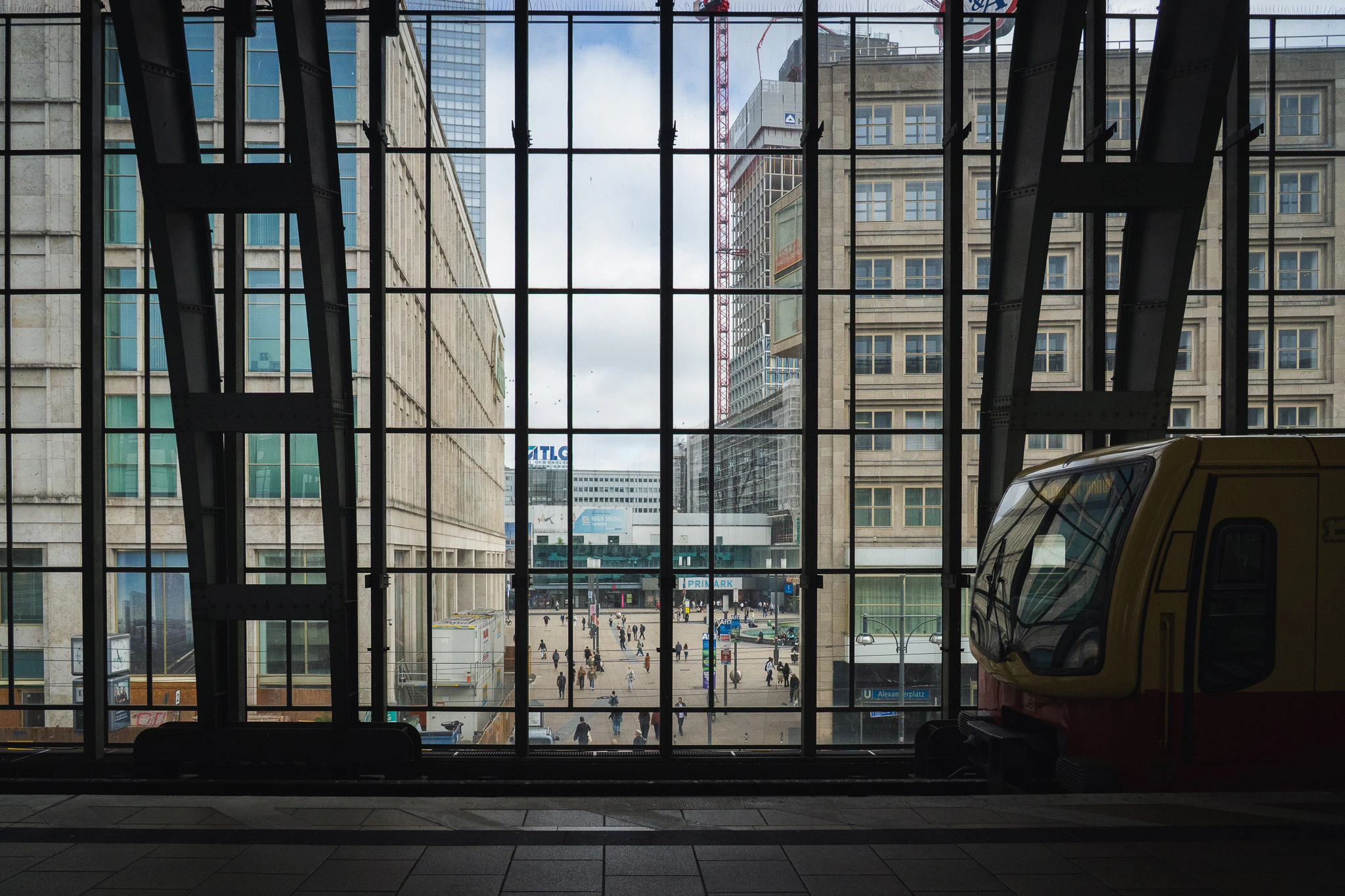
The trip ended where East Berlin's center still performs its role: Alexanderplatz. S-Bahn trains slide under the arched glass hall of the station, and around the square the GDR ensemble is fully intact — the Rathauspassagen with shops below and ten floors of prefab apartments above.